Find an ASL (American Sign Language) Therapist
Therapy in your native language helps ensure emotional nuance and cultural context are part of care. Browse ASL-speaking therapists below to find providers who communicate in American Sign Language and offer online and in-person options.



Kathryn Sims
LPC
South Dakota - 8 yrs exp
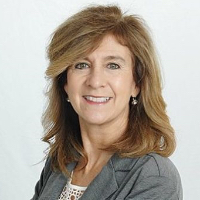


Maggie Zagorova
LMHC
Florida - 14 yrs exp
















Why therapy in ASL matters
Finding a therapist who signs can change the shape of your experience in counseling. Language is more than words - it carries cultural references, rhythm, and the way you learned to label feelings and experiences. When you work with a clinician who shares your language, you are less likely to spend sessions translating emotions into a second language. That allows for deeper exploration of what matters to you and for more nuanced emotional expression. For many Deaf and hard-of-hearing people, being able to engage in American Sign Language removes an extra layer of effort and fatigue that comes with switching languages or relying on interpretation.
How language barriers can affect therapy outcomes
Language barriers do more than slow conversation. They can shape how you describe pain, sorrow, joy, or shame. When you must explain feelings through a language you did not first learn, subtle meanings and cultural idioms can be lost. That influences diagnosis, treatment planning, and the pace at which trust develops. You may find yourself withholding parts of your story because it feels easier than searching for the right words. Over time, these small reductions in emotional depth can limit progress. Working with a therapist who signs reduces this friction and helps you preserve the full texture of your lived experience.
What to expect from online therapy with an ASL-speaking therapist
Online therapy with a clinician who uses ASL can be a very direct, expressive experience. Sessions typically take place over video so both facial expressions and signing can be seen clearly. You should expect your therapist to set up the initial session with practical details - how long sessions last, what platform will be used for video, and how to handle scheduling or cancellations. A first appointment often focuses on building rapport and getting a sense of your goals. Your therapist will ask about your communication preferences, cultural background, and any previous experiences with therapy. Because visual cues matter, lighting and camera framing are practical considerations you may discuss so that signing and facial expression are visible during sessions.
Session format and technical needs
Most ASL-friendly therapists will walk you through a simple technology check before your first meeting. You will want a quiet, comfortable place where you can see the screen and be seen clearly. If you use captions or prefer a combination of signing and text, mention that up front so the therapist can accommodate the session to your preferences. Expect the same core elements of therapy as in-person work - goal setting, regular check-ins, and review of progress - but delivered in a way that suits visual communication.
Common concerns ASL speakers face when seeking therapy
When you look for a therapist who signs, you may encounter practical and cultural barriers. There are fewer clinicians who are fluent in ASL, and geographic limitations can make it hard to find someone nearby. Cultural stigma about mental health within Deaf communities can make reaching out feel risky. You might worry that a hearing clinician who signs does not fully understand Deaf cultural values, or that a clinician who is Deaf may not have experience with the specific issues you want to address. You may also be concerned about whether your insurance will cover online sessions or whether therapists understand accessibility needs beyond language.
Navigating trust and cultural competence
Trust develops when your therapist demonstrates cultural awareness as well as language fluency. You are within your rights to ask about a therapist's experience with Deaf culture, training in working with Deaf clients, and how they approach communication differences in therapy. Good clinicians will welcome these questions and explain how they tailor their approach. If you still feel unsure after a few sessions, it is reasonable to look for a different fit - therapy is a relationship, and comfort matters.
Benefits of online therapy for ASL-speaking clients
Online therapy expands your access to clinicians who sign, especially if there are few local options. You can connect with a therapist who matches your communication style and cultural needs without relocating or traveling long distances. Online sessions also offer scheduling flexibility, which can be helpful if you balance work, school, or caretaking responsibilities. Another advantage is the ability to try different therapists more easily - you can meet with someone for a consultation and then change providers if the fit is not right. Online formats can also make it easier to involve family members or interpreters when appropriate, while still keeping the direct ASL interaction central to the work.
Tips for choosing the right ASL-speaking therapist
Start by clarifying what you want from therapy - immediate symptom relief, long-term personal growth, support around identity, or help with relationships. Use those priorities to guide your search. When you review profiles, look for clear information about licensing, areas of focus, and experience working with Deaf clients. Reach out with a short message or consultation request to get a sense of the therapist's communication style and availability. During the first session, pay attention to how the therapist attends to cultural nuance and how comfortable you feel expressing emotion in ASL. Ask practical questions about session length, fees, cancellation policies, and whether they offer sliding scale rates if that is important to you. If you use insurance, ask how billing and coverage are handled for online sessions.
Practical considerations when booking
Accessibility is about more than language. Consider whether the therapist's online platform makes it easy to join a video call and whether they can accommodate any additional supports you might need. If you prefer visual aids or written summaries after sessions, mention that upfront. If group therapy or family sessions are of interest, ask whether those options are available in ASL. Trust your impressions - feeling seen and understood in the first few meetings is a good indicator that the therapist can help you reach your goals.
Moving forward with therapy in ASL
Deciding to start therapy is a meaningful step. When you choose a therapist who signs, you are giving yourself a chance to speak and be heard in the language that shaped your emotional life. That can make therapy more efficient and more personally relevant. Expect the relationship to evolve - early sessions are often about building trust and clarifying goals, while ongoing work focuses on practical skills, emotional processing, or changing patterns that interfere with daily life. Keep communicating openly about what helps and what does not. A therapist who signs and respects Deaf cultural perspectives can be a strong partner as you work toward growth and well-being.
If you are ready, start by browsing profiles of ASL-speaking therapists and scheduling a brief consultation. That first step can open up a path to care that honors both your language and your lived experience.