Find a Bengali Speaking Therapist
Receiving therapy in your native language can make it easier to describe experiences, feelings, and cultural context. Browse Bengali-speaking therapists below to find professionals who offer culturally aware care and language-matched sessions.






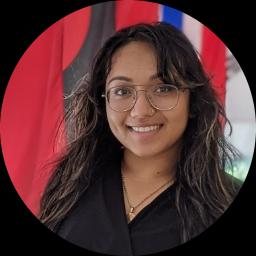
Tamanna Tanzin
BACP
United Kingdom - 3 yrs exp







Why therapy in Bengali matters
Choosing to work with a therapist who speaks Bengali can change the shape of the therapeutic conversation. Language carries not just vocabulary but emotion, idiom, and cultural nuance. When you can use familiar expressions and terms of endearment, you are more likely to capture subtle feelings and layered meanings. This can help you explore sensitive topics with greater clarity and feel more deeply understood by the person across from you.
For many people, certain concepts - whether familial roles, religious practices, or social expectations - are best expressed in the language in which they were learned. Speaking Bengali in therapy allows metaphors, proverbs, and culturally specific references to remain intact. That continuity can be especially important when you are working through grief, intergenerational conflicts, or identity questions that are rooted in shared cultural history.
How language barriers can affect therapy outcomes
A language mismatch between client and therapist can create gaps that go beyond literal translation. When you are forced to translate feelings into a second language, some emotional intensity can be lost and some nuance can be flattened. This may make you less likely to share intimate experiences or to fully express anger, shame, or longing. Misunderstandings can also arise when idioms or family roles are interpreted without cultural context.
Language barriers may also influence the therapeutic alliance - the sense of trust and cooperation that develops between you and your therapist. If explanations, metaphors, or emotional cues are frequently interrupted by clarifying questions, sessions can feel stilted. Over time this can slow progress or reduce the depth of exploration. Working in Bengali can remove those obstacles so that the therapeutic work spends more time on meaning and healing rather than on translation.
What to expect from online therapy with a Bengali-speaking therapist
Initial steps and intake
When you begin online therapy with a Bengali-speaking therapist, expect an intake process similar to any mental health service but with an emphasis on language and cultural fit. The first session often focuses on building rapport, understanding your reasons for seeking therapy, and clarifying goals. You can discuss whether you prefer Standard Bengali or a regional dialect, and whether family history, migration experiences, or religious practices are important topics for therapy.
Session flow and methods
Online therapy typically follows a predictable rhythm - check-in, exploration, and planning - but the tools and techniques will depend on the therapist's orientation. Some therapists use talk-based interventions that emphasize understanding patterns and emotions, while others incorporate practical exercises or skills training. In an online format, counselors may use screen-sharing for worksheets, guided breathing exercises over video, or messaging between sessions for support. You should expect clear discussion about technical logistics, personal nature of sessions protections, and how to handle emergencies or cancellations.
Technology and accessibility
Online therapy offers flexibility in how you connect. Video calls are the closest simulation of in-person work and allow for visual cues such as facial expression and body language. Phone sessions may suit people who have limited bandwidth or prefer auditory privacy. Messaging or chat options might be available for shorter check-ins. Before the first session, confirm that your chosen therapist uses an accessible platform, that session length and fees are clear, and that you feel comfortable with the video or phone setup.
Common concerns Bengali speakers face when seeking therapy
Cultural stigma around mental health remains a common challenge in many Bengali-speaking communities. You might worry about how family members will react, or whether admitting to emotional struggle will be seen as weakness. These concerns can delay seeking help and make it harder to be open once therapy begins. Finding a therapist who understands the cultural context of shame, honor, or family reputation can make it easier to navigate these realities in treatment planning.
Another frequent concern is a lack of accessible providers who speak Bengali. Depending on where you live, finding a language-matched therapist locally can be difficult. Cultural differences in communication styles - including indirectness, deference to elders, or expectations around gender roles - can make it important to find a therapist who respects and understands those norms rather than pathologizing them.
Practical concerns also arise around cost, appointment times that fit family responsibilities, and trust. You may prefer a therapist from a similar regional background, or one who shares religious or migration experiences. Being able to ask about these preferences during an initial consultation can help you determine whether a therapist is a good fit.
Benefits of online therapy for Bengali-speaking clients
Online therapy substantially widens the pool of Bengali-speaking therapists available to you. Geography is no longer a limiting factor - you can connect with professionals who live in different cities or countries but who speak your language and understand your cultural references. This expanded access can lead to better matches and more specialized care for issues tied to migration, diaspora identity, or intergenerational dynamics.
Flexibility is another major benefit. Online sessions can be scheduled during evenings or weekends, which helps if you balance work, childcare, or community obligations. The option to attend from your home or another comfortable environment can reduce travel time and make consistent attendance more feasible. For people who feel anxious about in-person visits, online therapy can offer a gentler way to begin therapeutic work.
Tips for choosing the right Bengali-speaking therapist
Consider cultural competence and lived experience
When selecting a therapist, ask about their experience working with Bengali-speaking clients and whether they are familiar with specific cultural dynamics you find relevant. Cultural competence is not only about language fluency - it involves understanding family structures, migration narratives, religious influences, and typical community concerns. You may feel more at ease with someone who has demonstrable experience in these areas.
Clarify therapy approach and goals
Different therapists use different approaches, from short-term symptom-focused work to longer-term exploration of identity and relationships. Think about what you want from therapy - symptom relief, improved communication, or deeper self-understanding - and ask potential therapists how they would structure treatment to meet those goals. A clear discussion about methods helps set expectations and allows you to make an informed choice.
Assess practical fit
Practicalities matter. Confirm session length, fees, cancellation policies, and whether the therapist accepts insurance or offers sliding scale options. Discuss preferred modes of communication outside sessions, such as text-based messaging or email, and whether the therapist is available for urgent concerns. Make sure the appointment times and technical requirements fit your schedule and comfort level.
Trust your instincts about rapport
Therapeutic progress depends heavily on rapport. After an initial consultation, notice how comfortable you felt speaking in Bengali, whether the therapist reflected cultural understanding, and whether their pace and warmth suited you. It is okay to try a few therapists before settling on the one who feels like the best match. A good fit often involves both professional skill and a sense of personal resonance.
Moving forward
Seeking therapy in Bengali can be a significant step toward clearer expression and deeper healing. Whether you are addressing anxiety, family conflict, life transitions, or questions of identity, working with a therapist who speaks your language can help you explore layers of meaning that might otherwise be difficult to access. Take your time to review profiles, ask questions, and prioritize cultural fit as well as clinical expertise. Finding the right therapist is a process, and when the match is right, it can open a path to meaningful change.