Find a Haitian Creole Speaking Therapist
Accessing therapy in your native language can make a meaningful difference in understanding and healing. Browse the Haitian Creole-speaking therapists below to find a therapist who matches your needs and cultural background.
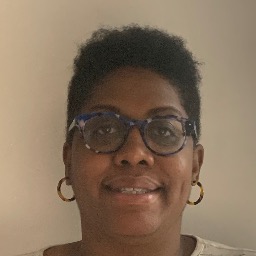


Kettia Duperval
LCSW
Florida - 13 yrs exp















Why therapy in Haitian Creole matters
When therapy happens in Haitian Creole, the conversation can feel more natural and the emotional meaning of words is preserved. Language carries more than literal definitions - it carries cultural references, idioms, tones, and the history of family and community life. Speaking with a clinician who understands those layers helps ensure that the subtle expressions of pain, joy, anger, and hope are heard and reflected back in a way that feels accurate. This can create a stronger connection between you and the therapist and make progress in therapy more palpable.
How language supports trust and understanding
You may find it easier to describe childhood memories, family dynamics, or spiritual beliefs in Haitian Creole. When you do not need to search for words or translate feelings in your head, sessions often feel more immediate and honest. That authenticity can reduce misunderstandings and help the therapist tailor interventions to your cultural context. For many people, being understood in their first language is the foundation of feeling respected and seen in therapy.
How language barriers can affect therapy outcomes
Language barriers can change the shape of a therapeutic relationship and the outcomes that follow. If you are working through complex emotions or trauma in a language that does not fully capture your inner life, some experiences may be softened, altered, or missed entirely. Misinterpretations can lead to treatment plans that feel generic or irrelevant. Translation by a third party or using an interpreter can help in a pinch, but those arrangements may alter privacy dynamics and interrupt the natural flow of a session. For these reasons, finding a therapist who speaks Haitian Creole often supports clearer communication and more meaningful therapeutic work.
Emotional nuance and cultural meaning
Some phrases, religious expressions, or culturally specific coping strategies do not translate well. When you speak Haitian Creole with a therapist who shares or understands the culture, those nuances are more likely to be recognized and integrated into treatment. That includes how you talk about family roles, migration experiences, community pressures, and expressions of resilience. A therapist who understands the cultural frame can respond in ways that feel relevant and respectful.
What to expect from online therapy with a Haitian Creole-speaking therapist
Online therapy can look much like in-person care, with sessions organized around regular appointments, set goals, and collaborative work between you and the clinician. In an online session conducted in Haitian Creole, you can expect to speak directly with the therapist using video, audio, or messaging formats depending on what they offer. Therapy typically begins with an intake meeting to discuss your concerns, your history, and what you hope to achieve. The therapist will usually explain their approach, whether it is more solution-focused, insight-oriented, or skills-based, and together you can choose an approach that fits your preferences.
Practical considerations for online sessions
Before starting online therapy, think about where you will sit for sessions so you can speak freely without interruption. Test your camera and microphone, and choose a reliable internet connection when possible. If you prefer seeing facial expressions and nonverbal cues, video can be helpful. If you need more flexibility, messaging or phone sessions can provide ongoing support between live meetings. Discuss expectations around scheduling, fees, cancellation policies, and emergency plans with the therapist at the outset so the working relationship is clear.
Common concerns Haitian Creole speakers face when seeking therapy
Several barriers often arise for Haitian Creole speakers when seeking mental health support. Cultural stigma about mental health can make asking for help feel risky, especially in communities where resilience is tied to faith or family endurance. Language access is another hurdle - there may be few clinicians in a given area who speak Haitian Creole, or wait times can be long. Immigration status, financial limits, and uncertainty about how therapy fits with cultural or religious practices also influence decisions to seek care. Recognizing these concerns is the first step toward finding an approach that honors your values and needs.
Addressing stigma and cultural expectations
You may worry about being judged by community members or about seeking a form of help that feels unfamiliar. It can help to look for therapists who explicitly state that they are experienced working with Haitian or Caribbean communities, who respect spiritual beliefs, and who include family and community perspectives when appropriate. Many therapists integrate cultural strengths into care, such as emphasizing family bonds, community support, and faith-based coping when those resources are important to you.
Benefits of online therapy for Haitian Creole-speaking clients
Online therapy expands access in ways that are particularly meaningful if local options are limited. You can search for clinicians beyond your immediate geographic area and find clinicians whose language skills and cultural understanding match your needs. That expanded pool increases the likelihood of a good match, whether you prefer someone with a background in trauma work, grief counseling, parenting support, or career-related stress. Online therapy also offers flexibility - appointments can be scheduled around work, family responsibilities, or differing time zones, making consistent care easier to maintain.
Flexibility, continuity, and comfort
Online sessions allow you to attend from a place that feels comfortable, whether that is at home, during a lunch break, or while traveling. This convenience can help you keep appointments and preserve continuity in treatment, which supports better progress over time. Additionally, the ability to choose from a larger number of clinicians increases the chance of finding someone whose communication style and therapeutic orientation align with your expectations.
Tips for choosing the right Haitian Creole-speaking therapist
Begin by clarifying what matters most to you. Consider whether you prefer a therapist with initials after their name that indicate clinical training, whether you want someone experienced with specific issues like trauma or family conflict, and whether a particular therapeutic approach appeals to you. Read therapist profiles to learn about their language skills, cultural experience, and areas of focus. Look for notes about working with Haitian communities or Caribbean cultures, and pay attention to how therapists describe their approach to family, spirituality, and migration-related stress.
Setting up an initial conversation
Reach out to schedule a brief consultation when possible. Many therapists offer short introductory calls that let you sample a conversation, ask about treatment style, and discuss logistics. Use this first contact to explain what you hope to address in therapy and to learn how the therapist would approach those goals. Notice how easily you can express important memories or feelings in Haitian Creole and whether the therapist reflects your meaning in a way that feels accurate. Trust your sense of fit - the relationship will influence the effectiveness of the work more than any single technique.
Moving forward with intent
Seeking therapy in Haitian Creole is a practical step toward care that aligns with your language and cultural experience. With online options, you have more ability to find someone who understands both the language and the cultural context of your life. Take the time to explore profiles, ask questions about approach and experience, and choose a therapist who helps you feel heard and respected. Over time, consistent sessions can help you build coping skills, clarify priorities, and navigate life transitions with support that communicates in the language that matters most to you.