Find a Japanese Speaking Therapist
Therapy in your native language can help you express emotions more naturally and build a stronger therapeutic bond. Below you can browse Japanese-speaking therapists and review professional profiles to find a good match.
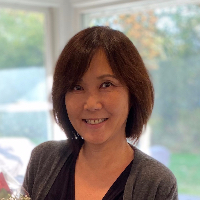

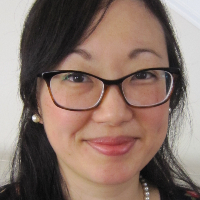
Rika Lopez
LMFT
California - 15 yrs exp














Why therapy in Japanese matters
When you meet with a therapist in Japanese, you get more than translation of words. Language shapes how you think, feel, and tell your story. Nuances like honorifics, idioms, and culturally loaded terms carry meaning that is often lost when a session is conducted in a different language. Speaking in Japanese allows you to use the vocabulary that feels most accurate for your experience, whether that means describing subtle mood shifts, family dynamics, or experiences from childhood.
Therapy is built on trust and understanding. When your therapist shares your language, it becomes easier to clarify misunderstandings, explore emotion-laden memories, and attend to cultural expectations that affect your life. You may find it simpler to communicate metaphors, jokes, or culturally specific expressions that would otherwise be flattened by translation. For many people, being heard in their first language reduces friction and helps the therapeutic process move more efficiently.
How language barriers can affect therapy outcomes
Language barriers can create gaps in meaning that change the course of therapy. If you and your therapist do not share the same native language, important emotional content might be paraphrased or simplified. The therapist may miss subtle cues in your phrasing or misinterpret the intensity behind an expression. This can lead to repeated clarification, slower progress, or a sense that something essential is not being addressed.
Beyond literal translation, language influences how you organize thoughts and recall memories. Certain words in Japanese may carry cultural or familial connotations that are difficult to convey in another language. You might find yourself avoiding certain topics because they feel awkward to explain, or you might notice that your emotional vocabulary is narrower in a non-native language. All of these factors can affect rapport, treatment planning, and the depth of introspection that develops in sessions.
What to expect from online therapy with a Japanese-speaking therapist
Online sessions with a Japanese-speaking therapist typically follow the same basic structure as in-person therapy: an initial intake, goal setting, and ongoing sessions focused on the issues you bring. The first few meetings are often used to build rapport, gather background information, and identify what you hope to work on. You can expect the therapist to ask about your history, current stressors, and what a successful outcome would look like for you.
In an online format, practical elements such as connection quality, lighting, and the choice of device will influence how comfortable you feel. You will have the chance to decide whether video, phone, or messaging fits your needs. Many people choose video to preserve nonverbal cues, while others prefer phone sessions for convenience or when they have limited bandwidth. Your therapist can guide you through preferences and help create a setting that supports open conversation and emotional safety.
Common concerns Japanese speakers face when seeking therapy
Cultural expectations and social stigma are frequent concerns for people from Japanese backgrounds. You may worry about how therapy will be perceived by family or community, or whether seeking help signals weakness. These worries can make it hard to reach out at all. It can help to remember that many people pursue therapy to develop skills and coping strategies, and that a culturally informed therapist will understand these pressures and discuss them with sensitivity.
Another concern is finding a therapist who not only speaks Japanese but also understands relevant cultural frames - for example, attitudes toward interdependence, respect for elders, or the role of family duty. Language fluency alone does not guarantee cultural competence. You may also face logistical hurdles, such as locating providers who serve your time zone or accept your form of payment. Online options broaden the pool of therapists, which increases your chances of finding someone who aligns with both your language needs and cultural expectations.
Benefits of online therapy for Japanese-speaking clients
Online therapy expands access in several important ways. If you live in an area with few Japanese-speaking clinicians, virtual sessions let you connect with professionals who might otherwise be geographically out of reach. That means greater choice in therapeutic approach, specialty areas, and dialect familiarity. You can seek someone who understands your regional expressions or background without relocating.
Flexibility is another key advantage. Online therapy often offers more appointment times outside standard office hours, which can be helpful if you balance work and family obligations. It can also reduce travel time and the stress of commuting, allowing you to join sessions from a comfortable environment at home or another convenient location. For many, the convenience of online sessions makes it easier to maintain consistency, and regular attendance is a strong predictor of positive outcomes in therapy.
Tips for choosing the right Japanese-speaking therapist
Start by reading therapist profiles carefully. Look for information about training, licenses, areas of specialization, and therapeutic approaches. Pay attention to whether a therapist mentions cultural competence or experience working with Japanese-speaking clients. Profiles that include an introductory video or a welcome message can help you get a sense of communication style before you schedule a session.
When you contact a therapist, ask specific questions about language use - such as whether they are a native speaker, which dialects they are familiar with, and how they handle formal and informal speech in sessions. It is reasonable to inquire about their experience with the issues you want to address, whether it be anxiety, relationship challenges, life transitions, or adjustment to a new country. You can also ask about logistics - session length, fees, cancellation policies, and whether they accept your insurance or offer sliding scale rates. Clear expectations about these practical matters will make it easier for you to commit to the process.
Consider scheduling an initial consultation to evaluate fit. A short intake or phone call gives you an opportunity to experience the therapist's communication style, ask about their approach, and see whether the rapport feels comfortable. Trust and ease of conversation are important, and it is okay to try more than one therapist before making a decision. Setting small goals for the first few sessions - such as clarifying what you hope to achieve or agreeing on a meeting frequency - can help you assess whether the therapist is a good fit.
Moving forward with confidence
Seeking therapy in Japanese can be a meaningful step toward clearer self-expression and culturally attuned care. You do not need to navigate the process alone - browsing therapist profiles and booking a consultation are simple ways to explore options. As you evaluate therapists, keep in mind both language fluency and cultural understanding, practical logistics, and whether the therapist's style resonates with you. With the right match, therapy can become a supportive space where you make steady progress at your own pace.
When you are ready, use the listings above to compare profiles and reach out to a clinician who feels like a good fit. Taking that first step is often the hardest part, and finding a therapist who speaks Japanese can make the path forward more understandable and approachable.