Find a Persian Speaking Therapist
Accessing therapy in your native language can deepen understanding and make emotional expression easier. Browse Persian-speaking therapists below to find counselors who offer online and local options.
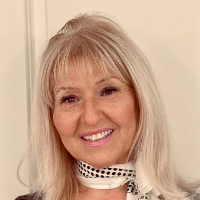
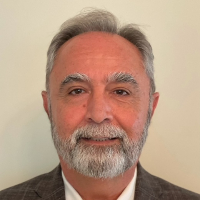
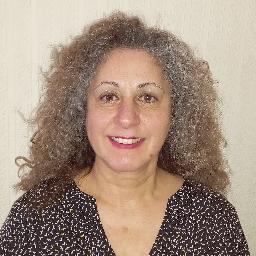


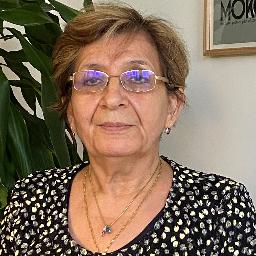






Zohreh Safarnezhadi
ACA
Australia - 5 yrs exp

Naimeh "Nia" Atarha
ACA
Australia - 7 yrs exp


Why Therapy in Persian Can Make a Difference
When you speak with a therapist in Persian, the conversation can move beyond literal translation and reach the emotional nuances that shape how you feel. Language carries cultural context, idioms, and ways of describing experience that are rarely captured by translation alone. In a therapeutic conversation conducted in Persian, metaphors, tone, and culturally specific references remain intact, which can help you describe complex emotions, family dynamics, and life experiences more precisely. That clarity often leads to a stronger therapeutic bond and a clearer sense of progress.
Therapy in your first language also reduces the cognitive load of switching between languages. When you do not need to constantly translate words or edit your speech to fit another language, it is easier to access spontaneous thoughts and feelings. This natural flow can be especially important when you are processing grief, trauma, or relational conflict where exact wording matters.
How Language Barriers Affect Therapy Outcomes
Language barriers can change both what is said and what is understood. Even highly fluent speakers can struggle to express subtle emotions, cultural references, or humor in a second language. Misunderstandings may lead to slower progress or to conversations that feel shallow or frustrating. You might find yourself avoiding certain topics because they feel awkward to explain in a non-native language, or you may select words that do not fully match your emotional tone. That gap can make it harder for the therapist to understand your experience and to respond in ways that feel meaningful.
Beyond words, nonverbal cues and cultural norms around communication matter. In many Persian-speaking communities, family roles, honor, and intergenerational expectations shape how people talk about mental health. If a therapist is not aware of these cultural touchpoints, they may misinterpret behaviors or give recommendations that do not fit your lived reality. Working with a therapist who understands both the language and cultural context helps ensure the therapy aligns with your values and goals.
What to Expect from Online Therapy in Persian
Online therapy with a Persian-speaking therapist often mirrors in-person sessions in terms of structure, but it can feel more flexible and accessible. You can expect scheduled sessions that follow the therapeutic model you and the clinician agree on, whether that is short-term skills work, long-term exploration, or a combination. Initial sessions typically focus on building rapport, discussing goals, and clarifying how therapy will proceed. In an online setting, some therapists will also outline practical matters like communication between sessions and how to handle emergencies.
Because sessions are conducted in Persian, you will be able to use culturally specific examples, proverbs, and idioms without losing meaning. Therapists who speak Persian can reflect back subtleties in your phrasing and help you deepen insight in ways that are sometimes lost in translation. You may also find that online therapy allows you to choose a therapist who matches your regional dialect or background, whether your family uses Farsi, Dari, or another Persian variety.
Technical and Practical Considerations
Online therapy requires some practical preparation. You will want a quiet, comfortable environment where you can speak freely. Test your audio and camera settings before the first session and ask about the platform or method the therapist uses to communicate. Confirm how the therapist handles scheduling, cancellations, and payment. If you are using insurance or reimbursement, verify that the therapist’s licensure and billing procedures meet those requirements. Clear upfront information helps the therapeutic relationship start smoothly.
Common Concerns Persian Speakers Face When Seeking Therapy
Cultural stigma is one of the most common barriers. In many Persian-speaking communities, seeking therapy can be viewed as a sign of weakness or something to keep within the family. You may worry about how friends or family will react, or about maintaining reputation and respect. These concerns can make the threshold for reaching out feel high. A therapist who speaks Persian can help you navigate these cultural pressures, offering strategies for communicating with family and for preserving dignity while getting support.
Another concern is finding a therapist who truly understands shared cultural experiences such as immigration stress, identity negotiation between generations, and the intersecting role of religion and cultural norms. You may also worry about finding a therapist who matches your gender preferences, religious background, or approach to healing. Online therapy expands possibilities because it allows you to search beyond your immediate geographic area for a clinician who fits your needs.
Benefits of Online Therapy for Persian-Speaking Clients
Online therapy expands access in ways that matter for Persian speakers. You can connect with therapists who share your language and cultural background even if they are not in your city. That greater choice increases the likelihood of finding someone who matches your preferences and therapeutic goals. Online sessions also reduce travel time and scheduling barriers, which can make it easier to maintain consistency - a key factor in making progress.
For those who live in areas with few Persian-speaking providers, online therapy offers a practical solution. You can select a therapist who knows the subtleties of your cultural background, the particular historical events that shaped your family, and the social expectations you navigate. This cultural attunement often leads to more meaningful conversations and more relevant strategies for everyday life.
Tips for Choosing the Right Persian-Speaking Therapist
Start by clarifying what you hope to get from therapy - whether you want short-term coping skills, help with relationship issues, support through a major life change, or long-term personal growth. Once you know your goals, look for therapists who describe experience with issues like yours and who indicate familiarity with Persian-speaking communities. Read therapist profiles to learn about their training, therapeutic approach, and cultural background. It is reasonable to reach out and ask specific questions about their experience with Persian-speaking clients and about their familiarity with cultural themes that matter to you.
When you contact a therapist, pay attention to how they respond. A clear, respectful reply that addresses your questions is a good sign of professional fit. During an initial session, notice whether you feel heard and whether the therapist reflects the full meaning of what you say in Persian. Trust your instincts about interpersonal fit - a strong working relationship is one of the most important predictors of helpful therapy.
If financial considerations matter, ask about sliding scale options, session length, and payment methods. Also inquire about language fluency and dialect, especially if regional terms or colloquialisms matter to you. Some therapists may list specialties in working with immigrants, trauma, family systems, or life transitions. Choosing a clinician whose experience aligns with your concerns gives you a higher chance of finding useful strategies and insights.
Moving Forward
Deciding to reach out to a Persian-speaking therapist is a practical step toward clearer communication and more culturally attuned support. As you browse profiles and schedule initial consultations, keep in mind that the right fit may take a couple of tries, and that making your needs known is part of the process. With online access to Persian-speaking therapists, you can find someone who understands both your words and the deeper context behind them, helping you move toward the changes you want to make in your life.