Find a Punjabi Speaking Therapist
Therapy in your native language can help you express thoughts and feelings more fully and connect with a clinician who understands cultural context. Browse the Punjabi-speaking therapists below to find counselors offering in-person or online appointments that match your needs.
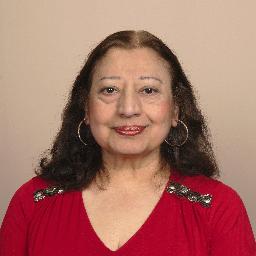
Dr. Anila Malik
LPC
Georgia - 36 yrs exp

Faiza Malik
BACP
United Kingdom - 27 yrs exp











Why therapy in Punjabi matters
When you speak with a therapist in Punjabi you gain more than translation - you gain access to the full range of expression that comes from your first language. Words, metaphors, and humor carry cultural meaning that does not always transfer neatly into English. Speaking in Punjabi lets you describe complex emotions, family patterns, or childhood memories without losing nuance. It also reduces the friction of thinking in a second language while trying to be introspective and vulnerable.
For many people the language you use shapes how you name experiences such as grief, shame, pride, or spiritual conflict. A Punjabi-speaking clinician can pick up on idioms and culturally specific references that signal underlying issues. That shared linguistic frame often makes it easier to build rapport and trust so you can work on goals more efficiently. You do not have to spend sessions repeatedly explaining cultural background when your therapist already understands common themes in Punjabi households and communities.
Language and emotional expression
Language affects how you access memories and feelings. You may find it easier to cry, laugh, or describe sensitive experiences in Punjabi because those words were learned in family settings or religious gatherings. Therapists who speak Punjabi can mirror those expressions and offer interventions that feel authentic to you. This can be especially helpful when addressing intergenerational conflicts, migration-related stress, or identity questions that are tied to cultural norms and expectations.
Cultural understanding and trust
Beyond language, cultural competence matters. Punjabi-speaking therapists often bring awareness of family roles, community pressures, religious practices, and the stigma that can surround mental health in many Punjabi communities. When your therapist understands these dynamics you can explore personal concerns without feeling judged or misunderstood. That kind of cultural attunement allows you to create strategies that fit your life - not ones that require you to abandon important parts of your identity.
How language barriers can affect therapy outcomes
Language barriers can limit what you are able to communicate and how a therapist interprets your experience. If you or your clinician are working in a language that is not your strongest, sessions can become slower and less precise. Important details may be lost, metaphors may be mistranslated, and emotional subtleties might not come through. This can lead to misaligned treatment plans or a sense that therapy is not helping.
Sometimes people choose a bilingual therapist who is more comfortable in English than in Punjabi. While a bilingual clinician can still provide valuable support, it helps to notice whether you feel fully heard. If you find yourself simplifying your story or avoiding topics because of language limits you may benefit from seeing someone who consistently uses Punjabi in sessions.
How misunderstandings happen
Misunderstandings can arise from differences in regional dialects, idioms, or social norms. Punjabi has regional variations and religious overlays that shape how certain phrases are used in families from different areas. A therapist who speaks Punjabi but is unfamiliar with your specific background may ask clarifying questions. That is normal and appropriate, but you should feel comfortable explaining when a phrase has special meaning for you.
When nuance matters
Nuance matters in therapy when you are exploring trauma, family secrets, or spiritual struggles. Small differences in wording can change the meaning of a memory or belief. Having a therapist who can reflect those subtleties in the same language helps you and your clinician work with more precision and depth.
What to expect from online therapy with a Punjabi-speaking therapist
Online therapy in Punjabi offers many of the same elements as in-person work - a structured first session, collaborative goal setting, and ongoing check-ins. In your initial appointment you can expect to discuss what brought you to therapy, your background, current stressors, and what you hope to change. This is also a good time to talk about communication preferences - whether you prefer Punjabi, English, or a mix during sessions.
Therapists who offer online sessions will describe how they run appointments, including whether they use video, phone, or messaging. Video sessions are common because visual cues help with emotional attunement, but some people prefer phone calls for comfort or convenience. You should also discuss scheduling, fees, and any paperwork required before your first appointment. If you need accommodations such as flexible hours for shift work or childcare reasons, mention that early so your therapist can plan with you.
Technology and logistics
To get the most out of online therapy check your internet connection and find a spot where you can speak without interruptions. Many people choose a quiet room at home, a parked car, or another location that offers privacy and minimal noise. You may also want to use headphones to improve audio clarity. If you are meeting across time zones with a therapist living elsewhere, confirm appointment times carefully so there are no surprises.
Common concerns Punjabi speakers face when seeking therapy
One of the most frequent concerns is stigma. In many Punjabi families and communities the idea of seeing a therapist can be associated with shame or weakness. You may worry about how relatives will react if they find out, or you may fear losing face within your social circle. Therapists who specialize in working with Punjabi clients are often experienced in navigating these concerns and can help you develop ways to set boundaries while honoring relationships that matter to you.
Another concern is finding a therapist who matches your cultural expectations and gender preferences. Some people prefer a clinician of the same gender for comfort when discussing intimate topics. Others look for a therapist who understands religious practices or who is familiar with the experience of immigration and acculturation. Language alone is important, but cultural and experiential fit also contribute to a therapeutic connection.
Access and affordability
Finding a Punjabi-speaking therapist can feel challenging depending on where you live. Online options expand the pool of available clinicians, which helps with access. If cost is a concern ask about sliding scale fees, community mental health centers, or clinicians who offer lower-cost options for limited-income clients. Many therapists are open to discussing payment plans or referral resources if you ask during the intake conversation.
Benefits of online therapy for Punjabi-speaking clients
Online therapy widens the choice of Punjabi-speaking clinicians beyond your immediate area. This is especially helpful if you live in a region with few providers who speak Punjabi. You can choose a therapist who shares your dialect, cultural background, or clinical focus without relocating. Online sessions also add flexibility for busy schedules, making it easier to attend sessions around work and family commitments.
Another benefit is continuity. If you travel or move for work or family reasons you can often continue seeing the same therapist when sessions are online. That continuity supports deeper progress because you do not have to start over with a new clinician as often. Online therapy can also reduce stress related to commuting, childcare, or time away from responsibilities.
Flexibility and personal fit
Online options let you test a therapist with less logistical overhead. Some people schedule an initial session to see how well they connect before committing to weekly appointments. You can evaluate communication style, cultural fluency, and therapeutic approach during that first meeting and decide whether to continue.
Tips for choosing the right Punjabi-speaking therapist
Start by identifying what matters most to you - language, gender, clinical approach, or experience with specific issues such as family conflict, anxiety, trauma, or migration stress. When you contact a therapist ask clear questions about their experience working with Punjabi clients, their treatment methods, and how they handle practical matters like scheduling and fees. Pay attention to how they respond - a thoughtful, respectful reply often predicts an ability to collaborate well with you.
Trust your instincts about cultural fit. Even when a clinician speaks Punjabi, you may feel more comfortable with someone who shares similar values or life experiences. It is okay to try a few therapists before settling on one. Therapy works best when you feel heard and understood, so prioritizing that connection is reasonable and practical.
Getting started
When you are ready, book an introductory session and treat it as a conversation about fit as much as it is about problem solving. Set a simple goal for the first few sessions so you can evaluate progress. If something does not feel right, you can raise it with your therapist or look for someone else who aligns more closely with your needs. Finding the right Punjabi-speaking therapist may take time, but having support in your native language can be a powerful step toward feeling better and navigating life with more clarity.