Find a Romanian Speaking Therapist
Therapy in your native language can make it easier to express feelings, memories, and cultural experiences. Browse Romanian-speaking therapists below to find a clinician who matches your needs and preferences. Use the profile details to compare specialties and request an appointment.










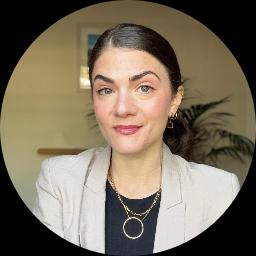
Mihaela Marian
BACP
United Kingdom - 3 yrs exp







Why therapy in Romanian matters
When you work with a therapist who speaks Romanian, the therapeutic conversation can feel more natural and nuanced. Language is more than a vehicle for facts - it carries tone, humor, idiom, cultural reference, and the emotional weight of past experiences. For many people, certain memories and feelings are most available in the language in which they were formed. Speaking Romanian can help you describe those moments with the clarity and emotional fidelity that might be harder in a second language.
Emotional expression and nuance
You may notice that jokes, metaphors, and subtle emotional cues come more easily when you and your therapist share a common linguistic framework. This matters because therapy often depends on small shifts in phrasing and a careful tracking of how you describe yourself. When you can use the exact words that feel right in Romanian, you reduce the friction of translation and preserve the richness of your inner life. That can lead to deeper insight, stronger rapport, and more meaningful progress.
Cultural context and shared understanding
Language and culture are closely linked. A Romanian-speaking therapist is more likely to understand cultural norms, family dynamics, religious influences, migration experiences, and social expectations that shape your worldview. That cultural familiarity can prevent misunderstandings and allow you to explore issues in a context that feels relevant. It also makes it easier to address topics that are culturally sensitive, such as intergenerational expectations, attitudes toward mental health, or the impact of moving between countries.
How language barriers can affect therapy outcomes
If you try to do therapy in a language that is not your strongest, you may find yourself simplifying emotions, avoiding complicated topics, or losing access to memories that feel linguistically tied to your past. Language barriers can slow the pace of sessions, create ambiguity in emotional tone, and increase the risk that your concerns will be misunderstood. You might also spend valuable time explaining cultural references or correcting wording instead of exploring the underlying feelings. For these reasons, choosing a therapist who speaks Romanian can help preserve the integrity of your story and make therapy more efficient and effective for you.
What to expect from online therapy with a Romanian-speaking therapist
Online therapy offers a way to connect with a Romanian-speaking clinician even if there are few local providers who speak the language. You can expect a typical appointment structure with an initial intake conversation, exploration of your concerns, development of goals, and ongoing check-ins to monitor progress. Sessions may take place by video, phone, or messaging depending on what the clinician offers and what fits your needs. Your therapist will set boundaries around scheduling, cancellations, and communication between sessions, and they will explain personal nature of sessions and recordkeeping practices that apply to their work.
During the first few sessions you can expect the therapist to ask about your background, current stressors, strengths, and what you hope to change. This information helps them choose a therapeutic approach and tailor interventions to your circumstances. If you have specific preferences - for example, wanting a therapist who understands Romanian Orthodox cultural norms, family expectations common in Romanian communities, or the experience of migration - it is helpful to mention these early so you can assess fit.
Common concerns Romanian speakers face when seeking therapy
Many Romanian speakers worry about stigma and cultural attitudes toward mental health. You may have grown up in environments where seeking therapy was seen as a last resort or where emotional struggles were minimized. That can make the decision to reach out feel risky. Practical challenges are also common - limited availability of clinicians who speak Romanian locally, long waitlists, and questions about whether therapy in another language will feel authentic.
For those who live in a new country, there may be added complications such as navigating health systems, insurance coverage, or legal and immigration-related stress. You might also be concerned about generational differences, where older family members hold different views about therapy than younger relatives. Bringing these concerns into the first sessions can help your therapist work with you in culturally attuned ways and address barriers to engagement.
Benefits of online therapy for Romanian-speaking clients
Online therapy expands your options. If there are few Romanian-speaking clinicians in your city, virtual appointments can connect you with therapists across regions or in other countries who share your language and cultural background. That wider pool increases the chance of finding a therapist whose training and specialties match what you need, whether that is trauma-informed care, couples counseling, or support with anxiety and depression.
Online sessions can also offer more scheduling flexibility, which may help if you balance work, family, and other responsibilities. For some people, meeting from home - or another comfortable environment - reduces the stress of travel and waiting rooms. This can make it easier to stay consistent with appointments, which is an important part of making progress in therapy.
Tips for choosing the right Romanian-speaking therapist
Start by thinking about what matters most to you. Do you want someone who shares your cultural background or someone who has specific training in a therapeutic approach like cognitive-behavioral work, psychodynamic therapy, or family systems? Are you looking for short-term support focused on coping skills, or longer-term exploration of patterns and relationships? Clarifying your goals will help you compare profiles and ask focused questions during an initial consultation.
When you contact a therapist, it is reasonable to ask about their experience with Romanian-speaking clients and with issues that are important to you. Ask how they handle language preferences if both Romanian and another language come up in a session. You can inquire about session length, fees, and whether they accept your method of payment or insurance. Pay attention to how comfortable you feel during an initial conversation - the rapport you build early on often predicts how well the therapeutic relationship will support change.
Consider whether you prefer a therapist who blends cultural insight with clinical training in particular areas, such as migration-related stress, family conflict, or parenting across cultures. If dialect or regional expressions matter to you, mention that so you can be sure the therapist's language use aligns with your expectations. It is also acceptable to try a few sessions and reassess if the fit does not feel right; finding the right match can take time, and a good therapist will respect your decision to seek a better fit if needed.
Moving forward
Searching for a Romanian-speaking therapist is an important step toward care that honors both your language and your lived experience. Whether you are seeking support for a specific challenge or want a space to explore long-standing patterns, a clinician who understands your language can make the work feel more accessible and meaningful. Use the listings above to review profiles, read about specialties, and request an appointment so you can begin at a pace that feels right for you.
Therapy can be a collaborative process. With a Romanian-speaking therapist you have the opportunity to speak fully and to have your cultural context reflected in the therapeutic work. If you are unsure where to start, consider booking a short initial session to get a sense of style and fit - often that first conversation clarifies what you want to work on and how the therapist can support you.