Find a Hospice and End-of-Life Counseling Therapist in Alabama
This page lists therapists who specialize in hospice and end-of-life counseling across Alabama. Use the listings below to compare clinicians, review areas of expertise, and begin making contact.
Browse profiles in Birmingham, Montgomery, Huntsville and other communities to find a clinician who meets your needs.









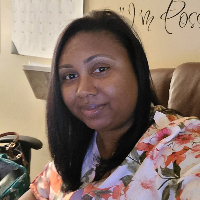
Savannah O'Berry
LPC
Alabama - 6 yrs exp














How hospice and end-of-life counseling works for Alabama residents
When you or a loved one is facing a terminal diagnosis or the transition toward end-of-life care, counseling focuses on emotional, relational and practical concerns that arise during this time. Counselors who specialize in hospice and end-of-life work with patients, caregivers and family members to create a personalized approach that addresses anticipatory grief, decision-making, legacy questions and coping with changes in daily life. In Alabama, these services can be delivered in outpatient offices, in-home visits, hospice facilities or through online sessions, so you have options that fit your location and comfort level.
Most therapists coordinate with hospice teams, medical providers and chaplains to support a team-based plan of care. That collaborative approach helps ensure that emotional and psychosocial needs are addressed alongside symptom management and medical planning. You can expect an initial conversation to focus on immediate concerns and goals, followed by ongoing sessions that adapt as circumstances change.
Finding specialized help for hospice and end-of-life counseling in Alabama
Searching for the right specialist begins with understanding the kind of support you want. Some therapists have training in grief counseling, meaning-focused therapy, meaning reconstruction and trauma-informed care related to illness. Others have specific experience supporting caregivers through burnout, navigating family dynamics around care decisions or working with cultural and spiritual practices that matter to you. When you explore profiles on this site, look for descriptions of relevant experience, licensure and any additional training in end-of-life issues or bereavement.
If you live near a larger city such as Birmingham, Montgomery or Huntsville you may find clinicians who also offer in-person consultations or partnerships with local hospice agencies. In more rural parts of Alabama, telehealth has become a helpful way to connect with specialists who may not be physically nearby. You can also ask local hospices, hospitals and community organizations about recommended clinicians and bereavement programs that complement individual therapy.
What to expect from online therapy for hospice and end-of-life counseling
Online therapy lets you meet with a therapist from home or another comfortable setting, which can be especially valuable when mobility, travel or energy levels are limited. Sessions typically take place over video or phone and follow a structure similar to in-person visits. Early sessions often focus on building rapport, clarifying goals and identifying immediate needs such as symptom-related distress, family communication issues or planning conversations. Over time you and your clinician may work on coping strategies, meaning-making exercises, narrative approaches to legacy and practical planning tasks.
You should expect your therapist to explain how they handle scheduling, emergency situations and coordination with other members of your care team. If you are using online therapy in conjunction with hospice services, many therapists will check in with hospice staff or your medical team with your permission to align support. Before beginning, confirm the clinician's availability for urgent concerns, typical session length and whether they are able to provide home or hospice visits if your needs change.
Common signs someone in Alabama might benefit from hospice and end-of-life counseling
You might consider counseling if worry about the future, persistent sadness or avoidance of important conversations is affecting your quality of life. Caregivers often seek help when exhaustion, anger or isolation begins to interfere with day-to-day functioning. Family members who struggle with decisions about treatment, advance care planning or how to honor a loved one’s wishes may find therapy helpful for navigating those discussions with more clarity and less conflict. Children and adolescents in families facing serious illness can also benefit from age-appropriate support to express fears and understand changes.
Other signs that counseling could help include difficulty sleeping, worsening relationships within the family, intrusive thoughts related to the illness, or a sense of being overwhelmed by practical tasks. If grief feels unrelenting or you are unsure how to balance caregiving responsibilities with your own needs, a therapist can offer coping skills and a steady presence through transitions.
When the setting matters
Where you live in Alabama can shape the resources available to you. Urban centers like Birmingham and Montgomery have larger networks of clinicians and support programs, while communities in more rural counties may rely on regional hospice organizations or telehealth options. If in-person visits are important, ask whether a clinician makes home or hospice facility visits. If travel is difficult, confirm that online sessions are offered and that your clinician has experience delivering meaningful support via telehealth.
Tips for choosing the right hospice and end-of-life therapist in Alabama
Start by clarifying what you need most - emotional processing, family mediation, caregiver support or help with legacy work. Look for clinicians who note specialized training in grief, palliative-care counseling or family systems. Licensure matters because it indicates the legal and educational standards a clinician meets, so confirm credentials and whether they practice under a recognized license in Alabama. Consider cultural competence and whether the therapist demonstrates respect for religious or cultural practices that are important to you and your family.
Practical considerations are also important. Check whether the clinician accepts your insurance, offers sliding scale fees or accepts out-of-pocket payment. Ask about appointment flexibility, availability for brief check-ins during crises and how they handle coordination with medical teams. It is reasonable to request an initial consultation to get a sense of fit - a good working relationship with a therapist can make a significant difference in how supported you feel.
Questions to ask during your first contact
When you reach out, you may want to ask about the therapist’s specific experience with hospice and end-of-life issues, the types of interventions they use and whether they have worked with families in similar situations. Inquire about session length, frequency and how progress is reviewed. If you anticipate needing visits at a hospice facility or coordinated care calls, ask if the clinician has experience with those arrangements and whether they will collaborate with your existing care providers.
Local resources and next steps
Alabama has a network of hospices, hospitals and community agencies that often provide complementary services such as bereavement groups, caregiver education and spiritual support. If you are in Birmingham, Montgomery or Huntsville you may find additional local programs and support groups that can work alongside individual therapy. Reaching out to a therapist listed on this page is a practical next step - many clinicians offer a short introductory call to answer questions and explain their approach. Trust your instincts about what feels like the right fit and remember that seeking help is a purposeful step toward navigating a difficult time with more support and clarity.
Whatever your situation, you can find clinicians who understand the unique emotional landscape of end-of-life transitions and who will work with you to create care that honors your values and needs. Use the listings above to contact therapists, read their profiles and schedule a consultation to discuss how they can help you and your family during this important time.