Find an Infidelity Therapist in Alabama
This page features therapists across Alabama who focus on infidelity and relationship repair. You can explore clinicians who work with couples and individuals in Birmingham, Montgomery, Huntsville and other communities. Browse the listings below to compare approaches, experience and availability.

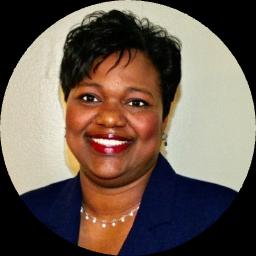





Savannah O'Berry
LPC
Alabama - 6 yrs exp











How infidelity therapy works for Alabama residents
If you are dealing with the aftermath of infidelity in Alabama, therapy provides a structured space to address the emotional, relational and practical consequences. Therapy often begins with an intake assessment where the clinician asks about the timeline of events, the current state of the relationship, and each partner's goals. From there, many therapists develop a treatment plan that may combine individual sessions, couples sessions, and targeted communication exercises. The process is collaborative - you and your partner set priorities with guidance from the therapist, whether your goal is rebuilding trust, understanding triggers, making decisions about the relationship, or managing persistent anxiety or anger.
In Alabama, therapists bring awareness of local cultural norms, family dynamics and community values into their work. That local perspective can help shape realistic goals and interventions that fit the rhythms of your life here. Whether you live in a city like Birmingham, travel frequently through Montgomery, or are nearer to Huntsville's growing urban neighborhoods, you can find approaches that consider both your personal history and the social context where you live.
Typical stages of infidelity therapy
The first stage usually focuses on stabilization - reducing immediate reactivity and creating clear boundaries about communication. After that, many therapists move into exploration of the underlying reasons - such as unmet needs, patterns of secrecy, or individual vulnerabilities. Later stages emphasize rebuilding trust and learning new ways of relating that support transparency and safety. The length of therapy varies depending on the complexity of the situation and the goals you set together with your clinician.
Finding specialized help for infidelity in Alabama
When you search for a therapist who specializes in infidelity, look for clinicians who explicitly list work with affairs, trust repair, or relationship betrayal. Some may have additional training in couples therapy, trauma-informed care, or sex and intimacy concerns. You can use the directory filters to narrow by location, approach and availability, which is helpful if you prefer someone nearby in Birmingham or Montgomery, or if you need a clinician who offers evening appointments because of work commitments.
Local referrals can be useful. Many people in Alabama learn about therapists through community health centers, primary care providers, clergy or trusted friends. If you feel unsure where to start, reading clinician bios and introductory videos can give you a sense of style and fit before reaching out. You may also consider whether you want a therapist who has experience with faith-based relationships or someone who takes a more secular, clinical approach - either choice can be appropriate depending on your values.
What to expect from online therapy for infidelity
Online therapy has become a common option for people across Alabama, offering access to clinicians who may not be available in your immediate area. If you opt for online sessions, you can expect a format similar to in-person work: an initial assessment, regular sessions, and homework or communication exercises between appointments. Online therapy can make it easier to schedule sessions around work, to include a partner who lives elsewhere, or to find a clinician with a particular specialization, such as betrayal trauma or sex therapy.
Before you begin online therapy, check that the therapist is licensed to practice in Alabama and discuss any logistical concerns you have about technology, privacy and session length. Many therapists will offer a brief phone or video consultation so you can get a feel for their approach and determine whether remote sessions will meet your needs. Keep in mind that some interventions - such as certain experiential exercises or in-office assessments - may be adapted for virtual work or scheduled as occasional in-person visits if the clinician offers both formats.
Common signs you might benefit from infidelity therapy
You might consider infidelity therapy if you find that an affair or breach of trust is causing persistent emotional distress, repeated arguments, or a breakdown in communication. Symptoms often include intense suspicion, ongoing anger or resentment, difficulty sleeping, intrusive thoughts about the betrayal, or an inability to make decisions about the relationship. Sometimes one partner is ready to repair while the other is still processing, and therapy can provide a structured space for those conversations.
Infidelity-related issues can also show up through avoidance - where one or both partners withdraw emotionally or minimize the impact of what happened. If you feel a constant need to check a partner's messages, or if intimacy has become impossible because of fear or shame, these are signs that targeted therapeutic work could help. Therapy does not guarantee a specific outcome, but it can support clearer decision-making, improved communication and greater emotional regulation during a very difficult time.
Tips for choosing the right therapist for this specialty in Alabama
Start by clarifying what you want from therapy - whether that is reconciliation, clarity about the future, or personal healing. Once you know your priorities, look for clinicians who describe relevant experience in their profiles, such as couples therapy, trauma-informed care, or work with sexual issues. Licensing matters - confirm that the therapist is licensed to practice in Alabama, since state licensure ensures that they meet local requirements for training and oversight.
Consider practical matters such as location, availability and fees. If you prefer in-person sessions, check the therapist's office location and whether they see clients in the evenings or on weekends. If online work is more realistic, ask about the technical platform they use and whether they have clear policies about missed sessions and emergency contacts. Cost and insurance are also important - some therapists accept insurance while others offer sliding scale fees, and you should feel comfortable discussing finances during an initial consultation.
Trust your instincts about fit. A therapist's style - whether direct, supportive, exploratory or skills-focused - will influence how comfortable you feel sharing difficult details. Many clinicians offer a brief initial call, which is a good opportunity to ask about their experience with affairs, whether they work with both partners together and how they approach sensitive topics. You can ask about their typical session structure and what kinds of exercises they might assign between sessions. Good rapport is often one of the strongest predictors of helpful work, so take time to find someone you feel heard by.
Special considerations for couples and individuals
If you attend therapy as a couple, you should expect some sessions where only one partner speaks or where the therapist meets with each person individually. This flexibility helps address individual trauma responses and reduces reactivity in joint sessions. If you pursue individual therapy, the focus may be on processing emotions, building coping strategies and clarifying what you want next. Either path can be effective depending on your goals, and many couples benefit from a combination of both approaches over time.
Next steps and practical advice
Begin by browsing profiles in this directory and shortlisting clinicians whose experience and approach feel aligned with your needs. Reach out for an initial consultation to ask about training, typical timelines and how they handle crises between sessions. If you live near urban centers like Birmingham, Montgomery or Huntsville, you may find more in-person options, while rural areas often have clinicians who offer remote sessions to improve access. Remember that seeking help is a practical step - the aim is to give you tools to make clearer decisions and to restore better patterns of communication, whether you choose to stay together or to move on separately.
When you are ready, contact a therapist to schedule a consultation and take the next step toward healing. The listings above can help you compare approaches and availability so you can choose a clinician who fits your needs and your schedule in Alabama.