Find an OCD Therapist in Alabama
This page lists clinicians who specialize in obsessive-compulsive disorder across Alabama, including options for in-person and online care. Browse the listings below to compare approaches, credentials, and availability in cities such as Birmingham, Montgomery, and Huntsville.





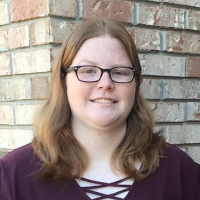
Savannah O'Berry
LPC
Alabama - 6 yrs exp











Understanding how OCD therapy works for Alabama residents
If you are exploring treatment for obsessive-compulsive disorder, it helps to know what the process often looks like and how it can fit into daily life in Alabama. Therapy typically begins with a thorough assessment of symptoms, patterns, and how intrusive thoughts and compulsive behaviors affect your routine at home, work, or school. From there a clinician will work with you to set goals, plan sessions, and identify practical steps you can take between appointments. Many people find that a structured therapeutic approach helps them reduce the time spent on rituals and improves day-to-day functioning.
Assessment and initial steps
Your first sessions are usually focused on understanding the specifics of your experience. A therapist will ask about the content and frequency of intrusive thoughts, what rituals or avoidance behaviors follow, and how these patterns interfere with relationships, work, or safety. That conversation often leads to a collaborative plan that emphasizes measurable goals and a timeline for review. If you live in a metropolitan area like Birmingham or Huntsville you may have access to clinicians with specialized training; in smaller towns there may be options for telehealth that connect you with experienced providers across the state.
Finding specialized help for OCD in Alabama
Search options in Alabama range from private practices in larger cities to community clinics and university training programs. If you are near Montgomery or Mobile you may find local therapists with experience treating OCD, while residents of Tuscaloosa and other college towns might find university-affiliated services that offer evidence-based care at lower cost. When you look at listings, pay attention to a clinician's training in treatments commonly used for OCD, years of experience, and whether they offer the type of appointment format that fits your schedule.
Local considerations and resources
Care options can vary by region. In urban centers like Birmingham you may find a wider range of specialists, group programs, and workshops focused on OCD. In more rural parts of Alabama, clinicians may offer telehealth as a regular part of their practice so you can access specialized care without long travel. You can also inquire about local support groups and community mental health centers that may provide complementary resources such as skills groups or family education sessions.
What to expect from online therapy for OCD
Online therapy has become a standard option for many people in Alabama, offering flexibility if you work irregular hours or live far from a specialist. When you choose online sessions you can expect live video meetings that mirror in-person sessions in length and structure, assessment tools shared digitally, and guided exercises you can practice at home. Therapists may assign gradual exposure exercises and ask you to record your responses between sessions so progress can be discussed and adjustments made.
Practical tips for online care
To get the most from virtual sessions, choose a quiet, comfortable environment and plan for the same level of commitment you would for in-person care. Make sure you have a reliable internet connection and a device with video capability. If you live in a household with others, consider arranging a consistent space where interruptions are minimal. Many clinicians in Alabama coordinate with local emergency resources and can help you plan what to do if intense anxiety spikes between sessions.
Common signs that someone in Alabama might benefit from OCD therapy
You might consider seeking help if repetitive thoughts or behaviors are taking up a lot of your time, causing significant distress, or getting in the way of relationships, school, or work. Symptoms can include persistent intrusive thoughts that are upsetting and hard to dismiss, rituals or routines that you feel driven to perform, or avoidance of situations that trigger distress. If you find yourself spending hours a day on compulsions or if these patterns are contributing to anxiety, depression, or impaired functioning, a consultation with a clinician can clarify next steps.
When to seek support sooner
It is reasonable to reach out promptly if your symptoms are escalating, if you have stopped participating in activities you used to enjoy, or if you are having trouble meeting responsibilities because of compulsive behaviors. Family members and friends in Alabama often encourage loved ones to pursue help when they notice withdrawing from social events, missed work, or increased safety checking. Early engagement with a therapist can make it easier to build momentum and try treatment techniques under professional guidance.
Tips for choosing the right OCD therapist in Alabama
Choosing a therapist is a personal decision, and you have a range of factors to consider. Look for clinicians who list experience treating OCD and who describe the therapeutic approaches they use. Many people prioritize training in exposure and response prevention and cognitive-behavioral methods because those approaches are commonly used for obsessive-compulsive presentations. You may also value a therapist who has experience working with your age group, cultural background, or specific life stage. Consider practical matters as well - whether a clinician accepts your insurance, offers sliding scale fees, or schedules sessions at times that fit your work or school commitments.
Questions to ask during an initial call
When you contact a therapist, you can ask about typical session structure, what a treatment plan might include, and how progress is measured. Inquire about experience with ERP and how the therapist supports clients during exposure exercises. Ask whether they offer in-person appointments in cities like Birmingham or Montgomery and how they handle telehealth visits for clients living elsewhere in the state. If family involvement matters to you, discuss how relatives or partners might be included in education or treatment planning.
Putting it together - making treatment fit your life in Alabama
Finding effective care for OCD often means combining focused clinical work with changes to daily routines and supports. If you are balancing work, school, or family obligations in Alabama, talk with your therapist about pacing and scheduling so treatment complements rather than overwhelms your life. You can also explore local resources such as peer support groups, community education events, and workshops that provide additional learning and connection. Whether you are in Birmingham, Huntsville, Tuscaloosa, or a smaller community, you can create a plan that respects your responsibilities while prioritizing consistent therapeutic progress.
Starting therapy is an active step toward managing distressing thoughts and behaviors. Use the listings above to compare clinicians, read profiles carefully, and reach out to those whose approaches and availability match your needs. The right clinician can help you build skills that reduce the hold of OCD on daily life and support you as you practice new ways of responding to fear and uncertainty.