Find a Phobias Therapist in Alabama
On this page you will find therapists who focus on helping people manage and reduce the impact of phobias across Alabama. Browse licensed clinicians by location and telehealth availability to find a good match for your needs.


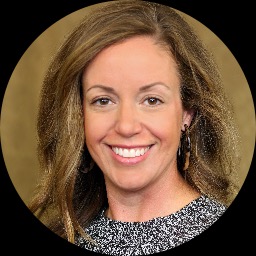
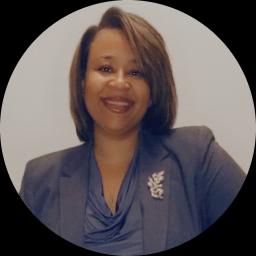
Savannah O'Berry
LPC
Alabama - 6 yrs exp

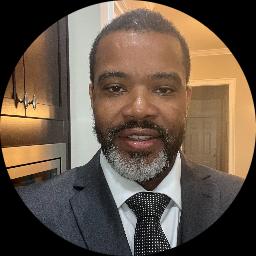
Barbara Leigh
LPC
Alabama - 38 yrs exp











How phobias therapy works for Alabama residents
If you are exploring help for a phobia in Alabama, therapy typically begins with an assessment of how the fear affects your daily life. A clinician will ask about the situations that trigger your fear, any physical or emotional reactions you experience, and how long the problem has been present. From there you and your therapist will clarify goals - for some people the aim is to reduce panic and avoidance, for others it is to build coping skills that allow them to remain functional in work, school, or relationships. Therapists who specialize in phobias often use structured, skills-based approaches that focus on changing how you think and respond to feared situations rather than on searching for a single cause.
Typical techniques used in treatment
Many clinicians use cognitive behavioral approaches that help you understand and shift unhelpful thought patterns that amplify fear. Exposure-based strategies are commonly recommended for specific phobias and involve gradual, supported confrontation with the feared object or situation in a way that allows you to gain mastery over avoidance and anxiety. Acceptance-based approaches and stress management skills are also frequently integrated to help you manage physical symptoms and reduce anticipatory worry. Your therapist will likely adapt these methods to fit your personal pace, comfort level, and practical constraints.
Finding specialized help for phobias in Alabama
When you look for a therapist in Alabama who focuses on phobias, consider both professional credentials and practical experience. Licensed professional counselors, clinical social workers, marriage and family therapists, and psychologists may specialize in anxiety and phobia work. Many clinicians list specific training in exposure therapy, cognitive behavioral therapy, or trauma-informed methods. If you live near Birmingham, Montgomery, Huntsville, Mobile, or Tuscaloosa, you will have more in-person options, while folks in smaller towns may rely more on telehealth. You can identify potential providers by searching for those who explicitly mention phobias, exposure therapy, or specific anxiety treatments in their profiles or bios.
Questions to ask when searching
When you contact a prospective therapist, it can be helpful to ask about their experience with the specific type of phobia you face, how they structure sessions, and how they measure progress. Ask whether they offer a brief phone consultation or an initial intake so you can get a sense of therapeutic style. Also check practical details such as accepted insurance plans, sliding scale options, session length, and whether they offer evening or weekend appointments if you need them. If you are worried about cost or travel time, many Alabama clinicians provide flexible scheduling or reduced-fee options for those who qualify.
What to expect from online therapy for phobias
Online therapy can make specialized phobia treatment accessible even if you live outside a major city. For many people in Alabama, telehealth removes long commutes and allows you to work with clinicians who have specific training in exposure-based techniques. During virtual sessions you will discuss your history, practice coping skills, and often plan in vivo or imaginal exposure exercises that you carry out between appointments. Some therapists will guide you through exposures in real time using video, especially for social fears or certain situational phobias. Before beginning telehealth, confirm that the clinician is licensed to provide services to residents of Alabama and that they can explain how remote sessions are scheduled and billed.
Practical considerations for telehealth
To get the most from online therapy, choose a quiet place where you can speak openly and focus for the duration of the session. Make sure your internet connection and device allow clear audio and video when needed. Discuss expectations with the clinician about how to handle crises or the need for urgent in-person care so you know what to do if intense anxiety occurs between sessions. Many people appreciate the convenience of telehealth while others prefer an in-person setting for hands-on exposure work; you can weigh those preferences when selecting a provider.
Common signs you might benefit from phobias therapy
You may consider seeking specialized help if your fear is persistent, disproportionate to the actual danger, or causes you to avoid important activities such as work, school, travel, or social events. Frequent panic or intense physiological reactions when faced with the feared object or situation can also indicate that targeted treatment would be helpful. If you find that your routines are shaped around avoidance - for example altering routes to avoid bridges or refusing invitations because of a fear of crowds - therapy can offer ways to regain flexibility and confidence. Additionally, if your reactions create strain in relationships or interfere with parenting responsibilities, speaking with a clinician can open up new options for managing those challenges.
When to seek help sooner
If anxiety about a phobia is causing you to withdraw from relationships, miss work, or experience ongoing distress, it is reasonable to reach out sooner rather than later. Early intervention can make it easier to build momentum in treatment and reduce the time avoidance patterns are allowed to strengthen. Therapists across Alabama often provide assessments to help you determine whether phobia-focused therapy is the best next step for your situation.
Tips for choosing the right therapist in Alabama
Start by identifying therapists who list phobias or anxiety as an area of focus. Look for clinicians who describe specific methods such as exposure therapy or cognitive behavioral therapy, and who mention experience with your particular type of fear. Consider practical factors like location relative to Birmingham, Montgomery, or Huntsville if you plan to attend in person, or the therapist's telehealth availability if you prefer remote sessions. Pay attention to how comfortable you feel during an initial conversation - rapport matters because trust and safety are central to doing challenging exposure work. You should also ask about typical treatment length and how progress is measured so you have clear expectations.
Matching personal needs and preferences
Therapy is more likely to succeed when the clinician's approach aligns with your values and lifestyle. If cultural competence or language needs are important to you, seek providers who mention experience working with diverse clients or who speak your preferred language. If you have mobility limitations or transportation barriers, prioritize therapists who offer remote sessions or offices that are accessible. Finally, consider whether you prefer a therapist with a more directive, skills-focused orientation or someone who takes a reflective, exploratory approach to your fears. Both orientations can be effective for phobias, so finding a good fit is key.
Moving forward with confidence
Searching for a phobia-focused therapist in Alabama is a practical step toward greater freedom from avoidant patterns. Whether you live in a city like Birmingham, Montgomery, or Huntsville or in a smaller town, you can find clinicians who specialize in anxiety and phobia work and who offer both in-person and online options. You do not need to face a phobia alone - reaching out to a trained provider can help you learn tools and strategies that make feared situations less overwhelming. Use the listings above to explore profiles, make contact, and schedule an initial consultation so you can begin deciding which approach feels right for you.