Find a Post-Traumatic Stress Therapist in Alabama
This page connects you with therapists in Alabama who specialize in Post-Traumatic Stress care. Browse listings below to compare approaches, credentials, and availability across cities like Birmingham and Huntsville.
Use the profiles to filter for experience, therapy style, and whether clinicians offer in-person or online sessions to find the best match for your needs.





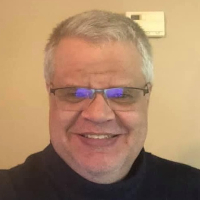
Dr. Jason Reasor
LPC
Alabama - 4 yrs exp






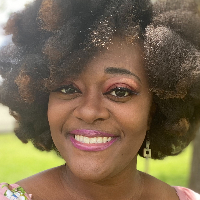
Savannah O'Berry
LPC
Alabama - 6 yrs exp







Barbara Leigh
LPC
Alabama - 38 yrs exp




How Post-Traumatic Stress Therapy Works for Alabama Residents
When you begin therapy for post-traumatic stress in Alabama, the process typically starts with an initial assessment where a clinician asks about your history, current symptoms, and goals. That assessment helps shape a personalized plan that may include evidence-based methods such as trauma-focused cognitive behavioral techniques, exposure-based strategies, or somatic approaches that work with body-based responses. Your therapist will help you understand how past traumatic experiences continue to affect thoughts, feelings, and behaviors, and will collaborate with you to develop coping skills, safety strategies, and measurable goals tailored to your daily life.
Therapy is often paced to match your readiness. Some people prefer shorter-term, structured work focused on symptom relief and skill building. Others benefit from a longer therapeutic relationship that explores the emotional impact of trauma and builds resilience over time. In Alabama, you can find clinicians who specialize in working with specific populations such as veterans, first responders, survivors of interpersonal violence, and people living in rural communities, so you can choose a therapist whose training aligns with your background and needs.
Common therapeutic approaches
Several established approaches are commonly used for post-traumatic stress therapy. Trauma-focused cognitive behavioral approaches aim to help you process distressing memories and change unhelpful thinking patterns. Eye movement and similar therapies focus on processing traumatic memories in a way that reduces emotional intensity. Somatic methods emphasize awareness of bodily sensations and teach techniques for regulating physiological reactions to reminders of trauma. Many therapists integrate mindfulness and grounding practices to help you manage flashbacks and intrusive thoughts. A skilled clinician will explain these options and recommend a path based on your symptoms, history, and preferences.
Finding Specialized Help for Post-Traumatic Stress in Alabama
Finding the right specialist often starts with identifying the credentials and experience that matter most to you. Licensed mental health professionals in Alabama may hold degrees and certifications in psychology, social work, marriage and family therapy, or counseling, and many pursue additional training in trauma-focused methods. You can check a clinician's training and licenses through the state licensing board and look for practitioners who list trauma-informed care or specific modalities on their profiles.
Consider location and accessibility when searching. Birmingham and Huntsville offer larger networks of providers, including clinicians with experience in military-related trauma or high-acuity cases. Montgomery and Mobile also have providers who work with diverse populations and community clinics that can be helpful if you are exploring lower-cost options. If you are a student or connected to a university community, cities like Tuscaloosa have campus-based services and local clinicians who understand student life stresses. Rural areas of Alabama may have fewer in-person specialists, so many residents rely on clinicians who offer telehealth appointments to bridge distance and scheduling gaps.
Local resources and considerations
When searching in Alabama, think about cultural fit and local experience. Some therapists have experience working with faith traditions common in the region, with military families near Huntsville and Montgomery, or with industries that shape community life. If accessibility or cost is a concern, ask about sliding scale options, group therapy offerings, or community mental health programs in your city. Networking with local health centers, employee assistance programs, or primary care providers can also help you find clinicians who focus on trauma recovery.
What to Expect from Online Therapy for Post-Traumatic Stress
Online therapy has become a practical option in Alabama for many people seeking post-traumatic stress care. In an online session you can expect the same therapeutic framework as in-person work - assessment, goal-setting, skill-building, and processing - delivered over video or sometimes by phone. Online sessions can make it easier to maintain continuity of care if you travel between cities such as Birmingham and Mobile or if you live in a rural county with limited local options.
Before your first online appointment your therapist will typically explain the technology and privacy practices they use, suggest a comfortable environment for your session, and review emergency planning if you experience intense distress between appointments. You should plan a quiet, interruption-free area where you feel safe to talk. Many therapists offer a short orientation or technical check to ensure that audio and video work well and that you know how to connect to future sessions. If you prefer a mix of in-person and online work, ask providers whether they offer hybrid arrangements so you can balance convenience with the benefits of face-to-face contact.
Preparing for an online session
To get the most out of online therapy, consider practical steps before you begin. Choose a location where you can speak freely and feel emotionally comfortable. Test devices and internet connections in advance. Have tissues, water, and a list of topics you want to address. It is also reasonable to ask your therapist about how they handle privacy, record-keeping, and what to do in an emergency. Clear communication about these practical matters helps create a predictable framework so you can focus on the therapeutic work.
Common Signs You Might Benefit from Post-Traumatic Stress Therapy
You might consider seeking specialized post-traumatic stress therapy if you notice ongoing and intrusive memories, repeated distressing dreams, or persistent avoidance of people, places, or activities that remind you of a traumatic event. You may find that physiological reactions - such as being easily startled, feeling on edge, or experiencing strong physical responses to reminders - interfere with daily routines or relationships. Changes in mood, such as increased irritability, difficulty concentrating, numbness, or a sense of detachment from others, are also indicators that trauma-related care could be helpful.
For some people, symptoms make work or school performance more difficult, create problems in close relationships, or lead to unhealthy coping behaviors. If symptoms persist for weeks or months after a traumatic event, or if they intensify over time, reaching out to a trained trauma clinician can open up pathways to relief and adaptive strategies. Seeking help early often means you can learn skills to manage symptoms before they become more entrenched.
Tips for Choosing the Right Therapist for This Specialty in Alabama
Choosing a therapist is a personal decision. Start by clarifying what you want from therapy - whether it is symptom reduction, better sleep, restored relationships, or processing the trauma narrative. Look for clinicians who explicitly describe their work with trauma and who list the modalities you find appealing. It is reasonable to ask about years of experience with post-traumatic stress, examples of typical treatment plans, and how they measure progress. You can also inquire about their experience working with people from similar backgrounds or with similar types of trauma.
Practical considerations matter as well. Ask about appointment availability, whether they accept your insurance or offer out-of-pocket rates, and whether they provide telehealth. If location matters, note whether a therapist is based in Birmingham, Montgomery, Huntsville, Mobile, or Tuscaloosa, as that can influence in-person scheduling and community connections. Trust your instincts about the therapeutic connection - feeling heard and understood in the first few sessions is often a good sign that you are in the right place.
Questions to ask and practical steps
When you contact a prospective therapist, prepare a few questions about their approach to trauma, what a typical session entails, and how they support safety if intense emotions arise. Ask how progress is tracked and what a rough timeline might look like for your goals. If cost or insurance is a concern, ask about billing practices and available financial options. Finally, verify licensure with the Alabama state licensing board if you want to confirm credentials. Taking these steps will help you choose a clinician who aligns with both your therapeutic needs and practical constraints.
Next Steps and Support in Alabama
Once you identify a few promising clinicians, schedule an initial consultation to get a sense of fit. Many therapists offer brief phone calls or introductory sessions that allow you to ask questions and see how you feel with them. If you encounter waitlists, consider interim support such as community groups, skill-building workshops, or peer support networks while you wait for specialized care. Remember that seeking help is a step toward regaining control and building skills that can improve daily functioning and relationships.
Whether you are in a major city like Birmingham or Huntsville or live in a smaller community, there are options available to help you address post-traumatic stress. Use the listings above to compare clinicians, note their approaches and availability, and reach out to begin a conversation about your needs and goals. The right match can make a meaningful difference in your recovery journey.