Find a Trauma-Focused Therapy Therapist in Alabama
Trauma-Focused Therapy is an evidence-informed approach that helps people work through the effects of traumatic experiences and build coping strategies. This directory highlights practitioners across Alabama who specialize in trauma-responsive care. Browse the listings below to compare providers and choose the right fit for your needs.








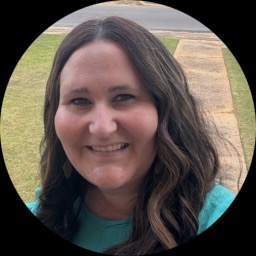
Savannah O'Berry
LPC
Alabama - 6 yrs exp









Understanding Trauma-Focused Therapy
Trauma-Focused Therapy refers to therapeutic approaches that prioritize the impact of trauma on a person’s emotional, behavioral, and cognitive life. At its core, this work recognizes that trauma can shape the way you relate to yourself and others, influence physical sensations, and affect daily functioning. Therapists who practice with a trauma focus use methods designed to help you process distressing memories, reduce symptoms that follow trauma, and develop skills that support safety and resilience. The emphasis is on collaboration, pacing, and adapting techniques to fit your needs rather than applying a one-size-fits-all model.
Core principles of the work
The practice is guided by several consistent principles. Therapists aim to create a stable therapeutic relationship where you can explore difficult material at a manageable pace. The approach often combines emotional processing with practical skills for managing stress, grounding in the present moment, and rebuilding a sense of control. Clinicians also consider the wider context of your life - relationships, cultural background, and current stressors - to make sure treatment aligns with your goals. While methods vary, the intention remains the same: to help you move from surviving to living with greater agency and wellbeing.
How Trauma-Focused Therapy is used by therapists in Alabama
In Alabama, practitioners bring Trauma-Focused Therapy into a range of settings - outpatient clinics, community mental health centers, private practices, and online sessions. Many clinicians combine trauma-focused techniques with other therapeutic frameworks to address unique presentations. For example, some therapists blend trauma processing with skills-based work to help you manage anxiety or mood changes that accompany traumatic experiences. Regional considerations matter too. Therapists in Birmingham and Huntsville may have access to larger networks and training opportunities, while clinicians practicing in smaller communities often draw on broad experience to meet diverse needs. Across the state, therapists tailor their work to the realities of clients’ lives - balancing practical supports with therapeutic goals.
Collaborative and culturally aware practice
Therapists in Alabama who focus on trauma are increasingly attentive to cultural factors that shape how trauma is experienced and expressed. This means discussing how family systems, faith communities, and regional histories influence healing. You should expect a clinician to ask about your background and preferences, to adapt language and interventions, and to incorporate strengths from your community and personal values as part of the therapeutic plan.
What Trauma-Focused Therapy is commonly used for
Trauma-Focused Therapy is often sought when past events continue to affect daily life. People come for help with persistent anxiety, intrusive memories, nightmares, hypervigilance, and avoidance of reminders. It is also used when trauma affects relationships, work performance, or physical health in ways that interfere with wellbeing. Therapists may work with individuals after single-incident trauma such as an accident, as well as with people who have experienced ongoing stressors like childhood adversity, interpersonal violence, or complex losses. The approach is adaptable to a wide range of ages and life stages, and clinicians often coordinate with medical providers, schools, or community supports when needed.
What a typical Trauma-Focused Therapy session looks like online
If you choose an online format you can expect sessions that emphasize safety, pacing, and practical techniques you can use between meetings. An initial session commonly includes a comprehensive intake conversation where the therapist gathers information about your history, current concerns, strengths, and goals. Early sessions focus on establishing coping skills - breathing, grounding, and strategies to manage strong emotions - so that when you begin processing traumatic material you have tools to rely on. When you move into trauma processing, the therapist will guide you through steps at a pace that feels manageable, checking in frequently about how you are tolerating the material.
Online therapy can be particularly useful if you live outside major cities or have transportation or scheduling constraints. You can participate from a location that feels comfortable and consistent for you, whether that is in your home or another calm setting. Therapists will discuss practical considerations such as privacy in your chosen space, technology needs, and what to do if you become distressed between sessions. The online format also makes it easier to access specialized clinicians who may be located in Birmingham, Montgomery, or Huntsville but serve clients across Alabama.
Who is a good candidate for Trauma-Focused Therapy
You might consider Trauma-Focused Therapy if past experiences continue to cause distress, limit your activities, or interfere with relationships. It can be appropriate for people who experience anxiety, mood changes, difficulty sleeping, or intense reactions to reminders of past events. The approach is also used with adolescents and children, with adaptations that account for developmental needs and the involvement of caregivers when appropriate. It is important that you feel ready to engage in work that may involve revisiting painful memories; a good therapist will help you assess readiness and will not push you to move faster than is comfortable. If you are facing immediate safety concerns or severe symptoms that make participation difficult, a clinician can work with you to stabilize symptoms and develop supports before beginning trauma-focused processing.
How to find the right Trauma-Focused Therapy therapist in Alabama
Finding the right therapist is a mix of practical and personal choices. Start by considering logistics - whether you prefer in-person sessions or online meetings, whether evening or weekend availability matters, and what insurance or payment options you need. Then look at clinical focus and training. Many clinicians list specific trauma-informed modalities and populations they work with; you can use that information to match someone who has experience with situations similar to yours. Location matters when in-person care is important - you might search for providers near home or work in cities like Birmingham, Montgomery, Huntsville, Mobile, or Tuscaloosa to minimize travel time.
A short introductory call can be a helpful next step. Use that conversation to ask about the therapist's experience with trauma-focused approaches, typical session structure, how they measure progress, and what you can expect between sessions. Trust your impressions - the relationship you build with a therapist is a key component of effective care. If an initial therapist does not feel like the right fit, it is reasonable to try another provider until you find a collaborative and responsive match.
Practical considerations for beginning therapy in Alabama
When you reach out to a therapist, ask about practical matters such as scheduling, payment, and how they handle coordination with other services you may be using. Many clinicians will provide a brief consultation to determine whether their approach aligns with your goals and to answer questions about the treatment process. If you live in a more rural area, online appointments can broaden your options and connect you with specialists who may be based in larger cities. Keep in mind that finding the right fit can take time - establishing rapport and a shared plan often makes treatment more effective than any single technique.
Trauma-Focused Therapy is a path toward regaining agency and building strategies that support daily functioning. By learning what to expect and taking time to find a therapist who matches your needs, you can enter treatment with clearer expectations and a stronger sense of direction. Whether you seek in-person care in Birmingham or Montgomery, or choose an online clinician based elsewhere in Alabama, there are practitioners who focus on trauma-responsive methods and who can help you move forward at a pace that feels right for you.