Find a First Responder Issues Therapist in Alaska
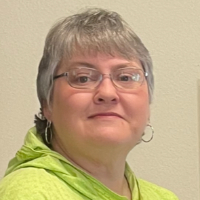
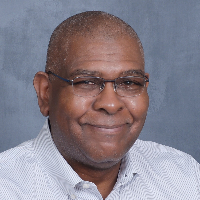
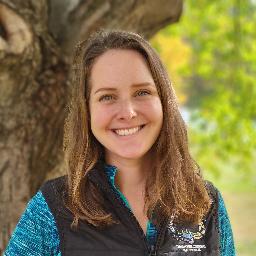
This page lists therapists in Alaska who focus on first responder issues, addressing stress, trauma, burnout, and related challenges. Browse the profiles below to review providers, their approaches, and the areas they serve across the state.
Use the listings to compare specialties, read therapist bios, and contact clinicians who match your needs.


How first responder issues therapy works for Alaska residents
When you seek therapy focused on first responder issues in Alaska, you will find clinicians who understand the unique stresses that come with emergency response work. Therapy often begins with an intake session to explore your current concerns, work history, and goals for treatment. From there, a clinician will typically suggest a therapeutic approach based on your needs - that might include trauma-focused methods, stress management techniques, or work on sleep and mood regulation. Sessions can be weekly or scheduled at a rhythm that fits your schedule and the intensity of your symptoms. Because Alaska has large geographic distances between towns and rural communities, many therapists combine in-person appointments with online sessions to maintain continuity of care.
Therapeutic approaches commonly used
You may encounter several evidence-informed approaches when working with a specialist in first responder issues. Some clinicians emphasize cognitive-behavioral strategies to help you identify and change thought patterns that heighten distress. Others use trauma-focused therapies to process critical incidents, reduce the intensity of intrusive memories, and rebuild coping after exposure to repeated stressful events. Many therapists integrate practical skills such as breathing and grounding exercises, sleep hygiene, and pacing strategies to reduce burnout and improve day-to-day functioning. A qualified clinician will discuss the options and collaborate with you to create a plan that fits both your work schedule and your goals.
Finding specialized help for first responder issues in Alaska
Locating the right clinician in Alaska means considering geographic convenience, training, and experience with first responder populations. In larger urban centers such as Anchorage, you are more likely to find clinicians who specialize in work-related trauma, peer support integration, or occupational health. Fairbanks and Juneau also host experienced therapists who understand the pressures faced by police officers, firefighters, paramedics, corrections staff, and search and rescue volunteers. If you live outside these hubs, look for therapists who offer telehealth and who have experience adapting therapeutic work to remote or rural contexts.
When reviewing profiles, pay attention to descriptions that mention work with emergency responders, training in trauma and stress-related care, or familiarity with shift work and sleep disruption. Ask potential clinicians about their experience with occupational stigma, reintegration after critical incidents, and coordination with employee assistance programs or union resources when appropriate. A therapist who understands the culture of first responder work can help you navigate conversations about duty-related stress and craft strategies that respect the demands of your role.
What to expect from online therapy for first responder issues
Online therapy can be a practical option in Alaska, where weather and distance often complicate travel. When you choose teletherapy, you will typically meet with a clinician via video or text-based messaging to work through your concerns. Sessions can mirror in-person visits in structure - you will check in, review recent events, practice skills, and process incidents - but you may find greater flexibility for appointment times outside of regular business hours. Many therapists offer evening or weekend slots to accommodate shift schedules.
Before beginning teletherapy, confirm technical details such as the platform used, how to handle missed sessions, and what to do in a crisis. Discuss boundaries and expectations for communication between sessions and whether the therapist maintains a schedule that aligns with emergency responder availability. If you are in a remote area, consider how connectivity or privacy at home may affect your ability to engage in sessions, and explore options for meeting from a vehicle, station, or another quiet setting when appropriate.
Common signs that someone in Alaska might benefit from first responder issues therapy
It can be difficult to decide when to seek help, especially in cultures that emphasize resilience and self-reliance. You may consider reaching out if you notice persistent changes in mood, such as increased irritability, withdrawal from loved ones, or a decreased interest in activities you previously enjoyed. Sleep problems and nightmares after critical incidents are common indications that targeted support could help. If you find yourself replaying scenes from a call, avoiding reminders of work, or experiencing heightened startle responses, these are signals that trauma-focused care may be beneficial.
Other signs include ongoing physical symptoms like headaches, gastrointestinal upset, or chronic fatigue that do not respond to typical interventions. If work-related stress is affecting your performance on duty, creating safety concerns, or contributing to substance use as a coping strategy, seeking specialized support is important. You may also want therapy if you are preparing to return to duty after an extended leave, want help managing career transitions, or wish to develop stronger peer support and family communication skills.
Tips for choosing the right therapist for this specialty in Alaska
Start by narrowing potential clinicians based on their experience with first responder populations and the therapeutic approaches they offer. A good match means you feel heard and respected during initial conversations. Ask about specific training related to trauma, crisis intervention, and occupational stress. Inquire how the therapist supports clients who work irregular hours, whether they offer evening or weekend sessions, and how they handle continuity of care when you have to miss or reschedule appointments due to duty.
Consider practical factors such as whether the clinician is licensed to practice in Alaska and whether they have experience working with local systems, such as municipal departments or state resources. If you prefer in-person care, look for providers near major centers like Anchorage, Fairbanks, or Juneau. If you rely on teletherapy, confirm that the clinician has experience adapting interventions to online formats and that they can recommend local crisis resources if needed. Trust your instincts during an initial consultation - the therapeutic relationship is a core factor in positive outcomes, and you should feel comfortable asking questions about approach, expectations, and timeframes.
Working with peers and family
Many first responders find it helpful to involve supportive family members or peers in parts of treatment to rebuild trust and improve communication. A therapist can facilitate conversations about the impacts of shift work and exposure to difficult events, helping you and your loved ones develop strategies to manage stress and strengthen relationships. If peer support programs exist within your department or region, a therapist may coordinate with those resources while maintaining professional boundaries that respect your personal needs.
Practical next steps
When you are ready to take the next step, use the listings above to compare clinicians, read their biographies, and reach out with questions about availability and approach. Prepare for your first appointment by noting recent incidents, current sleep and mood patterns, and what you hope to change through therapy. If you are juggling shifts, ask about flexible scheduling and emergency contact protocols so you know how your therapist supports you between sessions. Over time, therapy can provide tools to manage acute stress, reduce the impact of repeated exposures, and help you sustain a long-term career while protecting well-being.
Alaska presents both challenges and strengths for first responders - vast landscapes, close-knit communities, and demanding conditions. With the right therapeutic support, you can develop coping strategies that fit your life and work, whether you are based in Anchorage, deployed to Fairbanks, traveling through Juneau, or serving in a smaller town. Use the resources on this page to find a clinician who understands your role and can help you move forward on your terms.