Find a Grief Therapist in Alaska
This page lists grief therapy professionals who serve people living in Alaska. You will find clinicians who focus on bereavement, loss-related adjustments, and related support in both urban and rural settings.
Browse the listings below to compare profiles, approaches, and availability, and contact a therapist to learn more about their services.



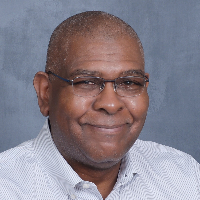

Dr. Michael Vigil
LPC
Alaska - 11 yrs exp










How grief therapy works for Alaska residents
Grief therapy is a process that helps you navigate the emotional, practical, and relational changes that come after a significant loss. In Alaska, that process often unfolds in ways shaped by geography, climate, culture, and community connections. Whether you live in Anchorage, Fairbanks, Juneau, or a smaller village, a therapist will typically begin by creating a space where you can explore your experience at your own pace. Sessions may include listening and validation, meaning-making exercises, coping skills to manage intense emotions, and practical planning for anniversaries or rituals that matter to you.
Therapists draw from a variety of approaches including grief-focused counseling, narrative techniques that help you tell and retell the story of your loss, and elements of trauma-informed care when a loss has been sudden or violent. The pace of therapy is guided by your needs - some people benefit from a few targeted sessions to address immediate concerns, while others find ongoing support helpful as they adjust to life after loss.
Finding specialized help for grief in Alaska
When you search for a grief therapist in Alaska, look for clinicians who list bereavement, complicated grief, or loss-related adjustment as areas of focus. Many therapists develop experience with particular types of loss - for example, the death of a partner, the loss of a child, loss related to illness, or losses tied to job or identity changes. You can also find providers who specialize in cultural competence with Alaska Native communities or who have experience working in remote or rural contexts.
Consider reaching out to local health centers, community organizations, or faith communities to learn about recommended clinicians. In larger cities like Anchorage, there may be more options for in-person therapy and group programs. Fairbanks and Juneau often host support groups or workshops at community centers or hospices. In more remote areas, teletherapy can bridge distance, and some clinicians travel periodically to offer in-person sessions. When you contact a therapist, ask about their experience with the specific kind of loss you are facing, their approach to grief work, and whether they offer individual sessions, group support, or family-focused care.
What to expect from online therapy for grief
Online therapy can be a vital resource in Alaska, where travel between communities can be time consuming and weather can affect mobility. If you choose teletherapy, you can expect scheduled video or phone sessions that follow a similar structure to in-person counseling. A typical session begins with check-in about how you are doing, moves into focused conversation about recent challenges or memories, and ends with practical suggestions or coping exercises to try between sessions.
Therapists will discuss how they protect your personal information and how to set up a comfortable, uninterrupted environment for sessions. You should also talk about how emergencies are handled - for example, what steps the clinician takes if you are in crisis, and what local resources are available in your area. Teletherapy allows you to work with clinicians who have relevant specialization but are located in different parts of the state, which can be especially helpful when you need a specific type of support.
Common signs that someone in Alaska might benefit from grief therapy
You might consider grief therapy if you find it increasingly difficult to manage daily tasks after a loss, or if intense emotions interfere with work, family life, or relationships. Persistent difficulty sleeping, overwhelming feelings of numbness or anger, and a sense of being stuck in the mourning process are signals that support could help. Sometimes grief shows up as heightened anxiety about safety or future losses, or as withdrawal from social connections that were once important.
In Alaska, the rhythm of seasons and the demands of remote living can intensify certain reactions - long winter nights may deepen loneliness, while the need to travel for work or subsistence can make it harder to maintain regular routines. If anniversaries, holidays, or returning to familiar places consistently trigger distress, a therapist can help you plan coping strategies and create meaningful ways to remember. Therapy can also support you through practical challenges related to a loss, such as managing estate matters, explaining changes to children, or finding ways to re-engage with community life.
Tips for choosing the right therapist for grief in Alaska
Choosing a therapist is a personal decision and it helps to approach it with a few practical questions in mind. Start by considering what type of connection feels important - do you want someone who integrates spiritual or cultural practices into the work, or someone with a structured, skills-based approach? Ask about the therapist's training, years of experience with grief and bereavement, and whether they have worked with people from your cultural background or community. If you live in a smaller town, you may value a clinician who understands local dynamics and the logistics of travel and seasonal shifts.
Availability is another key factor. You may prefer a therapist who offers flexible scheduling to accommodate shift work, seasonal employment, or family responsibilities. Discuss fees and insurance options up front, and ask whether the clinician offers sliding scale rates or group programs which can provide additional support. If you are considering online sessions, make sure the modality fits your comfort level with technology and ask about backup plans if a connection is interrupted.
Many therapists offer a short initial consultation so you can get a sense of fit without committing to a full session. Use that time to describe what you are coping with, ask how they usually work with grief, and notice whether you feel heard and respected. Trust your instincts - a good therapeutic relationship is one where you feel gradually more able to share difficult thoughts and to try new ways of coping.
Finding community and additional supports across Alaska
Grief therapy often works best alongside other forms of support. In Anchorage, Fairbanks, and Juneau you may find community groups, workshops, or memorial events that complement individual therapy. Rural areas often have tight-knit networks where neighbors, spiritual leaders, and elders play an important role in healing. Consider combining one-on-one therapy with peer-led support groups, creative outlets such as writing or art, and activities that connect you to nature - many people in Alaska find solace in outdoor rhythms and seasonal traditions.
Finally, remember that seeking help is a step in caring for yourself. Loss reshapes life in many small ways, and working with a grief-focused therapist can give you tools and perspectives that make daily living easier while you adapt. Whether you reach out to someone locally in Anchorage, connect with a clinician in Fairbanks or Juneau by video, or find a therapist who understands the realities of rural life, you deserve support that aligns with your needs and values.
Next steps
When you are ready, review therapist profiles on this page to compare approaches, availability, and areas of focus. Contact a clinician to ask specific questions and arrange an initial meeting. Taking that first step can help you find steady support as you move through grief in a way that honors your experience and fits your life in Alaska.