Find a Stress & Anxiety Therapist in Alaska
This page lists therapists in Alaska who focus on stress and anxiety care. You will find professionals serving Anchorage, Fairbanks, Juneau, and surrounding communities with a variety of approaches and availability. Browse the listings below to compare specialties and schedule a consultation.




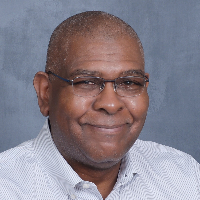

Dr. Michael Vigil
LPC
Alaska - 11 yrs exp
















How stress and anxiety therapy works for Alaska residents
If you live in Alaska and are exploring therapy for stress or anxiety, you will find that the process is built around understanding what creates pressure in your daily life and learning tools to respond differently. Initial sessions typically focus on gathering information about your current symptoms, your history, and the situations that tend to trigger worry or overwhelm. From there, a therapist will work with you to set goals - for example, reducing frequent panic, improving sleep, or managing work-related stress - and choose evidence-informed methods to reach them.
Your location in Alaska can shape how therapy is delivered and what issues come up in sessions. Living in urban centers like Anchorage may give you access to a wide range of clinicians and modalities. In more remote areas, a therapist may also take into account the challenges of geographic isolation, seasonal changes in daylight, and the particular rhythms of local industries. Therapy is a collaborative process, so you will have opportunities to adjust the focus and pace depending on what helps most.
Finding specialized help for stress and anxiety in Alaska
Finding a therapist who specializes in stress and anxiety starts with identifying what kind of support feels most useful to you. Some clinicians emphasize cognitive-behavioral techniques that teach practical strategies to shift unhelpful thinking and behavior. Others integrate acceptance-based approaches that focus on changing your relationship to anxious thoughts rather than trying to eliminate them. You may also find therapists who bring trauma-informed care, mindfulness training, or skill-based coaching that targets workplace or caregiver stress.
When searching, consider whether you prefer someone with experience working with Alaska-specific concerns. Therapists who have served people in communities like Anchorage, Fairbanks, or Juneau often understand local stressors - from intense seasonal shifts to job-related pressures in fishing, oil, or public service. Cultural competence is important, especially if you belong to an Indigenous community or another cultural group; asking about a therapist's experience and training can help you find someone who respects your background and values.
What to expect from online therapy for stress and anxiety
Online therapy has become a practical option for many Alaskans, particularly for those outside major population centers. If you choose video or phone sessions, expect an initial intake to review logistics, privacy practices, and how appointments will run. Sessions often last 45 to 60 minutes and can include skill-building exercises, guided breathing, cognitive restructuring, or exposure practices conducted with support from your clinician.
You should plan for the technical aspects as well. Reliable internet and a quiet setting help the work go smoothly, though many therapists are familiar with interruptions and can adapt if your connection drops. Time zone differences may also matter if you travel or split time between communities like Anchorage and a smaller borough. Some therapists offer blended care - a combination of occasional in-person visits and regular online check-ins - which can be helpful if you live near a city like Juneau but spend parts of the year elsewhere.
Common signs that you might benefit from stress and anxiety therapy
It can be difficult to know when to seek help, but certain patterns often indicate that therapy could be beneficial. You might notice persistent worry that is hard to control, regular trouble falling or staying asleep, or a tendency to avoid people or situations that trigger anxiety. Physical symptoms such as ongoing muscle tension, frequent headaches, or digestive upset can accompany chronic stress and affect your daily functioning. You may also find that stress is eroding relationships, making work more difficult, or reducing your enjoyment of activities you once liked.
If you find that coping strategies you used in the past are no longer effective, or if the intensity of your anxiety has increased during transitions like a move to a new town or a major life event, therapy can provide structured support. Reaching out earlier often helps you learn tools before patterns become deeply entrenched.
Tips for choosing the right therapist for this specialty in Alaska
Choosing the right therapist is a personal decision. Start by thinking about what you want from treatment - symptom reduction, better stress management, or guidance through a specific event. Look for clinicians who list stress, anxiety, or related approaches such as cognitive-behavioral therapy on their profiles. Reading a therapist's description can give you a sense of their style and whether they emphasize practical skills, insight-oriented work, or a combination of both.
Consider logistical factors early on. If you live in or near Anchorage, you may have more options for in-person care and specialties. In Fairbanks or Juneau, teletherapy may expand the available choices. Ask about appointment length and frequency, cancellation policies, and whether clinicians offer evening or weekend times if your schedule is constrained. If cost is a concern, inquire about sliding scale fees or whether the therapist accepts insurance. Many clinicians will be upfront about fees during an initial call.
Assess fit after the first few sessions. A good therapeutic relationship is marked by feeling heard, respected, and understood. You should feel comfortable discussing what is on your mind and notice that sessions include concrete ideas you can try between appointments. If a therapist's approach does not feel right, it is acceptable to try a different clinician - finding the right match can make treatment more effective and sustainable.
Practical considerations for Alaskans seeking therapy
Practical matters are part of the decision-making process. If you live in a remote area, ask about the therapist's experience with the challenges of limited broadband or intermittent phone service. Some clinicians can suggest low-tech alternatives for support between sessions. If you are part of a small community and worry about visibility, talk with prospective therapists about how they protect your personal information and how they handle coordination with other local providers.
If seasonal patterns affect your mood or stress levels - for example, long winter nights or very long summer days - tell a potential therapist about these rhythms. They can help you develop strategies tailored to seasonal shifts, including sleep routines and activity planning. For those connected to military life or industries with cyclical stressors, a therapist with experience in those areas can help normalize the context of your challenges while offering targeted skills for coping.
Next steps when you are ready
When you are ready to reach out, use the listings above to compare therapist backgrounds, therapeutic approaches, and availability. Contact a few clinicians to ask brief questions about their experience with stress and anxiety, whether they offer teletherapy, and how they approach early sessions. Scheduling an initial consultation can give you a clearer sense of whether a therapist's style matches your needs. With the right match, therapy can become a practical resource that helps you manage stress, reduce anxiety, and improve your ability to engage in the life you want to lead across Alaska's towns and landscapes.
Whether you are in Anchorage, Fairbanks, Juneau, or a smaller community, there are clinicians ready to work with you. Taking the first step to connect with a therapist can open the door to clearer strategies and steadier coping - and it is a step worth taking on your own terms.