Find a Trauma and Abuse Therapist in Alaska
This page lists therapists who focus on trauma and abuse care for people in Alaska. Browse clinician profiles below to compare specialties, locations, and availability across Anchorage, Fairbanks, Juneau and beyond.






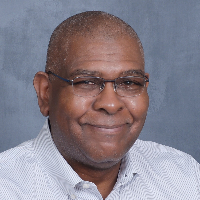

Dr. Michael Vigil
LPC
Alaska - 11 yrs exp














How trauma and abuse therapy works for Alaska residents
If you are seeking help after experiencing trauma or abuse, therapy is a collaborative process that centers your experience and priorities. A therapist trained in trauma-informed approaches will start by creating an environment where you can share at your own pace and set goals that matter to you. Early sessions often involve learning coping skills to manage intense emotions, establishing a sense of safety in daily life, and mapping the effects of traumatic experiences on sleep, work, relationships and mood. Over time you and your clinician may work on processing traumatic memories, changing unhelpful patterns, and building resilience. Therapy can be short term or long term depending on your needs, the nature of the trauma and how you wish to proceed.
Finding specialized help for trauma and abuse in Alaska
When you search for a therapist in Alaska who specializes in trauma and abuse, look for clinicians with training in trauma-focused modalities and experience with the populations you identify with. Many therapists list approaches such as cognitive behavioral therapy with a trauma focus, eye movement interventions, somatic therapies, and narrative or exposure-based techniques. You should also consider practical factors - whether the therapist works with adults, teens or families, whether they offer evening or weekend appointments, and whether they accept your insurance or offer sliding scale fees. If you live in a village or a remote area, you may prefer a clinician who understands rural Alaska life and the logistical realities of travel, seasonal changes and community dynamics.
Local context matters
Alaska has a mix of urban centers and vast rural regions, and the context of your life can shape what kind of support is most helpful. People in Anchorage may have access to a wider range of specialists and group offerings, while individuals in Fairbanks, Juneau or smaller communities may benefit from clinicians who combine trauma work with general mental health care. Therapists who have experience with Alaska Native and Indigenous communities often integrate cultural knowledge and community strengths into care. It can be important to ask a prospective therapist about their experience working with cultural identities, language needs and community-based support if those factors are meaningful to you.
What to expect from online therapy for trauma and abuse
Online therapy has become a common option across Alaska, especially where distances between towns are large and travel is difficult. If you choose remote sessions, you can expect appointments to be conducted through video or phone. Many therapists adapt trauma-focused techniques for online delivery, teaching grounding skills, emotion regulation strategies and paced processing in a virtual format. You may find online therapy makes it easier to maintain consistent appointments during long winters or when travel is limited.
Before beginning online work, it is helpful to discuss practical details with your clinician: what platform or method they use, how to handle interruptions, and a plan for what to do if you experience a crisis during a session. You should also confirm that the therapist is licensed to practice in Alaska and understands local emergency procedures. If you are sharing your living space with others, think through a way to have privacy during sessions and a quiet place where you can focus on the work together. Online therapy can be very effective when you and your therapist plan logistics and boundaries up front.
Common signs that you might benefit from trauma and abuse therapy
You might consider trauma-focused care if you notice that past events are affecting your daily functioning, relationships, or sense of safety. Common signs include recurrent distressing memories, nightmares, or intrusive thoughts about an event. You might find yourself avoiding people, places or conversations that remind you of what happened, or you may experience heightened vigilance, jumpiness, or trouble concentrating. Changes in mood such as persistent sadness, anger, numbness, or feeling detached from others can also suggest that trauma has had an impact. If you rely on substances to manage memories or feel unable to trust and connect in ways you want to, therapy can offer a structured space to explore those patterns and develop alternative coping strategies.
In Alaska, seasonal shifts and geographic isolation can intensify some of these experiences. Longer periods indoors during winter or disruptions to routines because of weather may amplify anxiety or withdrawal after trauma. If you live in Anchorage, Fairbanks or Juneau, local support networks and community resources may be more accessible, while people in remote regions might prioritize finding clinicians who offer telehealth and understand rural life.
Tips for choosing the right therapist for trauma and abuse care in Alaska
Choosing a therapist is a personal decision and you should feel empowered to find someone who matches your needs and values. Start by reviewing profiles to note clinicians who explicitly list trauma and abuse as a specialty and describe the methods they use. Reach out to ask about their training, years of experience, and whether they have worked with people who share similar backgrounds or concerns. You may want to know how they structure sessions, whether they collaborate with medical providers, and what a typical course of treatment looks like.
It is also reasonable to ask about fees, insurance, appointment length, cancellation policies and whether they offer a brief consultation so you can see if the clinician feels like a good fit. If cultural connection matters to you, inquire about the therapist's experience with Alaska Native or other community traditions and whether they incorporate cultural strengths into their work. For people in remote areas, ask about their telehealth experience and how they handle situations when in-person referrals are needed.
Making the first contact
The first conversation with a therapist is an opportunity to notice how they listen and whether they respond with curiosity and respect. You should feel heard when you describe your concerns and have the space to ask about their approach. If something about the interaction does not feel right, it is okay to continue looking. Finding the right match may take time, but a supportive fit can make a meaningful difference in your progress.
Practical considerations and next steps
As you move forward, think about scheduling, cost and support systems. If you have insurance, contact your provider to learn about mental health benefits and whether the therapists you are considering are in-network. Many clinicians offer a sliding scale or pro bono work, and some community agencies provide trauma-informed programs at reduced cost. You may also explore group therapy or community-based supports if individual therapy is not immediately available where you live.
If you are in immediate danger or believe you might harm yourself or someone else, call local emergency services or a crisis line right away. For non-urgent needs, use the directory to compare profiles, note availability in Anchorage, Fairbanks, Juneau or your local community, and reach out to therapists whose descriptions align with your priorities. Therapy is a process and finding a clinician who respects your pace, context and goals is an important first step in healing and rebuilding a sense of safety and agency.
Whether you prefer in-person sessions or online appointments, there are therapists across Alaska with training in trauma and abuse care. Take your time to review profiles below, consider the practical questions described here, and connect with someone who feels right for you. Reaching out is a courageous act and the directory is designed to help you find options that fit your life and needs.