Find an Adoption Therapist in Arizona
This page connects you with adoption therapists serving Arizona, including clinicians who work with adoptive parents, adoptees, and birth families. You can explore profiles for providers practicing in Phoenix, Tucson, Mesa and other communities across the state. Browse the listings below to compare specialties, approaches, and availability.










Heather Scarbrough
LMFT
Arizona - 10 yrs exp
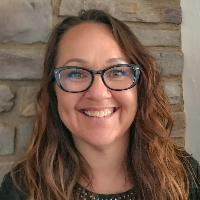



Chantelle Okoye
LPC
Arizona - 13 yrs exp



Joan Dewey
LCSW
Arizona - 28 yrs exp

Nicole Spahl
LPC
Arizona - 27 yrs exp

Katharine Childress
LPC
Arizona - 25 yrs exp





How adoption therapy works for Arizona residents
Adoption therapy is designed to address the emotional and relational questions that come with adoption at every stage - before placement, during transition, and throughout long-term family life. In Arizona, you will find professionals who focus on understanding identity, attachment, grief, and practical parenting strategies within the adoption context. Therapy typically begins with an intake session where you and the clinician review your history, current concerns, and goals. From there, sessions may shift between individual work, parent coaching, and family sessions that help everyone adjust to changes and strengthen connections.
When you seek adoption-focused care in Arizona, clinicians often bring techniques from attachment-based therapy, family systems approaches, and grief-informed counseling. They tailor sessions to the age of the adoptee, whether you are parenting an infant placed through foster care, helping a school-age child manage questions about identity, or supporting an adult adoptee exploring roots and relationships. The therapeutic relationship itself becomes a model for safe exploration and repaired connection, giving you practical tools to handle day-to-day challenges as well as deeper, long-term issues.
Initial consultation and assessment
Your first meetings will likely include a careful review of adoption history, medical and developmental information, family dynamics, and any legal or school-related concerns that affect the child or family. Assessments are not meant to label but to create a clear map of strengths and areas where targeted work will help. In Arizona, many therapists will also inquire about cultural and racial identity when relevant, and about how adoption intersects with community and extended family supports in places like Phoenix, Tucson, Mesa, Scottsdale, and Chandler.
Finding specialized help for adoption in Arizona
Searching for a therapist who understands adoption-specific issues can make a big difference in progress and comfort. You should look for clinicians who list adoption-related experience on their profiles and who describe approaches that match your needs - whether you are seeking help with early attachment, foster-to-adopt transitions, open adoption communication, or adult adoption identity work. Some therapists have additional training in areas such as attachment theory, perinatal mood issues for adoptive parents, or counseling for transracial adoption. Those specializations can be especially helpful if your situation involves complex medical histories, developmental concerns, or significant cultural questions.
Practical considerations matter as well. If you live in a larger urban area like Phoenix or Mesa, you might have access to a wider variety of therapists and support groups. If you are based in a smaller Arizona community, online options can extend your choices. You may also want to connect with local adoption agencies, parent support groups, or school counselors who can recommend adoption-competent clinicians familiar with Arizona’s systems and resources.
Local resources and considerations
Arizona has a mix of urban and rural communities, and that geography affects service availability. In cities such as Tucson and Scottsdale you may find clinicians who specialize in niche areas of adoption work, while in outlying counties therapists often provide a broader range of services to meet diverse needs. When you search for help, consider whether you want someone familiar with state-specific services like school special education processes, or with community organizations that support adoptive families. This local knowledge can help you navigate referrals, access assessments, and coordinate care with pediatricians or child welfare professionals if needed.
What to expect from online therapy for adoption
Online therapy has become an established way to receive adoption-focused counseling across Arizona, particularly useful for families who live outside major metropolitan areas. When you choose online sessions, you can expect a format that resembles in-person therapy in structure - scheduled sessions with a trained clinician who leads discussion, offers interventions, and assigns between-session practices. Technology allows you to meet from home, which can make scheduling easier for busy parents and reduce travel time for families in remote parts of the state.
Effective online adoption therapy involves clear agreements about session length, communication norms between sessions, and how to handle emergencies or sudden changes. Therapists typically guide you in creating a comfortable environment for sessions at home, helping you set boundaries so the conversation can remain focused and productive. For family work, clinicians may ask participants to be in different rooms for part of a session or to use separate devices so that certain conversations can occur individually before reconvening for shared work. Online formats can also make it easier to include extended family members who live in other Arizona cities or out of state.
Practical tips for online sessions
Before your first online appointment, you should test your internet connection, pick a quiet room, and decide who will participate. Think about what documents or school records you might want to share and ask the therapist about secure ways to do that. If you live in Phoenix, Tucson, or Mesa and prefer in-person visits, you can often combine occasional office sessions with online follow-ups to maintain momentum between appointments. Discuss payment options, cancellation policies, and whether the therapist accepts your insurance or offers sliding scale fees so you can plan for ongoing work.
Common signs that someone in Arizona might benefit from adoption therapy
There is no single moment that signals the need for adoption-focused therapy. You might consider reaching out if communication about adoption triggers repeated arguments, if a child shows sudden behavioral changes after a transition, or if questions about identity are causing distress that impacts school, friendships, or family life. Adoptive parents sometimes seek help when they feel overwhelmed by parenting challenges that standard parenting strategies do not address, or when grief and loss about adoption emerge unexpectedly. Adult adoptees often pursue therapy when they are exploring search and reunion questions or when past adoption experiences affect current relationships.
In Arizona families, you may also notice intersections with cultural and community issues that influence how adoption is experienced. If you encounter repeated misunderstandings at school or within extended family networks, or if you feel that adoption-related concerns are being overlooked by other supports, a therapist with adoption expertise can help you navigate those conversations and advocate for your needs in educational, medical, or social settings.
Tips for choosing the right therapist for this specialty in Arizona
Choosing a therapist is a personal decision and it is acceptable to try more than one provider before you find the right fit. Look for clinicians who describe specific work with adoption and who can explain their methods in terms you understand. When you contact potential therapists, ask about their experience with the particular issues you face - whether that is attachment challenges, identity questions, or open adoption arrangements. You should also ask about session format, availability, and whether they collaborate with other professionals involved in your care.
Consider whether you want someone who practices in a larger clinic with multiple specialties or a solo practitioner who focuses primarily on adoption. Proximity to Phoenix, Tucson, or Mesa might be important for in-person work, while online options broaden your choices statewide. Trust your sense of rapport during an initial consultation; therapy is most effective when you feel heard and understood. Lastly, practical alignment - scheduling that fits your routine, transparent fees, and a therapist who communicates clearly about goals and progress - will support consistent engagement over time.
Supporting ongoing family well-being
Adoption often shapes family life over many years, with new questions and adjustments emerging as children grow and circumstances change. You can expect therapy to evolve with your needs - some seasons may call for focused problem-solving, and others for deeper identity work. Many families benefit from periodic check-ins during key transitions such as school changes, adolescence, or shifts in family structure. When you partner with a therapist who understands adoption and the Arizona context, you gain a collaborator who can help you navigate both immediate concerns and longer-term growth.
If you are ready to begin, use the listings above to compare therapists, read clinician profiles, and schedule an initial conversation. Finding the right adoption therapist can provide you with tools, understanding, and support that make daily life more manageable and relationships more resilient across Phoenix, Tucson, Mesa and beyond.