Find a Gambling Therapist in Arizona
This page connects visitors with therapists in Arizona who focus on gambling-related concerns, serving communities from Phoenix to Tucson and beyond. Browse the listings below to review profiles, specialties, and contact options to find an approach that fits your needs.













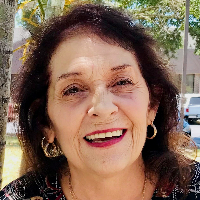

Chantelle Okoye
LPC
Arizona - 13 yrs exp









How gambling therapy works for Arizona residents
Gambling therapy is a focused form of counseling that helps you understand the patterns and consequences of gambling behavior and develop healthier ways to cope. In Arizona, therapists who work with gambling issues often combine evidence-informed techniques with practical strategies tailored to the local context - whether you live in a big metro area like Phoenix or in a smaller community. Initial sessions usually concentrate on building rapport, assessing the extent of gambling-related harm, and identifying immediate priorities such as financial stress, relationship strain, or emotional triggers. From there, a therapist will collaborate with you to set realistic goals and choose therapeutic tools that match your situation and preferences.
Finding specialized help for gambling in Arizona
When you look for a therapist specializing in gambling, consider both clinical expertise and practical fit. Many clinicians list experience with behavioral addictions, impulse control concerns, or co-occurring issues like anxiety and depression. You can narrow choices by checking for training in cognitive-behavioral approaches, motivational interviewing, or relapse prevention methods, as these are commonly used with gambling-related work. Geographic options vary across the state, so you can find practitioners in urban centers such as Phoenix, Tucson, and Mesa as well as in suburban neighborhoods. Some therapists also offer evening availability to accommodate shift work or family responsibilities common across Arizona.
What to expect from therapy sessions
Therapy typically moves at a pace that feels manageable to you. Early sessions often include assessment tools and candid conversations about gambling history, financial impact, and support systems. A therapist will work with you to identify triggers - these may be emotional, situational, or tied to social patterns - and to develop strategies for coping without gambling. You may practice skills to manage urges, restructure risky thinking, and plan for high-risk situations like sporting events or trips to casinos. Over time you will review progress and adjust plans as needed, with an eye toward long-term stability rather than quick fixes.
Therapeutic approaches commonly used
Cognitive-behavioral techniques help you examine the thought patterns that drive risky wagering and replace them with more balanced thinking. Motivational methods focus on strengthening your reasons for change and increasing readiness to act. Some therapists integrate family or couples work when gambling has affected relationships, and others include financial counseling referrals to address debt and budgeting. The choice of approach depends on your goals, whether you want short-term symptom relief or deeper work on underlying issues.
What online therapy for gambling looks like in Arizona
Online therapy expands access for people across Arizona, including those who live farther from urban centers or who prefer not to travel. Teletherapy sessions typically use video or phone calls and follow professional guidelines to protect client privacy and professional practice standards. Online work can be especially useful when you need flexibility around work hours or when you want to avoid triggers associated with certain in-person settings. Many therapists who offer remote care adapt their methods for virtual delivery, using digital worksheets, guided exercises, and regular check-ins to maintain momentum between sessions.
Benefits and considerations of online therapy
The convenience of online appointments allows you to maintain continuity of care even during busy weeks or travel. You may find it easier to attend sessions consistently, which supports better outcomes. At the same time, it is important to confirm that the therapist is licensed to practice in Arizona and to discuss how emergencies are handled, since response procedures differ when you are not meeting in person. Technology interruptions can sometimes occur, but many clinicians have backup plans and clear protocols to manage them. If you prefer face-to-face work, you can seek clinicians who offer in-person sessions in Phoenix or Tucson; otherwise remote options can broaden your choices while staying within Arizona practice regulations.
Signs someone in Arizona might benefit from gambling therapy
Indications that gambling could be causing harm include persistent financial difficulty, repeated attempts to quit that are unsuccessful, spending more time thinking about gambling than on other responsibilities, or using gambling to escape stress. You may notice strained relationships, problems at work, or legal troubles linked to betting activity. Emotional signs include feelings of guilt, restlessness when trying to stop, or a preoccupation that interferes with daily life. If these patterns sound familiar, seeking a therapist experienced with gambling-related concerns can help you assess the level of impact and plan practical steps forward.
Tips for choosing the right gambling therapist in Arizona
Start by clarifying what you want from therapy - whether it is short-term relapse prevention, long-term behavior change, family support, or assistance with financial recovery. Look for clinicians who list gambling specialization or experience with behavioral addictions, and consider their therapeutic orientation to see how it aligns with your preferences. You may value a therapist who offers a direct, skills-based approach, or someone who prioritizes compassionate exploration of underlying issues. Practical factors matter too - check availability, whether they offer evening or weekend sessions, and whether they provide online appointments if travel is a challenge. If you live in or near Phoenix, Mesa, or Tucson, you may want to compare local options for in-person work alongside remote alternatives.
Questions to ask during an initial contact
When you reach out, ask about the clinician's experience with gambling-related cases, typical approaches they use, and what a recommended treatment timeline might look like. Inquire about session frequency and payment options to ensure the plan fits your budget and schedule. You can also ask how they handle coordination with other supports, such as financial advisors or peer support groups. A short initial conversation can give you a sense of rapport and whether the therapist's style feels like a good match for your needs.
Local considerations and next steps
Arizona's communities vary in size and resources, so options in central Phoenix may differ from what is available in smaller towns. If you live outside major population centers, online therapy widens your access to clinicians who specialize in gambling issues. Many people find it helpful to combine individual therapy with community resources or support groups to build a broader network of encouragement. Taking the first step by browsing profiles and sending a message is often the most practical way to learn more. If you are ready, contact a therapist listed here to discuss your situation and set up a first appointment that fits your needs and schedule.
Finding help for gambling concerns is a process, and the right therapist can provide direction, coping tools, and steady support as you make changes. Whether you are in Phoenix, Tucson, Mesa, or elsewhere in Arizona, options exist to match different preferences and circumstances. Take your time to review profiles, ask questions, and choose someone whose approach feels right for your goals.