Find a Multicultural Concerns Therapist in Arizona
This page lists therapists in Arizona who specialize in multicultural concerns and culturally informed care. Browse the listings below to compare qualifications, languages, and approaches across Phoenix, Tucson, Mesa and surrounding communities.

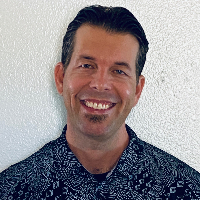
John Swearengin
LPC
Arizona - 40 yrs exp


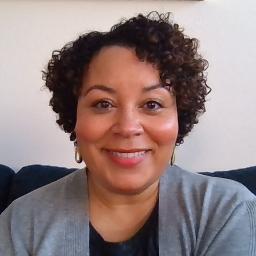
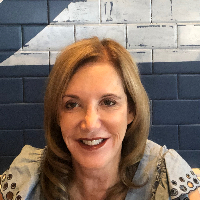

Chantelle Okoye
LPC
Arizona - 13 yrs exp


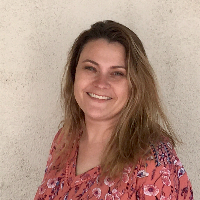
Joan Dewey
LCSW
Arizona - 28 yrs exp


How multicultural concerns therapy works for Arizona residents
Multicultural concerns therapy focuses on how culture, identity, migration, language, and social context shape experiences of stress, relationships, and belonging. In Arizona, those cultural dynamics may include intersections of Latinx heritage, Native American tribal identities, immigrant and refugee backgrounds, multiracial families, and a wide range of religious and regional traditions. Therapy in this specialty is designed to help you explore how culture influences the way you cope, communicate, and relate to others, and to support decisions that honor your values and background.
When you begin working with a multicultural concerns therapist in Arizona, expect conversations that explicitly consider cultural norms, intergenerational dynamics, and community context. A culturally informed clinician will ask about language preferences, family expectations, and experiences of bias or exclusion. They will also respect culturally specific healing practices and may integrate elements of your cultural strengths into the therapeutic process. The goal is not to pathologize culture, but to understand how identity contributes to challenges and resilience alike.
Culturally informed approaches
Therapists who focus on multicultural concerns draw from a range of therapeutic models while centering cultural awareness. You may encounter narrative approaches that honor personal stories, family systems work that accounts for collective decision making, or trauma-informed methods tailored for migration-related loss. In Arizona, clinicians often adapt their practices to reflect regional realities - for example, acknowledging the role of extended family networks, bilingual communication patterns, or the spiritual traditions of local communities. A good therapist will explain their approach and collaborate with you to shape interventions that fit your cultural framework.
Finding specialized help for multicultural concerns in Arizona
Start by considering what matters most to you in a therapist. Language ability, lived experience, training in cultural humility, and familiarity with specific community issues all matter. If you live in or near Phoenix, Tucson, Mesa, Scottsdale, or Chandler, you will typically find more options and possibly clinicians who offer in-person sessions as well as online appointments. Rural areas of Arizona may have fewer local providers, so online therapy can expand access. Read profiles carefully to learn about a clinician's cultural competencies, education, licensure, and the populations they serve.
When searching, look for providers who describe their experience with the specific cultural or identity concerns you want to address. Some therapists list language fluency, work with immigrant communities, or experience with tribal populations. Others emphasize training in culturally adapted evidence-based practices. If you are unsure what to prioritize, consider scheduling brief consultation calls - many therapists offer a short introductory conversation so you can assess fit before committing to ongoing sessions.
What to expect from online therapy for multicultural concerns
Online therapy increases access to clinicians who share or deeply understand your cultural background, especially when local options are limited. Through video or phone sessions you can connect with therapists across Arizona while remaining in a familiar environment. Expect many of the same therapeutic elements as in-person work - assessment, goal setting, exploration of cultural identity, and development of coping strategies - but delivered through remote communication. Be prepared to discuss privacy in your space, your preferred language, and any technological needs so sessions are effective.
Online formats can also offer flexibility if you balance work, family, or caregiving responsibilities. Some therapists provide asynchronous resources or text-based messaging between sessions, which may be helpful for processing cultural issues that come up in daily life. When choosing online care, confirm the clinician is licensed to practice in Arizona and understands local resources, laws, and community services that may be relevant to your situation.
Common signs someone in Arizona might benefit from multicultural concerns therapy
You might consider multicultural concerns therapy if you notice recurring stress related to cultural identity, frequent misunderstandings with family across generations, or feelings of isolation tied to being a minority in your workplace or neighborhood. Experiences of discrimination, microaggressions, or questions about how to pass on cultural traditions to children can also prompt a need for focused support. Migration-related challenges - such as adapting to new systems, grieving loss of homeland, or navigating bilingual parenting - are frequent reasons people seek culturally informed care.
Other indicators include difficulty integrating cultural values with personal goals, ongoing conflict about faith or customs, or a desire to explore identity in a way that feels supported rather than judged. Therapy can help you develop tools to manage stressors, strengthen communication with family members, and find ways to build community that honor your heritage. You do not need to be in crisis to seek help; many people use multicultural therapy for personal growth and to deepen self-understanding.
Tips for choosing the right therapist for this specialty in Arizona
Begin by clarifying what you hope to achieve in therapy and which aspects of culture are most important to your work. If language access is important, prioritize clinicians who list fluency in the language you prefer. When cultural identity and belonging are central concerns, look for therapists who mention training in cultural competency, multicultural counseling, or experience with specific populations such as Latinx, Indigenous, immigrant, or multiracial communities.
Consider practical matters as well. If in-person sessions matter to you, check whether a therapist practices in Phoenix, Tucson, Mesa, or another nearby city. If scheduling is tight, confirm availability for evening or weekend sessions, or whether the clinician offers online appointments that fit your routine. Ask about insurance acceptance, sliding scale fees, and whether the provider offers a brief consultation to discuss fit. During initial conversations, notice whether the therapist asks respectful questions about your cultural background, listens without making assumptions, and is willing to collaborate on goals that feel culturally appropriate.
Trust and rapport are important, and it is acceptable to change therapists if the fit is not right. Cultural matching can help, but it is not the only path to meaningful progress. Some clients benefit from therapists who share their background, while others prefer someone who brings an outside perspective with strong cultural competence. What matters most is that you feel heard, validated, and understood in the context of your cultural identity.
Next steps
Use the listings on this page to compare profiles and narrow choices by language, training, and areas of focus. Reach out to a few therapists for short consultations to get a sense of their style and how they approach multicultural issues. Whether you live in the urban center of Phoenix, the university communities of Tucson, the growing neighborhoods of Mesa, or elsewhere in Arizona, there are clinicians committed to culturally informed care. Taking the first step to connect with a therapist can help you navigate cultural stressors, strengthen relationships, and build strategies that align with your values and life in Arizona.