Find a Phobias Therapist in Arizona
This page lists therapists in Arizona who focus on phobias and anxiety-related fears, with profiles you can review by location and approach. Browse the listings below to compare clinicians, specialties, and availability so you can take the next step toward relief.


John Swearengin
LPC
Arizona - 40 yrs exp





Annette Church
LPC
Arizona - 20 yrs exp

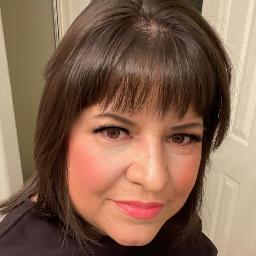


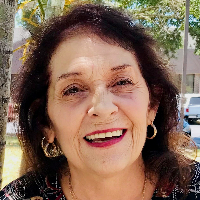

Chantelle Okoye
LPC
Arizona - 13 yrs exp







How phobias therapy typically works for Arizona residents
When you begin therapy for a phobia, the process usually starts with an assessment to understand how the fear affects your daily life. A skilled clinician will ask about the history of the fear, situations you avoid, and any physical or emotional responses you notice. From there, you and the therapist develop a plan that matches your goals - whether that means reducing avoidance, managing intense reactions, or restoring confidence in specific activities. Over time you practice skills in session and gradually apply them in real life so the fear loses its grip.
Because Arizona has a mix of urban and rural communities, access and logistics matter. If you live in Phoenix, Tucson, or Mesa you may find a wider range of specialists and clinic settings. If you are farther from large centers, online options and clinicians who travel between communities can make specialized care more accessible. Either way, the fundamental steps of assessment, treatment planning, skill building, and real-world practice tend to be consistent.
Common therapeutic approaches
Many therapists draw on cognitive behavioral therapy to help you notice and change thought patterns that intensify fear. Exposure-based methods are frequently used to help you confront feared situations in a controlled way, progressing from less challenging to more difficult experiences. Some clinicians blend techniques such as relaxation training or mindfulness to help you manage the physical sensations that accompany anxiety. Occasionally, other evidence-informed approaches are offered to suit individual needs. You and your therapist will consider your preferences, pace, and comfort level when choosing which methods to use.
Finding specialized help for phobias in Arizona
Locating a clinician who specializes in phobias means looking for experience with targeted interventions rather than general anxiety alone. You might search for terms like exposure therapy, cognitive behavioral therapy for phobias, or specific experience with social anxiety or situational fears. In larger metro areas such as Phoenix and Tucson you will likely encounter therapists who advertise this focus and present detailed descriptions of their methods. In Mesa and other suburban communities, smaller practices often offer skilled clinicians who collaborate with colleagues or refer to specialists when more intensive exposure work is needed.
When you search for help, pay attention to a therapist's training, years of experience, and any statements about their approach to phobias. Clinics affiliated with universities or training programs can be another path to specialized care, especially if you are seeking a clinician who is up to date on research-based techniques. If cost or scheduling is a concern, community mental health centers and sliding-scale options can expand your choices without sacrificing skill-focused treatment.
What to expect from online therapy for phobias
Online therapy can be an effective way to work on phobias, particularly for initial assessments and cognitive work. You can use video sessions to discuss triggers, learn coping strategies, and plan exposure exercises. Many therapists will coach you through at-home exposures while on a video call, guiding you through exercises and helping you monitor your reactions. Online options are especially helpful if you do not live near a specialist or if you prefer the convenience of connecting from home.
Keep in mind that some exposures require in-person work - for example, handling an animal or navigating a crowded public transit situation. In those cases, your therapist may combine online sessions with occasional in-person visits, or they may guide you to complete exercises in your own environment while checking in virtually. If you live in a more remote part of Arizona, a skilled online therapist can still offer structured support and a clear plan so you can practice safely and progressively.
Common signs you might benefit from phobias therapy
You may consider seeking help if you notice that fear limits where you go, how you socialize, or the activities you can tolerate. If you avoid travel to certain places, skip social events, or experience intense anxiety when confronted with a particular object or situation, therapy can give you tools to respond differently. Frequent physical symptoms such as heart racing, sweating, dizziness, or a sense of panic in trigger situations are also signs that targeted work could be helpful. Even when a fear seems manageable on its own, therapy can shorten the time you spend struggling and help you regain confidence more quickly.
Another common reason to pursue treatment is when avoidance begins to affect daily responsibilities - for instance, if you decline work tasks, avoid medical appointments, or change daily routines to steer clear of triggers. In metropolitan areas like Phoenix and Mesa, where you may encounter a variety of environments, building skills to cope with unpredictable situations can be especially valuable. Therapy helps you learn to test beliefs about danger, tolerate discomfort, and expand the range of activities you can do without overwhelming anxiety.
Tips for choosing the right therapist for phobias in Arizona
When evaluating clinicians, look for clear descriptions of their experience with phobias and the techniques they use. You might ask how often they use exposure-based methods and how they tailor pacing to a client’s tolerance. It is reasonable to inquire about training in cognitive behavioral approaches and whether they offer combined online and in-person sessions if that is important to you. Consider practical factors as well - proximity to your home or workplace in cities such as Tucson or Mesa, session formats, fees, and whether they accept your insurance if that matters.
Beyond credentials, pay attention to how a therapist talks about collaboration and consent. A good therapist will involve you in planning exposures, explain the rationale for exercises, and adjust the pace based on your responses. If you have cultural, language, or accessibility needs, seek a therapist who shows awareness and willingness to adapt. Trust your judgment about fit - an initial consultation can reveal whether a clinician’s style and communication make you feel understood and motivated to continue.
Practical questions to ask during a consultation
During a first call or session, you can ask how the therapist structures treatment for phobias, how progress is measured, and what homework or practice they expect between sessions. It is useful to ask about typical session length, how cancellations are handled, and what to do in the event of a high-anxiety moment between appointments. If you plan to use online sessions, clarify technology requirements and what platforms are used. These practical details help you choose a therapist whose approach fits your schedule and learning style.
Preparing for your first sessions and next steps
Before your first appointment, it helps to identify a few specific situations that trigger your anxiety and some goals you hope to achieve. This gives the therapist a clearer starting point and speeds up the development of a tailored plan. Bring notes about past attempts to manage the fear, medications you take, and any health conditions that might affect treatment. If you live in a busy area like Phoenix or commute through Chandler or Mesa, consider how session timing will work with your routine to reduce missed appointments and maximize consistency.
Following initial sessions, you and your therapist will likely set short-term goals and a schedule for exposures and skill practice. Progress tends to be gradual, with noticeable improvements as you repeatedly apply strategies to real-life situations. Keep in mind that setbacks happen and are part of learning; a compassionate clinician will use those moments to adjust the plan, not to criticize. If a therapist’s approach does not feel like a good fit, it is acceptable to seek a different perspective until you find someone who matches your needs.
Finding the right phobias therapist in Arizona involves balancing clinical experience, practical logistics, and personal fit. Whether you are in Phoenix, Tucson, Mesa, or another part of the state, there are paths to focused help that respect your pace and preferences. By learning about common approaches, understanding what online therapy can offer, and asking practical questions during consultations, you can make an informed choice and begin moving toward greater confidence in situations that used to feel limiting.