Find a Queer Friendly Therapist in Arizona
This page lists therapists across Arizona who identify as queer friendly and who offer culturally informed mental health care for LGBTQ+ people. Browse the listings below to find counselors near you in Phoenix, Tucson, Mesa and other communities.




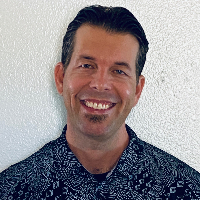
John Swearengin
LPC
Arizona - 40 yrs exp












How queer friendly therapy typically works for Arizona residents
When you search for a queer friendly therapist in Arizona you are looking for a clinician who understands the specific experiences that many LGBTQ+ people face - from coming out and relationship dynamics to minority stress and identity exploration. In practice this means therapists often use an affirming approach that centers your identity, respects your pronouns and chosen name, and recognizes the social and legal context of living in Arizona. Some therapists focus on gender-affirming care and transition-related support, others specialize in relationship and family work, and many combine culturally competent therapy with practical guidance for navigating services and resources in your community.
You will find both in-person and online options across urban and rural parts of the state. Cities like Phoenix and Tucson host larger clinics and more specialized providers, while places like Mesa, Scottsdale and Chandler offer convenient neighborhood options. In less populated areas you may rely more on telehealth to connect with clinicians who have specific queer-affirming experience.
Finding specialized help for queer friendly care in Arizona
To find a provider who fits your needs, begin by clarifying what kind of support you want. Do you want ongoing talk therapy to explore identity and emotions, short-term coaching to handle a particular stressor, or assistance with family conversations and coming out? Once you know your goals you can look for clinicians who list LGBTQ+ or queer-affirming experience on their profiles and who mention relevant training such as gender-affirming practices, trauma-informed care, or couples therapy. Local community centers, university counseling clinics and LGBTQ+ health resources often maintain referral lists specific to Arizona and can point you toward clinicians in Phoenix, Tucson and other centers.
Many therapists indicate their approach and specialties in their bios. Look for those who use inclusive language, note preferred pronouns, and describe experience with issues like gender transition, navigating discrimination, or working with queer clients across the lifespan. If you have particular needs - such as therapy in Spanish, experience with faith communities, or trauma-focused methods - include those in your search to narrow the field. You may also want to consider whether a therapist’s age, cultural background or life experience is likely to help you feel understood.
What to expect from online therapy for queer friendly care
Online therapy expands your options beyond your immediate city. If you live in a smaller Arizona town or prefer the convenience of remote sessions, video or telephone appointments make it possible to work with providers based in Phoenix, Tucson or elsewhere without commuting. When you choose online therapy you should confirm that the therapist is licensed to practice in Arizona, since state licensure rules determine who can legally provide clinical services to you. You can ask about the technical setup, what platforms are used for sessions, and how session notes or records are managed. Many therapists use encrypted video tools and protected recordkeeping so your interactions are kept discrete and treated according to professional standards.
Online sessions often follow a similar flow to in-person therapy - time to check in, work on goals, and practice coping strategies - but the modality can feel different. You may appreciate the flexibility of scheduling, easier access to specialists, and the option to join therapy from a place where you feel most comfortable. If you live in Phoenix or Mesa and prefer in-person visits, you may choose to mix online and face-to-face sessions depending on what works best for you.
Common signs you might benefit from queer friendly therapy
You might consider seeking a queer friendly therapist if you feel persistent stress related to your sexual orientation or gender identity, if you are struggling with coming out to family or friends, or if discrimination and identity-based stress are affecting your mood or relationships. People also seek queer-affirming therapy for support during gender transition, for help navigating relationship challenges, or when past trauma intersects with identity-related concerns. If you find yourself avoiding social situations, feeling isolated from other queer people, or experiencing confusion and distress about identity, a therapist with experience in LGBTQ+ care can help you explore these issues without judgment.
It is also common to seek therapy when external events - such as changes in local policy, workplace issues, or conflicts with loved ones - trigger anxiety or depression. Therapy can provide a space to develop coping strategies, build social support, and create a practical plan for managing stressors while honoring who you are. You do not need a crisis to benefit from therapy; many people pursue support to strengthen resilience and clarify personal goals.
Tips for choosing the right queer friendly therapist in Arizona
Choosing a therapist is a personal process. Start by reading profiles and noting clinicians who explicitly state they are queer friendly or LGBTQ+ affirming. Pay attention to whether they mention pronoun use, experience with name or gender marker changes, and familiarity with local resources in Arizona. If insurance is a factor, check whether a therapist accepts your plan or offers a sliding scale. You can arrange brief phone or video consultations to get a sense of their style and to ask specific questions about experience and approach. Ask about their familiarity with issues you care about - for example, work with trans or nonbinary clients, couples therapy for same-sex partners, or youth and family support. These initial conversations can help you assess whether you feel heard and respected.
Consider practical details alongside personal fit. Look at availability for appointments, whether evening or weekend sessions are offered, and how they handle cancellations and fees. If you live in a densely populated area like Phoenix or Tucson you may have more immediate options, while in smaller communities you may rely more on telehealth or find clinicians who split time between nearby cities. Trust your instincts; feeling comfortable during the first few sessions is an important indicator that the relationship will be helpful.
What happens during the first few sessions
Your initial sessions will typically focus on building rapport, discussing your current concerns, and setting goals for therapy. A clinician who is queer friendly will ask about your identity, pronouns, and preferred name so that records and interactions reflect your wishes. They will also ask about your support network, stressors, and what you hope to achieve in therapy. From there you will collaborate on a plan - whether that is short-term skill building, ongoing therapy, or connecting you with additional resources such as support groups, medical providers, or legal services available in Arizona.
Therapists may also discuss safety planning if you are experiencing immediate risk or significant distress, and they will explain how to reach them between sessions when necessary. You can expect a respectful space to explore sensitive topics and to receive practical recommendations tailored to your situation and goals.
Paying for therapy and finding affordable care in Arizona
Payment options vary. Many therapists accept private insurance and can tell you whether they are in-network. If you prefer not to use insurance, ask about self-pay rates and whether sliding scale fees are offered. Community mental health clinics, university training clinics, and LGBTQ+ centers sometimes provide lower-cost services or group programs. You can also look for grant-funded projects or nonprofit organizations in Phoenix and Tucson that support mental health care for LGBTQ+ populations. When cost is a concern be upfront about your budget during initial contact so providers can suggest alternatives or refer you to more affordable options.
Taking the next step
Starting therapy can feel like a big step, but you do not have to navigate it alone. Use the listings above to reach out to clinicians who match your needs, and remember that it is okay to try a few therapists before settling on the one who feels right. Whether you live in a metro area like Phoenix or Tucson or in a smaller Arizona community, queer friendly therapists are available to help you explore identity, relationships and coping strategies in a way that honors your experience. Reach out when you are ready and take the next step toward getting the support you deserve.