Find a Narrative Therapy Therapist in Arizona
Narrative Therapy is a collaborative approach that helps people reframe and reshape the stories that influence their lives. Browse experienced Narrative Therapy practitioners across Arizona below to learn about their methods and availability.





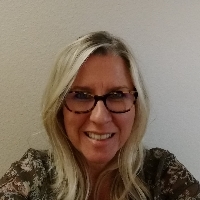

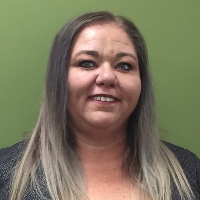

Heather Scarbrough
LMFT
Arizona - 10 yrs exp
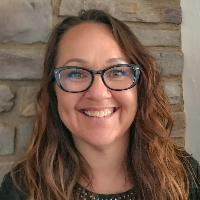



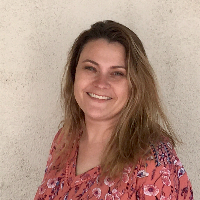

Lynda Woods
LCSW
Arizona - 12 yrs exp



What Narrative Therapy Is and the Principles Behind It
Narrative Therapy is based on the idea that the stories you tell about your life shape how you feel and act. Rather than seeing difficulties as fixed traits, this approach separates the person from the problem so you can examine how narratives develop and how they can be rewritten. Therapists work with you to identify dominant stories that may limit your choices, uncover overlooked strengths, and craft alternative narratives that reflect your values and goals.
The core principles emphasize collaboration, curiosity, and respect for your expertise in your own life. You and the therapist become co-authors of a new version of your story. Language matters, so attention is paid to how events are described and the meanings attached to them. Cultural context, family history, and social influences are all considered important in shaping personal narratives.
How Narrative Therapy Is Used by Therapists in Arizona
In Arizona, therapists use Narrative Therapy in a variety of settings including private practices, community clinics, and educational environments. Practitioners adapt the approach to fit the diverse needs of people living in urban centers such as Phoenix, Tucson, Mesa, Scottsdale, and Chandler as well as smaller towns across the state. You will often find therapists blending narrative practices with other therapeutic approaches to address specific concerns while preserving the narrative focus on meaning and identity.
Therapists in Arizona tend to emphasize cultural sensitivity and local context. Whether you live in a busy neighborhood in Phoenix or a quieter area outside Tucson, a Narrative Therapy practitioner will consider how your environment, cultural background, and community relationships shape the narratives you carry. This perspective can make therapy especially relevant when you are navigating life transitions, cultural shifts, or intergenerational dynamics.
What Types of Issues Narrative Therapy Is Commonly Used For
People choose Narrative Therapy for many reasons, often when they want a greater sense of agency or clarity about the stories that influence their behavior. It is commonly used for relationship challenges, anxiety, depression, grief, identity exploration, and life transitions. The approach can be helpful when you feel defined by a single problem label and want to explore a more nuanced sense of self.
Narrative Therapy is also frequently used in family and couples work because it encourages shared storytelling and helps uncover how family narratives can affect roles and expectations. Therapists apply narrative methods to support parents, caregivers, and young adults as they renegotiate roles after events such as relocation, job changes, or blending families. In community settings, the approach may be used to address how social narratives affect mental health and to foster collective meaning-making.
What a Typical Narrative Therapy Session Looks Like Online
Online Narrative Therapy sessions in Arizona often begin with a conversational tone where the therapist asks about your current concerns and the stories that accompany them. You can expect a focus on listening and reflection rather than directive advice. The therapist may invite you to describe events in detail, explore alternative interpretations, and notice recurring themes that might be limiting your sense of possibility.
Sessions frequently include externalizing conversations where the problem is talked about as something separate from you. Instead of saying you are "anxious person," you and the therapist might speak about "the anxiety" and how it shows up in particular situations. This shift makes it easier to explore how the problem started, what makes it stronger, and times when it has less influence. Online sessions allow you to participate from a comfortable environment at home or another space that supports focused reflection. Many people appreciate the continuity that virtual sessions provide, especially if you live in a more remote part of Arizona or have a busy schedule that makes travel difficult.
Therapists often use written or audio reflections between sessions to help solidify new narratives. You might be encouraged to keep a journal, record stories of resilience, or create letters that mark meaningful changes. These artifacts become part of the therapy process and help you track how new narratives take shape over time.
Who Is a Good Candidate for Narrative Therapy
You may be a good fit for Narrative Therapy if you are curious about the stories that shape your life and motivated to explore new perspectives. This approach tends to work well for people who prefer a reflective, collaborative method to therapy and who want to play an active role in crafting alternative ways of understanding themselves. It can be especially helpful if you feel boxed in by labels, repeated patterns, or cultural expectations and want to identify overlooked strengths.
People of many ages and backgrounds find Narrative Therapy useful. If you are experiencing relationship difficulties, questioning aspects of identity, coping with loss, or facing major life transitions, narrative work can provide tools to make sense of those experiences in a way that aligns with your values. It is not limited to any single diagnosis or problem; rather, it is an approach that helps you change the story you live by.
How to Find the Right Narrative Therapy Therapist in Arizona
Finding a therapist who fits your needs involves more than just location. Start by considering whether you prefer in-person or online sessions, and whether you want a therapist with experience in certain cultural, family, or age-related contexts. When you review profiles, look for descriptions of narrative practices, examples of typical work, and any specializations that resonate with your situation. You may also want to check whether therapists mention experience integrating narrative methods with other therapeutic tools that you find helpful.
Geography matters when scheduling in-person visits. If you live in Phoenix or Mesa, you may have greater access to a range of practitioners and appointment times. In Tucson and Scottsdale you may find therapists with particular expertise in family or community-centered work. If you are in Chandler or another city, online sessions can expand your options so you can connect with therapists whose approach feels right for you even if they are not nearby.
It is normal to try a few sessions with a therapist before deciding if the fit is right. A good therapist will be open about their approach, answer questions about how they use Narrative Therapy, and collaborate with you to set goals. Trust your instincts about communication style, tone, and whether the therapist encourages you to explore your story in ways that feel empowering.
Practical Tips for Reaching Out
When you contact a therapist, prepare a brief note about what you hope to address and ask about their experience with narrative work. Inquire about session length, frequency, fees, and whether they offer online appointments. If you have scheduling needs related to work or family, mention those so you can find a match who can accommodate your availability. Being clear about your priorities up front helps you narrow down options and choose a therapist who can support the changes you want to make.
Narrative Therapy offers a thoughtful path for reexamining the stories that guide your life. Whether you are exploring identity, coping with change, or seeking new ways to relate to others, a Narrative Therapy practitioner in Arizona can help you discover alternative narratives that open up possibilities. Take your time to review profiles, read about approaches, and reach out when you find a therapist whose style and experience align with your needs.