Find an Aging and Geriatric Issues Therapist in Arkansas
This page highlights therapists across Arkansas who specialize in aging and geriatric issues, including support for memory changes, caregiving challenges, grief, and life transitions. Use the listings below to compare specialties, treatment approaches, and availability to find a good match for you or a loved one.

Morganne Brown
LCSW
Arkansas - 8 yrs exp










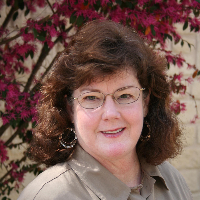

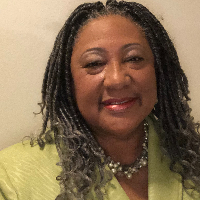

Michelle McHugh
LICSW, LCSW
Arkansas - 23 yrs exp








How aging and geriatric issues therapy works for Arkansas residents
When you begin looking for therapy focused on aging and geriatric issues, you will find clinicians who combine training in later-life mental health with practical experience working with older adults and families. Therapy in this area often addresses emotional adjustment to retirement, coping with chronic illness, mood changes related to life transitions, and the stress that comes with caregiving roles. Sessions may involve the older adult alone, family members together, or caregivers who need guidance on communication and boundaries. Therapists aim to help you develop tools to manage day-to-day challenges, strengthen relationships, and improve quality of life without making medical claims or promises of specific outcomes.
Local care options and settings
Across Arkansas you can access aging-focused therapy in a variety of settings. Urban centers like Little Rock, Fort Smith, and Fayetteville typically offer a wider range of specialists with experience in geriatric assessment and family therapy. In smaller towns and rural areas, clinicians may provide more generalized older-adult services, often coordinating with primary care providers or community programs. Many practitioners also offer in-home visits or work closely with assisted living and memory care staff when face-to-face meetings are needed. Whether you prefer an office visit or a session that includes family members, you can find approaches that fit your circumstances.
Finding specialized help for aging and geriatric issues in Arkansas
To find a therapist who understands the nuances of later-life concerns, start by looking for clinicians who list geriatric training, experience with dementia-related changes, or work with caregivers and families. You can narrow your search based on approach - some therapists focus on cognitive-behavioral techniques for mood and anxiety, while others emphasize life review, grief work, or skills for caregiver resilience. Licensing credentials such as licensed professional counselors or licensed clinical social workers indicate formal training and oversight. It is helpful to review profiles for experience with issues that matter to you, such as memory support, end-of-life planning conversations, or transitions from independent living to assisted housing.
Working with local resources
When you connect with a therapist in Arkansas, they may suggest community resources that complement therapy. Senior centers, caregiver support groups, and local aging services can provide practical assistance and peer connection. Therapists often coordinate with medical teams, case managers, or social workers to address the full range of needs you or your family may face. If you live near larger hubs like Little Rock or Fayetteville, you may find specialized programs or clinics focused on geriatric mental health. In smaller communities, therapists frequently build collaborative relationships with primary care providers to ensure care feels integrated.
What to expect from online therapy for aging and geriatric issues
Online therapy can be an important option in Arkansas, particularly for people who have mobility challenges, transportation barriers, or live in rural areas. When you choose online sessions, expect to use video or phone meetings that follow a similar therapeutic structure to in-person visits. Therapists will typically ask about your goals, daily routines, health concerns, and the support you already have. Sessions can include family members who live elsewhere, which makes it easier to involve adult children in care planning or education. If technology is new to you, many clinicians offer step-by-step guidance on how to connect and recommend settings that help you focus and feel comfortable during sessions.
Practical considerations for teletherapy
Before starting online therapy, check whether your therapist accepts your insurance or Medicare plan and clarify fees for virtual visits. Ask about session length, how to reach the clinician between sessions if needed, and procedures for urgent situations. You should also confirm the platform and any memory or device requirements so sessions run smoothly. Online therapy is not a substitute for medical care, so therapists will often coordinate with physicians for issues that require medical attention. For many Arkansas residents, combining online visits with occasional in-person meetings offers flexibility while keeping consistent therapeutic support.
Common signs that someone in Arkansas might benefit from aging and geriatric issues therapy
You might consider therapy if you or a loved one are experiencing persistent changes in mood, withdrawal from usual activities, or growing frustration with everyday memory and organization. Increasing confusion about medications, repeated missed appointments, or concerns from family members about safety at home can signal that additional support would be helpful. Caregivers often benefit from therapy when stress, guilt, or exhaustion start to interfere with their ability to care for themselves or others. Life transitions - such as retirement, loss of a spouse, relocation, or changes in health status - also commonly prompt people to seek support for adjustment and coping strategies.
When family members are involved
Family dynamics frequently shape the decision to seek therapy. If conversations about care arrangements, finances, or living situations become heated or avoidant, a therapist can help mediate those discussions and create practical plans. You may also find it useful to bring family members to sessions to align on expectations, learn better communication techniques, and develop routines that reduce stress for everyone. Therapists can help you prepare for care transitions and support both the older adult and the family through periods of change.
Tips for choosing the right therapist for aging and geriatric issues in Arkansas
When selecting a therapist, look beyond simple titles and read about their experience with older adults and caregiver work. Ask about specific experience with concerns that match your situation, such as cognitive changes, grief, or chronic health challenges. Inquire about the therapist's approach to involving family members and coordinating with medical teams. Consider practical matters too - whether they offer in-person appointments near Little Rock, Fort Smith, or Fayetteville, whether they provide online sessions that fit your schedule, and what their availability is like for follow-up or urgent questions.
Assessing fit and accessibility
Trust your instincts about fit after an initial consultation. You should feel heard and have a sense that the therapist understands the unique stressors you face. Accessibility matters as well - ask about parking, building access, or the option of home visits if mobility is limited. If cost is a concern, discuss sliding scale options or community mental health programs that may offer reduced fees. It is reasonable to ask a clinician how they measure progress and what you might expect over the first few sessions. Clear communication about logistics and approach helps ensure you get the support that works for you.
Moving forward with care
Seeking therapy for aging and geriatric issues is a proactive step toward improving daily life and relationships. Whether you live near urban centers or in a rural part of Arkansas, there are therapists who focus on the emotional and practical aspects of aging. By clarifying your goals, checking credentials and experience, and considering both in-person and online options, you can find a clinician who helps you navigate this stage with greater confidence. If you are supporting a loved one, remember that help for caregivers can be just as important as help for the person receiving care. Start with a profile review on this page and reach out to a few therapists to explore who feels like the best match for your needs.