Find a Black Therapist in Arkansas
This page highlights Black Therapist practitioners serving Arkansas residents, with options across metropolitan and rural communities. Explore the listings below to compare approaches, locations, and availability before reaching out.
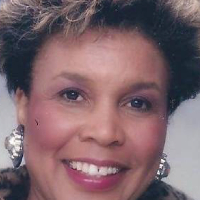
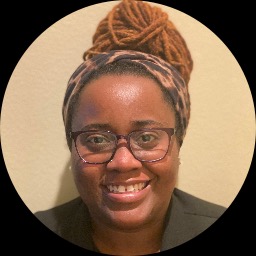
Catherine Towne-Coleman
LPC
Arkansas - 41 yrs exp












How Black Therapist therapy works for Arkansas residents
If you are seeking therapy that understands the cultural context of being Black in Arkansas, a Black Therapist may offer perspectives shaped by shared experiences and cultural knowledge. Therapy typically begins with an intake conversation where the therapist asks about your background, current concerns, and your goals for care. From there, you and the clinician will agree on a plan of care - this may include regular talk sessions, skill-building work for managing stress, or approaches tailored to trauma, grief, relationships, or identity exploration. Sessions can take place in-person at a practice near you or online, which can be helpful if you live outside larger cities or have limited travel options.
Finding specialized help for Black Therapist in Arkansas
Searching for the right specialist often starts with clarifying what matters most to you. Some people prioritize shared racial or cultural identity, while others look for experience with specific issues such as racial trauma, intersectional identity, family dynamics, or faith-informed counseling. Licensing also matters - counselors, social workers, marriage and family therapists, and psychologists each hold different credentials and training. You can filter listings by location if in-person visits are preferable, or by telehealth availability if convenience is a priority. Major population centers such as Little Rock, Fayetteville, Fort Smith, and Springdale tend to have more in-person options, while people in smaller towns may rely more on online appointments to access a clinician with the right cultural fit.
Local considerations
Your location in Arkansas influences logistics and offerings. If you live in or near Little Rock you may find clinicians with a range of specializations and clinic settings. In Fayetteville and the northwest region you might find professionals who also work with university communities. Fort Smith and surrounding areas can offer experienced practitioners who serve military families or multi-generational households. If travel or scheduling is a barrier, many therapists provide video sessions, which let you connect with clinicians statewide while maintaining continuity of care.
What to expect from online therapy for Black Therapist
Online therapy can be an effective way to access culturally focused care when in-person options are limited. When you choose remote sessions, expect to complete initial paperwork and consent forms electronically. The first few meetings will likely focus on building rapport and establishing goals. Online sessions work best when you have a quiet, comfortable place to talk and a reliable internet connection. Therapists will discuss how they handle privacy and recordkeeping, and they should explain their policies about emergencies and crisis management in Arkansas. If you plan to use insurance, check whether the therapist accepts your plan and whether telehealth visits are covered.
Technology and etiquette
Video visits require a camera and microphone, and many therapists also offer phone-only sessions when video is not possible. You can expect guidance from the therapist about session start times, what to do if a connection drops, and how to prepare emotionally for a remote encounter. Some people find online therapy frees up time otherwise spent traveling, while others prefer the in-person dynamic of a treatment room. Either way, you should feel able to discuss the format honestly with a prospective clinician and switch to a different arrangement if needed.
Common signs someone in Arkansas might benefit from Black Therapist therapy
People seek culturally attuned therapy for many reasons. You might notice persistent feelings of sadness, anxiety, or exhaustion that interfere with daily life. Relationship strain, difficulties parenting across generational differences, or recurring patterns of conflict can motivate a visit. For many Black Arkansans, experiences connected to racial stress, discrimination, or intergenerational trauma feel distinct and may be best addressed with a therapist who understands those dynamics. Life transitions such as relocation, job changes, or navigating higher education can also prompt the desire for professional support. If coping strategies that used to work are no longer effective, or if you feel isolated in the way you process cultural stressors, therapy can offer new perspectives and tools.
Tips for choosing the right therapist for this specialty in Arkansas
Begin by defining the qualities that matter most to you. Decide whether shared cultural identity is essential, or whether specific clinical experience is a priority. Read therapist profiles to learn about training, therapeutic approaches, and areas of emphasis. When you contact a clinician, use the first call or brief consultation to ask about their experience working with Black clients, how they approach racial stress, and what techniques they commonly use. Inquire about practical details such as fees, insurance options, session length, and average wait times for new clients.
Trust and fit
Rapport is central to progress in therapy. Trust may develop differently depending on whether you meet in person or online, and it is acceptable to try a few sessions to evaluate the fit. If something in the approach does not feel right, you can discuss adjustments or seek another practitioner. Some people look for clinicians who integrate cultural strengths, community context, or faith perspectives into their work. Others search for specific modalities such as trauma-informed therapy, cognitive-behavioral techniques, or family systems work. Asking about these topics up front helps you decide if the match is likely to be productive.
Practical next steps and resources in Arkansas
After reviewing listings, reach out to a few therapists to compare responses and availability. Many clinicians offer a short phone consultation at no charge so you can ask about approach, experience, and logistics. Consider whether weekend or evening appointments are needed to fit your schedule, or whether an hourly structure or sliding scale makes treatment more manageable. If you are part of a community organization, university, or workplace in Little Rock, Fayetteville, Fort Smith, or Springdale, you may find referrals from local networks that understand the regional culture and resources.
Preparing for your first session
Before your first appointment, think about what you hope to address and any questions about therapy that feel important. Gathering information about previous treatment, current medications, and relevant medical history can save time during intake. If using insurance, have your plan details ready to discuss coverage. Plan to give yourself time after the session to reflect on how the interaction felt and whether the therapist’s style aligns with your expectations.
Finding the right Black Therapist in Arkansas can be an important step toward addressing personal, relational, or culturally specific concerns. Use this directory to read profiles, compare specialties, and reach out for consultations. With a thoughtful search and clear questions, you can identify a practitioner who helps you move toward the goals that matter most in your life.