Find a Forgiveness Therapist in Arkansas
This page highlights therapists in Arkansas who specialize in forgiveness work, with options for both in-person and online care. Browse the listings below to find clinicians who match your needs and location.

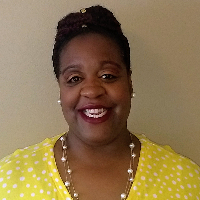
Morganne Brown
LCSW
Arkansas - 8 yrs exp
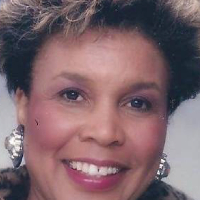
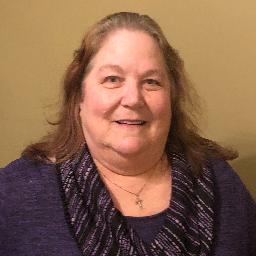
Catherine Towne-Coleman
LPC
Arkansas - 41 yrs exp

















How forgiveness therapy works for Arkansas residents
Forgiveness therapy is a focused form of counseling that helps you explore hurt, resentment, and the meaning of forgiveness in your life. In Arkansas, therapists may blend evidence-informed approaches such as cognitive and emotion-focused techniques, mindfulness practices, and narrative work to help you process what happened, manage strong emotions, and consider whether and how forgiveness fits your values and goals. The work is not about forcing reconciliation or minimizing harm - it is about helping you make deliberate choices that reduce the burden of anger and bitterness so you can move forward in a way that feels right for you.
Sessions often begin with an assessment of the relationship to the harm - whether it involves family, friends, workplace issues, or community conflicts - and an exploration of your expectations. Over time you and your therapist will work to identify patterns of thought and behavior that keep resentment active, practice new ways of relating to memories and triggers, and develop strategies to protect your well-being while you make decisions about boundaries and contact.
Common techniques used in forgiveness work
Therapists in Arkansas typically use a combination of reflective exercises and skill-building. You might use guided imagery to revisit a painful memory with a greater sense of safety, expressive writing to articulate emotions and clarify intentions, or role-based practices to see the situation from multiple perspectives. Cognitive tools help you examine beliefs that maintain anger, while emotion regulation strategies teach ways to soothe intense feelings without acting on them. The goal is practical - to reduce the emotional load so you can focus on the relationships and life choices that matter most.
Finding specialized help for forgiveness in Arkansas
When you search for a therapist who focuses on forgiveness, you want someone who understands both the therapeutic approaches and the cultural contexts of Arkansas communities. Look for clinicians who list forgiveness, grief, trauma, or relational work as areas of focus. You can narrow your search by city if location matters - Little Rock and Fayetteville tend to have a broader selection of specialists, while Fort Smith and Springdale may offer therapists with strong community ties and experience with local family dynamics.
Licensing matters because it tells you that a clinician has met state education and practice standards. Typical credentials you will see in Arkansas include licensed professional counselors, licensed clinical social workers, and psychologists. You can ask prospective therapists about their experience with forgiveness-related work, how they approach cases similar to yours, and what a typical course of treatment looks like. A clear conversation about goals and methods early on will help you decide whether a particular clinician is a good fit.
Where to look and what to ask
Start by scanning therapist profiles for terms like forgiveness, relational healing, anger management, or trauma-informed care. Read bios for details on approach, training, and populations served. When you reach out, ask what techniques they use for forgiveness work, how they structure sessions, and whether they offer a mix of short-term and longer-term support. Also inquire about availability in your city - some clinicians offer weekday evenings which can be helpful if you work during traditional hours.
What to expect from online therapy for forgiveness
Online therapy expands access to forgiveness specialists across Arkansas, letting you connect from home or another comfortable environment. Many therapists offer video sessions, which allow visual and verbal interaction similar to in-person work, and some provide phone-only or messaging options for added flexibility. Online therapy is particularly useful if you live outside a metropolitan area or prefer to see a clinician who practices in a different city, such as when you want someone with a specific approach who may not be available locally.
In an online setting you can still engage in experiential practices, complete written assignments, and use digital tools for tracking progress between sessions. You should expect to discuss logistics at the start - how sessions are scheduled, what to do if tech problems arise, and how the therapist handles records and communications. Ask whether they have experience doing forgiveness work remotely and how they adapt exercises that are typically done in person.
Common signs you might benefit from forgiveness therapy
There are several situations where forgiveness-focused therapy can be helpful. You might find yourself replaying the same incident in your mind and feeling unable to move past it. You may notice persistent anger that affects your relationships or your sleep. Sometimes people seek help when a past wrong interferes with trust, parenting, or the ability to form new connections. If you are stuck between wanting to forgive and feeling that doing so would betray your own needs, a therapist can help you sort through those conflicting impulses and identify a path forward.
Forgiveness work is also relevant after betrayal, infidelity, or when you are coping with harm from institutions or communities. Even when you choose not to reconcile with the person who hurt you, therapy can support a process of letting go of destructive rumination so your life does not become defined by the harm.
Tips for choosing the right therapist for this specialty in Arkansas
Choosing the right therapist involves more than credentials - it is about connection and practical fit. Pay attention to whether you feel heard during an initial consultation and whether the therapist describes a clear framework for forgiveness work that resonates with you. Consider practical factors such as session cost, whether they accept your insurance, and whether their hours align with your schedule. If you live in or near Little Rock, Fort Smith, Fayetteville, or Springdale, you may prefer someone who understands the local culture and resources, though online options give you more flexibility to work with specialists across the state.
It is okay to meet with a few clinicians before making a decision. Notice how comfortable you feel discussing sensitive material, whether the therapist offers concrete steps and measurable goals, and whether their pace matches your readiness. Trust your sense of whether the therapist balances empathy with clear guidance - that balance often predicts a productive therapeutic relationship for forgiveness work.
Practical considerations and next steps
Think about logistics before you commit. Decide whether in-person sessions matter for you or whether an online format is acceptable. Check whether appointment times, fee structure, and cancellation policies fit your needs. If you have cultural or faith-based considerations, look for therapists who note experience working with similar backgrounds, or who are willing to integrate spiritual perspectives when appropriate.
Finally, remember that forgiveness is a personal decision and a process rather than a single event. Your therapist's role is to support you as you make choices that align with your values and protect your emotional well-being. If you are ready to begin, use the listings on this page to contact clinicians in Arkansas, read their profiles, and schedule an initial conversation to find the right match for your journey.