Find a Hospice and End-of-Life Counseling Therapist in Arkansas
This page helps you find hospice and end-of-life counseling therapists who serve Arkansas, with options for online and local care. Browse the listings below to compare clinicians who specialize in grief, caregiver support, and end-of-life adjustment.

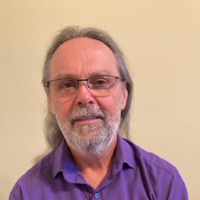
Morganne Brown
LCSW
Arkansas - 8 yrs exp




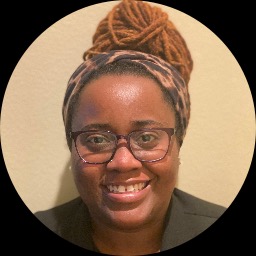




Glenna Rodgers
LPC
Arkansas - 27 yrs exp







How hospice and end-of-life counseling works for Arkansas residents
Hospice and end-of-life counseling focuses on emotional, relational, and practical concerns that arise when someone faces a terminal illness or the final months of life. In Arkansas, counselors who specialize in this area often work alongside hospice teams, palliative care services, hospital social workers, and faith leaders to provide coordinated support. You may turn to counseling at different points - when a diagnosis first raises questions about meaning, during symptom changes that increase stress, or after a death as you adjust to loss. Therapy can address anxiety about dying, family communication about care preferences, anticipatory grief, and the complex emotions of caregivers.
Settings you might encounter
Your sessions can take place in several settings depending on the clinician and your needs. Many therapists offer in-person visits at practices or community mental health centers, which can be useful if you prefer face-to-face conversation or need family sessions. Others provide online sessions, which make it easier to connect when you live outside urban centers or when mobility is limited. Some counselors also visit patients in long-term care facilities, hospice residences, or hospitals when arrangements allow. If you are coordinating care with a hospice program, your counselor may attend interdisciplinary meetings or consult with medical staff to align emotional and practical supports.
Finding specialized help for hospice and end-of-life counseling in Arkansas
When you begin searching for a hospice and end-of-life therapist in Arkansas, start by identifying clinicians who list experience with grief, terminal illness, caregiver stress, or advanced illness support. Referrals from hospice agencies, primary care providers, palliative care teams, and hospital social workers are often practical starting points. Community organizations and faith-based groups may also connect you with counselors who understand local cultural and spiritual needs. If you live near Little Rock, Fayetteville, or Fort Smith, you will likely find a wider range of specialists, but rural counties across Arkansas also have experienced clinicians who provide telehealth to bridge distance.
Questions to ask when you reach out
When you contact a potential therapist, ask about their experience with end-of-life issues, the types of patients they have worked with, and whether they offer support for caregivers and bereavement. Inquire how they coordinate with hospice or medical teams if that collaboration matters to you. You can also ask about session length, fees, insurance participation, sliding scale options, and whether they offer family meetings or support groups. An initial conversation will help you gauge whether the therapist’s approach and communication style match what you and your family need.
What to expect from online therapy for hospice and end-of-life counseling
Online therapy can be an accessible and effective option if travel, health limitations, or distance make in-person visits difficult. With virtual sessions, you typically meet over video or phone in regular intervals set by you and the clinician. A comfortable audio and video connection allows you to maintain rapport and observe nonverbal cues, while phone sessions can be an alternative when bandwidth is limited. Plan to join sessions from a quiet area and a private space so you can speak openly. If family members will participate, coordinate the technology and location ahead of time so everyone can join smoothly.
Expect the therapist to use many of the same evidence-informed approaches they would use in person - supportive listening, meaning-centered conversations, guidance for difficult conversations with loved ones, and techniques to manage stress and grief. Online therapy also allows for flexible scheduling and can make it easier to include distant relatives in sessions when family dynamics are part of the work. If you are coordinating care with hospice, ask the therapist how they will communicate with your care team and how that coordination will affect session content and goals.
Common signs that someone in Arkansas might benefit from hospice and end-of-life counseling
You might consider counseling if you or a loved one experiences persistent worry about the dying process, difficulty making or communicating care decisions, or a growing sense of isolation as illness progresses. Caregivers often seek therapy when the emotional or physical demands of caregiving begin to interfere with daily functioning, or when grief and anticipatory loss become overwhelming. Families may also reach out after a diagnosis if they are unsure how to start conversations about advance preferences or if there is conflict about treatment choices. Following a death, many people find counseling helpful if they struggle with prolonged grief, confusing emotions, or disruptions to sleep, appetite, and relationships.
Geography can influence how timely help is. Residents near Little Rock or Fayetteville can often access specialized programs faster, while those in more remote counties may rely on telehealth to find a clinician with the right expertise. If symptoms of distress are interfering with work, caregiving, or daily life, that is a strong signal that a therapy consultation could be beneficial.
Tips for choosing the right therapist for this specialty in Arkansas
Start by clarifying what you need - emotional processing, help talking about wishes with family, caregiver coping strategies, or bereavement care after a loss. Look for therapists who explicitly note experience with end-of-life issues, grief work, and coordination with hospice or palliative services. Credentials and licensure matter, so verify that the clinician is licensed in Arkansas. You may also want someone who understands cultural and spiritual values common in your community, whether you live near Fort Smith, in central Arkansas, or in a smaller town.
Consider practical factors such as availability for urgent conversations, whether they offer evening or weekend times, and their approach to involving family members. Many therapists offer a brief phone consultation at low or no cost; use that to assess rapport and whether their communication style feels supportive. If you rely on insurance, check network participation and any preauthorization requirements. If cost is a concern, ask about sliding scale fees, community programs, or local nonprofit resources that provide grief support.
Thinking about cultural and spiritual fit
End-of-life conversations often touch on values, faith, and meaning. If spiritual perspectives matter to you, seek therapists who respect and understand those traditions or who are open to collaborating with chaplains and faith leaders. In Arkansas communities, faith and family frequently shape how people approach dying and mourning, so a therapist who honors those contexts will likely be more helpful. You should feel comfortable bringing up cultural or religious preferences during that initial consultation.
Making the first step
Reaching out for hospice and end-of-life counseling can feel daunting, but most clinicians expect that first contact to be tentative and exploratory. You can begin by reviewing profiles in this directory, contacting hospice or palliative care teams for recommendations, or asking your primary care provider for a referral. If distance is a barrier, expand your search to include therapists who offer telehealth. Once you schedule an initial session, prepare by reflecting on immediate concerns and what you hope to accomplish in therapy - it helps the therapist tailor their approach and make the earliest sessions productive.
Whether you are seeking support for yourself, a loved one, or a family that needs guidance through difficult conversations, hospice and end-of-life counseling can offer practical tools and emotional support. In Arkansas settings from Little Rock to Fort Smith and beyond, compassionate clinicians are available to help you navigate this challenging chapter with clarity and care.