Find an Infidelity Therapist in Arkansas
This page connects you with therapists in Arkansas who focus on infidelity recovery and relationship rebuilding. Use the listings below to compare clinicians by approach, location, and availability, then reach out to schedule a consultation.





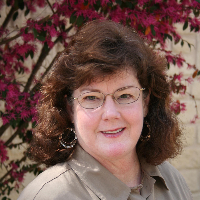








Janice Suskey
LPC, LMHC
Arkansas - 20 yrs exp




How infidelity therapy works for Arkansas residents
If you are dealing with the aftermath of an affair, therapy can offer a structured path through confusion, hurt, and decisions about the future. Therapists who specialize in infidelity typically begin with a careful assessment of what happened, how both partners are responding, and what each person hopes to achieve - whether that means repairing the relationship, establishing new boundaries, or choosing to separate with clarity and respect. Sessions may be offered to you individually or with your partner, depending on safety, readiness, and the therapist's approach. You should expect an emphasis on improving communication, understanding emotional triggers, and building practical skills to manage trust and intimacy over time.
Typical first steps
In an initial session you will usually review the immediate concerns, recent events, and any safety considerations. The therapist will explain how they work with infidelity cases and outline a plan for assessment and treatment. That plan often involves a mix of emotion-focused work, cognitive strategies to reduce reactive patterns, and concrete behavioral steps to restore or reframe the relationship. If you live in a more rural part of Arkansas you may find therapists who provide longer intake appointments so there is room to tell the whole story without feeling rushed.
Finding specialized help for infidelity in Arkansas
When you search for help in Arkansas, consider clinicians who list infidelity or betrayal trauma as a focus. Licensure matters - look for providers who are Licensed Professional Counselors, Licensed Clinical Social Workers, or Licensed Marriage and Family Therapists, and be sure they are authorized to practice in Arkansas. You can refine your search by location if you prefer in-person sessions in Little Rock, Fort Smith, or Fayetteville, or by availability if you need evening or weekend appointments. Many therapists also describe their experience working with faith-based concerns, LGBTQ clients, or multicultural issues - details that can help you find someone who respects your values and background.
Local and regional considerations
Arkansas has a mix of urban centers and tight-knit communities, and that context can affect your preferences for therapy. In cities like Little Rock and Fayetteville you may find a larger pool of specialists and clinics that offer couple-focused programming. In smaller towns you might prioritize a therapist who understands local cultural or religious norms and can hold those perspectives in therapy without judgment. If travel is a barrier, online options can expand your choices while still allowing you to connect with a clinician licensed in Arkansas.
What to expect from online therapy for infidelity
Online therapy has become a common way to access infidelity specialists across Arkansas, especially if you live outside major cities such as Fort Smith or Springdale. When you choose teletherapy, sessions are typically conducted by video and mirror an in-person format in terms of assessment and therapeutic interventions. Your therapist will ask about technology needs and availability, and they will discuss how they protect your information and maintain professional boundaries. You should also expect to review emergency procedures and how to handle crisis situations remotely.
Practical realities of teletherapy
To get the most from online sessions, plan a quiet, well-lit space where you can speak without interruption and where both you and your partner feel comfortable. Using headphones can improve audio clarity and keep conversations more personal. If you are considering couples sessions online, check with your therapist about whether they prefer both partners in the same room or joining separately from different locations. Keep in mind that state licensing rules affect teletherapy - a therapist licensed in Arkansas can provide services to clients in the state, and rules about seeing clients who are temporarily out of state can vary, so discuss logistics before beginning treatment.
Common signs that you might benefit from infidelity therapy
People come to infidelity therapy for different reasons, but there are common signs that indicate professional help could be useful. If you are experiencing intense mistrust, repeated arguments that circle back to the betrayal, intrusive thoughts about fidelity, or changes in sexual intimacy, these are signals that the situation is affecting day-to-day life. You might also struggle with sleeplessness, avoidance of close conversations, or uncertainty about whether to stay in the relationship. Sometimes one partner wants to repair and the other is ambivalent - therapy can create a space to clarify options and make decisions in a way that feels thoughtful rather than reactive.
Tips for choosing the right therapist for this specialty in Arkansas
Choosing a therapist is an individual process. Start by reading clinician profiles to understand their training and stated approach to infidelity. Look for therapists who describe specific experience with affairs, betrayal trauma, or relationship repair and who outline how they involve partners and support individual healing. Consider logistics such as whether you prefer in-person sessions in Little Rock or Fayetteville, or the flexibility of teletherapy. Cultural fit matters - if faith or community context is important to you, seek a clinician who speaks directly to those influences in their practice.
What to ask during a consultation
When you contact a potential therapist, ask about their experience with infidelity, how they structure couple versus individual work, and what a typical treatment timeline might look like. Inquire about fees, insurance acceptance, cancellation policies, and whether they offer a sliding scale. You may also want to know how they handle sensitive information and what measures they take to protect client privacy and boundaries. It is reasonable to ask how they approach crises and whether they can coordinate with other professionals if needed.
Making therapy work for you in Arkansas
Therapy for infidelity can feel intense and gradual at the same time - progress often comes in small shifts in communication and trust rather than dramatic fixes. Be prepared for moments of pain and progress in the same session. If you live in a metro area such as Little Rock or Fort Smith you may find additional resources like workshops or group programs focused on relationship repair. If you are in a rural area, teletherapy can connect you with specialists who understand betrayal dynamics and can help you create a practical plan for healing. Remember that finding the right therapist may take time - a phone consultation or brief intake can help you sense whether a clinician's style and proposed plan fit your needs.
When you are ready, use the listings above to explore profiles of infidelity therapists in Arkansas, compare approaches and availability, and reach out to schedule an initial consultation. Taking that first step can help you move from confusion and hurt toward clearer decisions and more reliable patterns in your relationships.