Find a Life Purpose Therapist in Arkansas
This page features Life Purpose therapists serving Arkansas. You can review clinician profiles, specialties, and service options to find someone whose approach matches your needs.
Browse the listings below to explore therapists in cities across the state and learn how to connect with them.

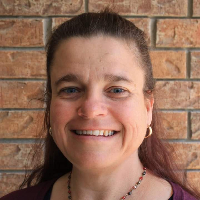
Catherine Towne-Coleman
LPC
Arkansas - 41 yrs exp





















How Life Purpose Therapy Works for Arkansas Residents
Life purpose therapy focuses on helping you identify what matters most and translating that clarity into everyday choices. In Arkansas, therapists with this specialty draw on a range of approaches - including values-based therapies, existential work, narrative techniques, and goal-focused counseling - to guide you through reflection, decision-making, and action planning. Sessions often begin with exploration of your history and current priorities, move into exercises that illuminate your values and strengths, and then shift toward concrete steps you can take to live with greater meaning. You and your therapist will set the pace, focusing on what feels practical and relevant to your life in Arkansas, whether you live in a city, a small town, or a rural county.
Finding Specialized Help for Life Purpose in Arkansas
When you look for a therapist who concentrates on life purpose, pay attention to how they describe their areas of focus and the methods they use. Many clinicians who specialize in this work have training in career counseling, pastoral counseling, or existential/meaning-centered approaches, and they will often list issues such as direction in life, transitions, midlife questions, or values clarification. If you live near Little Rock, Fort Smith, Fayetteville, or Springdale, you may have access to a wider range of clinicians and community resources. In smaller communities, therapists may combine life purpose work with related services like coaching, family therapy, or grief counseling, which can be useful if your search touches on overlapping concerns.
Licensure and Credentials
Therapists who practice in Arkansas typically hold state licenses such as Licensed Professional Counselor or Licensed Clinical Social Worker. When you review profiles, look for information about credentials, years of experience, and any additional certifications related to career development, meaning-focused therapy, or life coaching. Asking about a therapist's training during an initial contact can help you understand whether their background aligns with the form of life purpose work you want to pursue.
What to Expect from Online Therapy for Life Purpose
Online therapy expands access to life purpose work by allowing you to meet with a clinician from your home, office, or another convenient location. For Arkansas residents, online sessions can be especially helpful if you live far from larger cities or if scheduling in-person visits is difficult. In an online session you can expect much of the same process as in-person counseling - conversation, reflective exercises, goal-setting, and homework - adapted to a video or phone format. Many therapists use shared worksheets, journaling prompts, and screen-shared materials to support your learning and planning between appointments.
Before your first online session, make sure you have a quiet and comfortable environment where you can speak openly. Test your technology in advance and ask the clinician about their preferences for video versus phone, session length, and how they handle notes and follow-up. You can also inquire about how they approach pacing - some people prefer weekly sessions at first, while others find biweekly meetings suit their rhythm better as they begin to implement new plans.
Common Signs You Might Benefit from Life Purpose Therapy
You might consider life purpose therapy when you feel unsettled about what comes next, even if there is no single crisis. Experiencing a persistent sense of dissatisfaction despite outward success, losing interest in activities that once felt meaningful, or feeling stuck during major life transitions are common reasons people seek this specialty. Changes such as retirement, career shifts, becoming a parent, ending a long relationship, or moving to a new community often trigger questions about meaning. If you notice recurring doubts about your values, or if you find it hard to make decisions because nothing feels compelling, speaking with a life purpose therapist can help you map your priorities and make concrete plans.
Another sign is when you struggle to translate broad ideas about meaning into everyday habits and choices. Therapy can help you bridge that gap by turning abstract values into specific actionable steps. If you live in a place where resources are limited, such as a rural county in Arkansas, online therapy may provide continuity while you explore community-based opportunities that align with your goals.
Tips for Choosing the Right Therapist for Life Purpose Work in Arkansas
Start by clarifying what you hope to achieve in therapy - whether that is greater clarity about direction, support through a life transition, or tools for living a more values-driven life. Once you have a sense of priorities, read clinician profiles with an eye toward their stated approaches, populations they serve, and the examples they use to describe their work. Many therapists will offer an initial phone call or brief consultation; use that opportunity to ask how they would begin to address your goals and what methods they typically use.
Consider logistics such as location, availability, and payment options. If you live near Little Rock or Fayetteville you may have more options for in-person sessions, while residents near Fort Smith or smaller towns may find that online sessions provide more flexibility. Ask whether the therapist accepts your insurance or offers sliding scale fees, and inquire about their cancellation policy and session length. It is also useful to ask about how they measure progress and how long they expect the work to take, keeping in mind that life purpose exploration is often iterative and personalized to your pace.
Compatibility and Cultural Fit
Compatibility matters as much as credentials. You should feel comfortable discussing personal values, spiritual questions, or cultural influences that shape your sense of purpose. If community, faith, or regional identity plays a role in your meaning-making, look for therapists who demonstrate cultural awareness and respect for those dimensions. In Arkansas, where community ties and local culture vary from one area to another, finding a clinician who understands or is open to learning about your context can be especially helpful.
Practical Steps to Get Started
Begin by identifying a short list of therapists whose profiles resonate with you. Reach out to set up an initial consultation and prepare a few questions about their approach, availability, and what to expect in early sessions. Be ready to describe your current concerns and what direction feels missing or unclear. In early meetings, your therapist may ask about your life story, key relationships, and moments when you felt most alive - these conversations provide the raw material for clarifying purpose.
Expect to do some work between sessions. Journaling, values exercises, small experiments, and short-term goals are common components of life purpose therapy. Tracking what brings energy or drains it helps you and your therapist make adjustments and focus on sustainable changes. Over time, you will develop a clearer sense of priorities and a plan for integrating them into your daily life, whether through changes in work, relationships, volunteering, or personal routines.
Conclusion
Searching for a life purpose therapist in Arkansas is a personal journey that benefits from thoughtful preparation. By considering credentials, approach, availability, and cultural fit you increase the chances of finding a clinician who helps you translate meaning into action. Whether you meet in person in Little Rock, connect online from a rural county, or work with someone near Fayetteville or Fort Smith, the right therapist can help you clarify values, set intentional goals, and take manageable steps toward a life that feels more aligned with what matters to you.