Find a Queer Friendly Therapist in Arkansas
This directory page highlights therapists who advertise queer friendly practice in Arkansas, with listings including clinicians in Little Rock, Fayetteville, Springdale and Fort Smith. Use the filters below to compare specialties, telehealth options, and contact methods. Browse the therapist profiles to find a clinician who matches your needs and preferences.
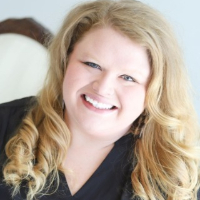
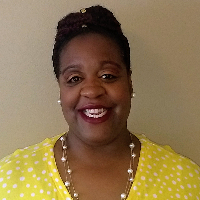
Morganne Brown
LCSW
Arkansas - 8 yrs exp















How queer friendly therapy works for Arkansas residents
Queer friendly therapy means therapists explicitly state that they work respectfully with lesbian, gay, bisexual, transgender, queer and questioning people, and with people whose identities fall outside traditional expectations. In Arkansas, that often looks like clinicians who have pursued additional training on issues that commonly affect LGBTQ+ communities, who use inclusive language, and who make space for you to talk about identity without feeling judged. Whether you choose an in-person counselor in Little Rock or a clinician offering online appointments to clients across the state, queer friendly practice centers your experience and goals.
Because Arkansas includes both urban centers and large rural areas, access varies by location. In cities such as Fayetteville and Fort Smith, you may find several clinicians with extensive experience in queer issues. If you live in a smaller town or prefer the convenience of remote sessions, teletherapy can make it easier to connect with clinicians who advertise queer friendly services even if they are based outside your county. The important thing is finding someone whose approach fits the particular aspects of your life and identity.
Finding specialized help for queer friendly care in Arkansas
Start by thinking about what kind of support you want. Some people are looking for someone to help with coming out, relationship challenges, or coping with discrimination. Others are exploring gender identity, seeking support during a transition, or wanting help navigating family dynamics. Once you know the general focus, look for therapists who list relevant experience in their profile. In Arkansas you can often filter by modality, license type and telehealth availability to narrow the search.
When you review profiles, pay attention to how therapists describe their work with queer communities. Look for language that signals cultural humility - phrases that emphasize listening, collaboration and ongoing learning. Credentials matter too. Licensed counselors, social workers and psychologists in Arkansas must meet state requirements, so checking license type and standing is a practical step. If you are near Little Rock, you may be able to meet in person. If you are in Springdale or a more rural area, ask about clinicians who provide remote sessions that meet Arkansas telehealth regulations.
What to expect from online therapy for queer friendly care
Online therapy can be a good option if in-person care is limited where you live or if you prefer the convenience of virtual appointments. A typical online session looks similar to an in-person one in structure - you and your therapist will set goals, review what brings you to therapy, and decide on approaches that fit your needs. Many queer friendly clinicians tailor their questions to create a welcoming environment, asking about pronouns, identity labels and what language you prefer to describe your experiences.
To get the most from online sessions, consider your environment. Choose a quiet, comfortable space where you can talk without interruptions and where you feel emotionally safe. Test the video platform and internet connection in advance so technology does not interrupt the flow of conversation. If you have concerns about privacy at home, discuss them with your clinician - they can help find alternatives or offer strategies to make sessions more workable. You should also ask about how records and communications are handled, what to expect in terms of scheduling and cancellations, and whether the therapist accepts your insurance or offers a sliding scale.
Common signs that someone in Arkansas might benefit from queer friendly therapy
You might be considering queer friendly therapy if you notice persistent stress related to identity, such as anxiety about coming out, fear of rejection, or the effects of discrimination in school, work or your community. Relationship strain is another common reason people seek support - whether partnered, dating or navigating family tension. If you are exploring gender identity or thinking about medical or social transition, a clinician who understands those processes can help you reflect on options and prepare for conversations with family, employers or medical providers.
Other signs include feeling isolated, experiencing low mood, or struggling with coping in the face of identity-based microaggressions. If you are a young person in Fayetteville or a parent in Fort Smith wanting guidance on how to support your child, a queer friendly therapist can offer practical communication strategies and assist with navigating local services. Therapy is not only for crisis - you can also seek support to build resilience, deepen self-understanding, and strengthen relationships.
Tips for choosing the right queer friendly therapist in Arkansas
Choosing a therapist is a personal process. Start by identifying practical needs - do you prefer someone with evening appointments, do you need a clinician who accepts certain insurance, or do you require a therapist who can work with adolescents or couples? Next, use the information in profiles to assess fit. Pay attention to how therapists describe their approach to gender and sexuality. Those who name specific training, supervision or community involvement often demonstrate commitment to ongoing learning.
When you reach out for a consult, prepare a few questions. Ask how the therapist works with people who share parts of your identity, how they incorporate topics like minority stress or family dynamics into sessions, and what a typical first few appointments look like. It is reasonable to ask about their licensure and how they handle documentation and referrals. If you have a preference for in-person work in Little Rock or for clinicians who provide teletherapy to clients across Arkansas, mention that early so you can get clear information about logistics.
Trust your instincts. It is normal to feel unsure after a first session. A good match means you feel heard, respected and understood over time. If the connection does not feel right, it is okay to try a different clinician - finding the right person can take a few attempts, and each step helps clarify what you value in therapy.
Making the most of therapy in an Arkansas context
Living in Arkansas can bring unique considerations - community norms, family expectations and local policies may shape the experiences you bring into therapy. You should feel empowered to bring those realities into sessions. A queer friendly therapist will help you explore how local factors affect your mental health, safety and relationships without minimizing your experiences. If you face immediate safety concerns related to discrimination or family conflict, your therapist can work with you to develop practical plans and point toward local resources when appropriate.
Finally, remember that therapy is collaborative. You have agency in setting goals and deciding the pace of work. Whether you pursue short-term support for a specific issue or deeper long-term therapy, a queer friendly clinician can be a partner in building skills, exploring identity and finding ways to thrive in your communities across Arkansas - from university towns to smaller rural neighborhoods.
Next steps
Use the listings above to explore profiles in Little Rock, Fayetteville, Springdale and Fort Smith, and consider scheduling a brief consult to see if a clinician is a good fit. Taking that first step can open up new ways to manage stress, strengthen relationships and feel more grounded in your identity. If you are unsure where to begin, reach out to a few therapists to ask about their experience working with queer clients and how they structure initial sessions.