Find a Client-Centered Therapy Therapist in Arkansas
Client-Centered Therapy, sometimes called person-centered therapy, emphasizes empathy, acceptance, and the therapeutic relationship as the foundation for growth. You can find licensed practitioners across Arkansas who use this approach to help people explore their feelings and build self-understanding.
Browse the listings below to review therapist profiles, specialties, and availability in your area.

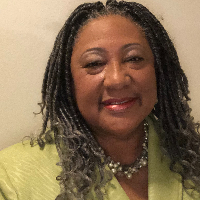
Morganne Brown
LCSW
Arkansas - 8 yrs exp


















What is Client-Centered Therapy?
Client-Centered Therapy grew out of humanistic psychology and centers on the belief that people have an innate capacity for self-understanding and positive change when given the right conditions. In this approach the therapist focuses on listening without judgement, reflecting your experience, and responding with genuine empathy and presence. Rather than directing the conversation or prescribing solutions, the therapist offers a supportive environment where you can explore thoughts and feelings at your own pace. The goal is to strengthen your self-awareness and encourage choices that align with your values and needs.
Core principles that guide the work
Three interrelated principles typically guide Client-Centered Therapy: empathic understanding, unconditional positive regard, and congruence or genuineness. Empathic understanding means the therapist strives to see your experience from your perspective, tuning into both what you say and what lies beneath the words. Unconditional positive regard involves offering acceptance and respect for you as a person, without evaluation. Congruence means the therapist is authentic and transparent in the relationship, providing a human connection rather than a distant professional persona. Together these qualities create an atmosphere where you can feel heard and less defensive, which often opens the door to deeper self-exploration.
How therapists in Arkansas use Client-Centered Therapy
In Arkansas therapists bring Client-Centered principles into a variety of settings, from private practices in Little Rock and Fayetteville to community clinics and campus counseling centers. Many practitioners blend person-centered methods with complementary techniques - such as mindfulness, brief solution-focused strategies, or trauma-informed practices - to fit the needs of each client. If you live in a more rural part of the state you may find practitioners who offer telehealth appointments to reduce travel time and make ongoing care more accessible. Across urban and rural settings alike the emphasis remains on building a trusting therapeutic relationship and supporting your capacity for self-directed growth.
Integration with other approaches
While some therapists practice Client-Centered Therapy as their primary orientation others integrate its attitudes into a broader toolbox. For example you might work with a clinician who brings empathic listening and nonjudgmental acceptance into sessions that also incorporate cognitive strategies for anxiety, behavioral plans for stress management, or narrative approaches to identity concerns. The flexibility of the person-centered stance makes it a natural foundation for collaborative, individualized work.
What Client-Centered Therapy is commonly used for
Client-Centered Therapy is helpful for a wide range of issues because it focuses on your subjective experience rather than a symptom checklist. People often seek this approach for anxiety, low mood, relationship challenges, grief, or self-esteem difficulties. It can be a good fit during major life transitions - such as career changes, relocation, or becoming a parent - when you may be seeking clarity and a chance to process complex emotions. Some people also choose this approach for ongoing personal development, wanting a nonprescriptive space to explore values, identity, and life goals. Therapists using person-centered approaches will adapt their pace and focus to suit your needs rather than imposing a strict treatment plan.
What a typical online Client-Centered Therapy session looks like
When you meet with a Client-Centered therapist online the session will often begin with a calm check-in about how you are feeling and any topics you want to explore that day. The therapist will aim to listen deeply, reflect back what they hear, and name emotions or patterns to help you gain clarity. You can expect questions that invite reflection rather than a checklist of exercises - prompts that encourage you to describe your inner experience, notice shifts in feeling, and consider what matters most to you. Sessions usually last 45 to 60 minutes and offer a consistent, predictable structure that still leaves room for whatever arises in the moment. Because the therapist prioritizes authenticity and presence you should notice attention to the relationship - the therapist may comment on the here-and-now of the interaction to deepen awareness.
Practical considerations for online work
When choosing online therapy you will want to consider practical details such as session length, fees, and whether the therapist is licensed to practice in Arkansas. Many therapists publish information about their approach and typical session structure in their profiles, and an initial consultation is a good way to get a sense of fit. You should pick a quiet location where you can speak freely and minimize interruptions. If you live in a city like Little Rock or Fayetteville you may have the option of combining online sessions with occasional in-person meetings if that is important to you.
Who is a good candidate for Client-Centered Therapy?
This approach is often best for people who want a reflective, exploratory process rather than step-by-step instruction. If you are seeking a nonjudgmental listener to help you make sense of feelings, discover personal strengths, and clarify choices, Client-Centered Therapy can be very effective. It is also useful if you value collaboration and want a therapist who trusts your capacity to lead the work. That said, therapists will discuss whether the approach fits your current needs - for example if you need structured behavioral plans or immediate crisis intervention they may integrate other strategies or coordinate additional supports to ensure you receive comprehensive care.
How to find the right Client-Centered Therapist in Arkansas
Start by reviewing profiles that highlight person-centered training, experience, and values. Look for descriptions that mention empathy, warmth, and a nonjudgmental stance, and note any experience with the issues you want to address. Pay attention to practical details like insurance, sliding scale options, and availability for evening or weekend appointments if you need them. If you live near Fort Smith or another regional center you may find therapists who specialize in working with particular populations - such as adolescents, couples, or those navigating cultural identity - that match your needs. An initial phone or video consultation can help you assess whether a therapist's style feels right; ask how they typically structure sessions, what they see as the therapist's role, and how they measure progress.
Questions to consider when choosing
Consider whether you prefer a therapist who is more directive or one who primarily listens and reflects. Think about cultural fit, language preferences, and whether you want someone experienced with specific life stages or challenges. Trust your sense of comfort during the first few meetings - the relationship itself is a key part of the approach. If you try a few sessions and it does not feel like a good match it is reasonable to explore other profiles until you find a clinician with whom you feel understood and supported.
Finding ongoing support in Arkansas
Once you begin work with a Client-Centered therapist you can expect an emphasis on continuity and gradual development. Many Arkansans balance therapy with community resources, support networks, or complementary practices like mindfulness and creative expression. Whether you live near the state capital or in a smaller town, the commitment to a compassionate, person-focused approach can make therapy a space where you build resilience and clearer direction. Use the directory to compare local profiles, read therapist statements about their approach, and reach out for a consultation so you can begin a therapeutic relationship that fits your life and goals.
Client-Centered Therapy prioritizes your experience and your voice. When you find a practitioner who listens with presence and empathy you create the conditions for meaningful change to emerge from your own insight and strengths.