Find a Solution-Focused Therapy Therapist in Arkansas
Solution-Focused Therapy emphasizes practical strategies and the strengths you already have to move toward meaningful change. Browse listings for practitioners across Arkansas to compare approaches and connect with a provider who fits your needs.

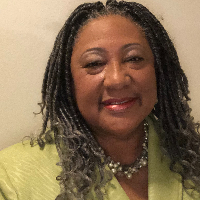
Morganne Brown
LCSW
Arkansas - 8 yrs exp


















What Solution-Focused Therapy is and the principles behind it
Solution-Focused Therapy is an approach that concentrates on where you want to go rather than dwelling on where you have been. Instead of spending session time dissecting the origins of a problem, this method helps you identify small, realistic steps that lead to clear improvements. Practitioners work with you to clarify goals, notice exceptions to the problem, and build on what is already working in your life. The style is collaborative and forward-thinking - the therapist acts as a coach who helps you recognize resources and possibilities you may not have noticed before.
Core ideas that shape sessions
The practice rests on a few simple but powerful ideas. You and your therapist will often focus on specific goals and on tangible indicators that those goals are being met. Questions about preferred futures - sometimes called miracle questions - invite you to describe what life would look like once change has occurred. Scaling questions help measure progress in small increments so you can see movement even when challenges linger. Emphasis is placed on exceptions, or times when the problem is less present, because these moments reveal strategies that you can intentionally use more often.
How Solution-Focused Therapy is used by therapists in Arkansas
Across Arkansas, Solution-Focused Therapy is offered in a range of settings including outpatient clinics, community mental health centers, university counseling programs, and private practices. In larger population centers such as Little Rock, Fayetteville, and Fort Smith you will find clinicians who integrate this approach with work on relationships, parenting, or workplace issues. In smaller communities practitioners often adapt the model to meet community needs, combining brief goal-oriented work with referrals to local support services when appropriate. Because the approach is practical and time-conscious, many Arkansas therapists use it as a primary method for short-term work or as a complement to other forms of therapy.
What types of issues Solution-Focused Therapy is commonly used for
You may encounter Solution-Focused Therapy for a wide range of concerns where clear goal-setting and behavioral change are helpful. It can be applied when you want to manage stress, improve communication in relationships, set and reach career or educational goals, navigate life transitions, or develop better day-to-day coping strategies. Clinicians also use it with parents who want concrete approaches for changing family routines, and with people looking to reduce symptoms of worry or low mood through active problem solving. The approach is especially useful when you are ready to try focused, actionable steps and want to see measurable progress over a period of weeks or months.
What a typical Solution-Focused Therapy session looks like online
When you schedule an online Solution-Focused session, you can expect a straightforward structure that prioritizes clarity and momentum. A session commonly begins with a brief check-in about what has changed since the last meeting and what you would most like to accomplish in the current session. Your therapist will ask goal-oriented questions and may invite you to imagine a preferred future, then identify small steps you can take before the next meeting. You are likely to leave with concrete tasks or experiments to try in your daily life and a plan for measuring progress with simple scaling questions or observable behaviors. Sessions tend to be solution-focused rather than process-heavy, and many clients notice the model fits well with a busy schedule because it emphasizes efficient, practical work.
Practical considerations for online sessions
To get the most from virtual sessions, choose a comfortable, quiet space where you can speak and listen without interruption. Test your internet connection and audio-visual setup before the appointment to minimize technical interruptions. If you live outside major urban centers in Arkansas, online sessions can expand your access to therapists who specialize in this approach. Many therapists who practice in Little Rock, Fayetteville, and other cities offer virtual appointments so you can maintain continuity of care even if you are traveling or live in a rural area.
Who is a good candidate for Solution-Focused Therapy
Solution-Focused Therapy tends to suit people who are motivated to work on specific, achievable goals and who prefer a pragmatic, future-oriented style. If you want to try focused strategies, track progress in small steps, and build on existing strengths, this approach may match your preferences. It can be particularly helpful when you are facing a well-defined challenge - such as improving a relationship dynamic, managing a work-related stressor, or implementing new habits - and you want tools you can apply between sessions. While the approach is time-efficient, therapists will usually discuss whether it is the best fit for your situation and can recommend other resources or longer-term support if needed.
How to find the right Solution-Focused therapist in Arkansas
Finding the right therapist starts with reviewing profiles to learn about training, areas of focus, and the populations a clinician serves. Look for practitioners who describe training or experience with Solution-Focused methods and who explain how they tailor the approach to individual needs. Consider logistics such as whether you prefer in-person appointments in cities like Little Rock or Fayetteville, or whether virtual sessions are a better match for your schedule. If cost or insurance is a concern, check each therapist's policies and inquire about sliding-scale options during an initial contact. It is also valuable to ask about session length and typical treatment pacing so you can align expectations with your goals.
Questions to ask during an initial consultation
When you reach out to a prospective therapist, ask how they structure Solution-Focused work and what a short-term plan might look like for the issues you want to address. You might ask how progress is tracked, what kind of between-session tasks they assign, and how they adapt the approach for couples, families, or different age groups. If cultural fit is important to you, inquire about the clinician's experience with diverse communities and whether they offer services in multiple languages. Most therapists will welcome these questions and use the opportunity to clarify their approach so you can decide whether to move forward.
Connecting with a therapist in your area
Whether you live near an Arkansas hub like Fort Smith or in a smaller town, you have options for locating a Solution-Focused therapist who meets your needs. Use the directory to compare profiles, read descriptions of approach and specialties, and reach out for brief consultations to determine fit. Choosing a therapist who communicates clearly about goals, pacing, and practical next steps will help you make the most of Solution-Focused Therapy. If you are ready to begin, explore the listings, contact a few providers, and arrange an initial session to see whether this efficient, goal-directed model aligns with what you want to accomplish.