Find a Veterans Therapist in Arkansas
This page lists therapists who specialize in working with veterans throughout Arkansas. Browse clinician profiles below to compare experience, specialties, and availability and find professionals who meet your needs.



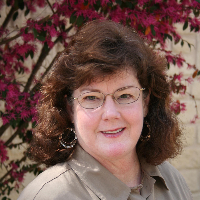



Michelle McHugh
LICSW, LCSW
Arkansas - 23 yrs exp

Glenna Rodgers
LPC
Arkansas - 27 yrs exp






How veterans therapy works for Arkansas residents
If you are a veteran in Arkansas seeking mental health support, you will find that therapy can be adapted to your needs and lifestyle. Many therapists trained in veteran care focus on understanding military culture, transition challenges, and service-related stressors. In-person appointments are available across urban centers and smaller communities, while many clinicians also offer appointments by video or phone so you can access support from home. When you contact a therapist, expect an initial conversation about what brought you to therapy, your goals, and any preferences you have for treatment approaches.
Typical first steps and logistics
Your first session usually includes an intake process where the therapist collects background information about your service history, current symptoms, and daily functioning. You and the clinician will discuss goals and a general plan for how you will work together. Practical matters such as session length, frequency, fees, insurance and billing are often clarified early so you know what to expect. If you plan to attend in person, consider providers in larger cities such as Little Rock, Fort Smith, or Fayetteville for more specialty options; if you prefer remote care, you can look for therapists who offer flexible virtual appointments that fit your schedule.
Finding specialized help for veterans in Arkansas
When searching for a therapist who understands veteran-specific issues, look for clinicians who list experience with military populations and trauma-related work. A therapist who has worked with active duty service members, National Guard, or veterans will be familiar with military life and the transition to civilian routines. You can begin your search by narrowing profiles by specialties such as trauma-focused therapy, adjustment and transition support, or family and relationship counseling. Local clinics and community mental health centers often have referrals and may be able to connect you with peers who have similar service backgrounds.
Resources near you
Arkansas has a mix of urban and rural resources. In central and urban areas like Little Rock you will often find clinics with multidisciplinary teams, while regional centers in places near Fort Smith and Fayetteville can provide options for both short-term and ongoing care. University counseling centers and community health networks sometimes host clinicians who maintain a focus on veteran concerns. If you are connected with a Veterans Affairs facility, that is one pathway for services; many veterans also choose community clinicians for additional or complementary support. Wherever you are in Arkansas, consider asking potential therapists about their experience with military culture and common veteran issues to confirm an appropriate fit.
What to expect from online therapy for veterans
Online therapy can be an accessible option if travel is difficult, if you live outside major cities, or if scheduling in-person sessions is a challenge. Virtual appointments generally use video or telephone formats and allow you to meet from a familiar and comfortable setting. Before your first online session, you should confirm how the clinician handles technology and what platform will be used. It is helpful to choose a quiet place free from interruptions and to have a stable internet connection for video visits. Therapists will discuss boundaries and expectations for remote work, including how to manage emergencies and what to do if a session is interrupted.
Benefits and considerations
One benefit of online work is broader access to therapists who specialize in veteran issues even if they are based in another part of the state. However, licensing rules mean a clinician must be authorized to practice in Arkansas to provide ongoing care to residents, so it is reasonable to ask a provider about their licensure and how they meet state requirements. If you value in-person contact, you may prefer finding someone near Fayetteville or another local hub; if convenience and continuity matter most, online therapy can be an effective option when you and the clinician agree on the format and logistics.
Common signs that someone might benefit from veterans therapy
You might consider reaching out to a therapist if you notice persistent changes in mood, sleep, or daily functioning following deployment or service. Difficulty adjusting to civilian routines, ongoing anger or irritability, trouble concentrating, or repeated distressing memories about service experiences are common reasons veterans seek help. Relationship strain, avoidance of situations that remind you of service, or increasing reliance on substances to cope are also signs that professional support may help. Seeking therapy is not a sign of weakness; it is a way to gain tools and strategies so you can manage symptoms and improve quality of life.
When to seek help sooner
If you are experiencing thoughts about harming yourself or others, or you feel overwhelmed by emotions or stress, contacting a mental health professional promptly is important. Many therapists in Arkansas will provide guidance about crisis resources and immediate steps you can take. You do not need to wait for symptoms to significantly worsen before reaching out - early contact can help you explore options and build coping strategies before challenges become more entrenched.
Tips for choosing the right therapist for veterans in Arkansas
Choosing a therapist is a personal process. You may want to prioritize clinicians who list specific experience with veterans or military families and who can speak to common concerns such as transition stress, trauma-related distress, or relationship impacts. Credentials matter - look for licensed professionals who have training in evidence-based approaches and who can explain how they tailor methods to the veteran experience. It is reasonable to ask about the clinician's experience with modalities often used with service members, such as cognitive-behavioral approaches, trauma-focused therapy, or therapies that address adjustment and resilience.
Practical considerations
Consider logistics that fit your life. If you live near an urban center like Little Rock or Fayetteville, you might prioritize in-person availability or evening appointment hours. If transportation or work makes regular travel difficult, look for therapists who offer telehealth sessions. Check whether the clinician accepts your insurance or offers a sliding scale if cost is a concern. Pay attention to communication style during an initial consultation - you should feel listened to and understood, and the therapist should be able to explain their approach in clear terms. A good match often comes down to both shared experience and rapport, so trust your judgment if a conversation feels right or not.
Making the most of therapy
Once you start working with a therapist, setting clear goals can help you track progress. Be open about what you hope to achieve, whether that is reducing symptoms, improving relationships, managing sleep, or easing the transition to civilian life. Therapy may involve talking through experiences, learning coping strategies, practicing new behaviors, and applying skills between sessions. Many veterans find that a combination of understanding from the clinician and practical tools helps them regain a sense of control and purpose.
Finding the right veteran-focused therapist in Arkansas may take some time, but the listings on this page are a good place to begin. Whether you live near a major city like Fort Smith or in a smaller community, you can use the profiles to compare specialties, availability, and approaches. Take advantage of introductory calls or consultations to ask questions and determine fit - the right clinician will work with you to create a plan that respects your experience and supports your goals.