Find a Young Adult Issues Therapist in Arkansas
This page presents therapists across Arkansas who specialize in young adult issues, including transitions to independence, relationship challenges, and identity development. Browse the listings below to compare approaches, read provider bios, and connect with a practitioner who meets your needs.

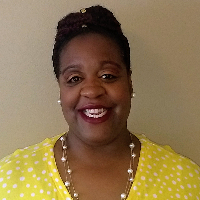
Morganne Brown
LCSW
Arkansas - 8 yrs exp

Catherine Towne-Coleman
LPC
Arkansas - 41 yrs exp





















How young adult issues therapy works for Arkansas residents
Young adulthood is a time of rapid change - finishing school, starting careers, forming new relationships, and learning to manage finances and health. Therapy in this stage focuses on practical coping strategies, emotional regulation, clearer decision making, and building the skills needed for independent living. When you seek help in Arkansas, most therapists begin with an intake conversation to understand where you are now and what you hope to achieve. That initial session is often used to set goals and discuss frequency of meetings, whether weekly or biweekly, and to agree on what progress looks like for you. Over subsequent sessions, a therapist will use evidence-informed approaches tailored to your situation - for example cognitive techniques to address anxious thoughts, relational work to improve communication, or problem-focused strategies to manage academic or work stress.
Local context and accessibility
In Arkansas, access to providers can vary by region. Urban centers such as Little Rock and Fayetteville typically have a broader range of specialists, while smaller towns may rely on therapists who cover multiple concerns. If you live in Fort Smith or Springdale, you may find a mix of in-person and remote options that help bridge geographic gaps. Many therapists in the state offer flexible scheduling to accommodate school or work demands, and some provide evening appointments to fit busy lives.
Finding specialized help for young adult issues in Arkansas
Finding a therapist who understands young adult issues starts with identifying what matters most to you. Some providers emphasize career and educational transitions, while others focus on relationship patterns, mental health symptoms, or identity exploration. You can look for therapists who list young adult or emerging adult work in their specialties, who have training in developmental concerns, or who describe experience with college transition and early career stress. In Arkansas, university towns often have practitioners who work with students and recent graduates, making Fayetteville and areas near campuses useful places to search if you are navigating academic-to-career shifts.
Questions to guide your search
When evaluating profiles and introductory pages, consider what type of therapeutic relationship you want, the approaches that feel comfortable, and practical matters such as location and fees. It can be helpful to read therapist bios for indications of relevant experience with relationship issues, family dynamics, identity development, and vocational concerns. You may also notice therapists who highlight collaborative strength-building or who emphasize exploring values and goals. If you are looking for culturally responsive care, look for mentions of experience working with diverse backgrounds and with the particular communities in Arkansas.
What to expect from online therapy for young adult issues
Online therapy can expand your choices beyond local availability, making it easier to work with someone whose experience aligns closely with your needs. When you choose virtual sessions, expect most therapists to offer video meetings, phone check-ins, and messaging options between sessions depending on their practice. The format often mirrors in-person therapy in structure - regular sessions focused on skill building, processing experiences, and reviewing progress. You should discuss technology needs up front, including reliable internet, a quiet area for sessions, and how to handle scheduling or technical disruptions. You should also ask about how records are managed and what methods are used for scheduling and payment to make sure the process fits your expectations.
Benefits and practical considerations
Online appointments can be particularly useful if you live outside major cities or if travel is difficult. They often allow more flexibility for students and early-career workers. If you plan to use online services while temporarily living in another state, ask the therapist about licensure and practice policies across state lines. In Arkansas, as in other states, therapists are bound by local licensing rules, so it is important to confirm how interstate work is handled before scheduling ongoing sessions.
Common signs that someone in Arkansas might benefit from young adult issues therapy
You might consider seeking therapy if transitions feel overwhelming or if stress is affecting daily life. Persistent difficulty concentrating at work or school, repeated conflicts in relationships, increased substance use, trouble sleeping, or a sense of being stuck despite efforts to change are all valid reasons to reach out. Many young adults also seek help for navigating identity concerns, managing expectations from family, or learning to build routines that support physical and emotional health. If you notice that emotions such as anxiety or sadness interfere with making decisions or pursuing goals, therapy can offer structure, perspective, and tools for coping.
Early steps and local supports
If you are unsure whether therapy is right, consider scheduling an initial consultation to explore options. In cities like Little Rock and Fort Smith, community resources and campus counseling centers may offer referrals or low-cost services. Even if you live in a more rural area, online sessions and therapists who travel between towns can provide access to consistent care. Starting with a single conversation can clarify whether a particular therapist’s approach feels like a good fit for what you want to work on.
Tips for choosing the right therapist for this specialty in Arkansas
Choosing a therapist is a personal decision. Pay attention to how a therapist describes their work with young adults - whether they emphasize collaboration, skill development, or deeper exploratory work. Consider logistical fit as well - appointment times, session length, fees, and whether they accept insurance or offer sliding scale options. It is appropriate to ask about training and experience in areas that matter to you, such as anxiety, career concerns, relationship dynamics, or identity exploration. You may want to meet with a few different therapists to get a sense of style and rapport; a good match often depends on how comfortable you feel discussing sensitive topics and whether the therapist listens and responds in a way that resonates.
Practical steps to make the first appointment easier
Prepare a short summary of the main concerns and goals you want to address, and note any recent stressors or changes in routine. Have a list of questions about approach, expected length of work, and what to do between sessions. If you live in or near Fayetteville or Springdale, you may prefer providers who understand the local community and resources. If commuting is a concern, look for therapists who offer evening or online sessions to fit your schedule. Trust your instincts - if after a few sessions the fit does not feel right, it is reasonable to discuss a referral or try a different provider.
Next steps and making contact
Once you identify a few potential therapists, reach out to inquire about availability and an initial consultation. Many providers will offer a brief phone call to answer questions and determine whether an intake appointment is appropriate. Whether you choose in-person sessions in Little Rock or online meetings while living elsewhere in Arkansas, the first sessions are an opportunity to define goals and decide how therapy will support the next phase of your life. Taking that first step can open up new ways to manage transitions, strengthen relationships, and pursue the personal and professional goals that matter to you.