Find an ADHD Therapist in California
This page connects you with ADHD therapists serving California, including clinicians who work in major metro areas and offer remote sessions. Browse the listings below to compare specialties, treatment styles, and availability.





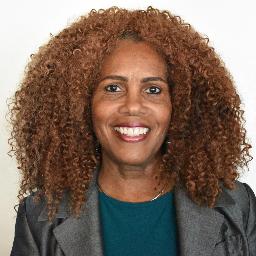
Therese Schmoll
LMFT
California - 30 yrs exp


















How ADHD therapy works for California residents
If you decide to pursue ADHD therapy in California, the process typically begins with an intake conversation and an assessment of current challenges and goals. That assessment may focus on attention, impulsivity, organization, time management, and how symptoms show up at work, school, or home. Therapists work with you to identify priorities and develop a plan that fits your life in California - whether you live in a dense urban neighborhood or a more suburban area. Therapy often blends practical skills training with strategies to manage emotions and build routines that support daily functioning. Sessions may be offered weekly at first and then adjusted as you make progress and develop new skills.
Types of therapeutic approaches you may encounter
Many therapists use cognitive-behavioral approaches adapted for ADHD to help you reframe unhelpful thoughts and practice new behaviors. Skills-based coaching focuses on task organization, time management, and planning techniques tailored to your schedule and responsibilities. For younger clients, therapists often involve family members to develop consistent structures at home and school. In some cases, therapists collaborate with prescribers when medication is considered part of treatment - that coordination helps ensure that psychological strategies and any medical care are aligned.
Finding specialized help for ADHD in California
California is large and varied, so your search might look different if you are in Los Angeles versus a smaller inland community. In major cities like Los Angeles, San Francisco, and San Diego you will often find clinicians who specialize in adult ADHD, childhood ADHD, neurodiversity-affirming care, and school-related supports. Outside the largest metros, clinicians may have broader general mental health practices but still offer ADHD-focused services. When searching, look for therapists who describe specific experience with ADHD, mention the age groups they serve, and explain their treatment approach. You can also consider clinics affiliated with universities or community health centers that may offer assessment services and sliding-scale fees.
Licensure and credentials to consider
When you review profiles, check that the clinician holds a recognized California license and note their professional title. Psychologists, licensed clinical social workers, licensed professional clinical counselors, and psychiatrists each bring different training and scopes of practice. Ask how much of their caseload involves ADHD and whether they have additional training in evidence-based methods for attention and executive functioning. It is reasonable to request information about experience with clients who share your age, cultural background, or specific life demands.
What to expect from online therapy for ADHD
Online therapy is widely available across California and often makes it easier to fit appointments into a busy schedule. In virtual sessions you can expect many of the same therapy techniques used in person - goal setting, skill-building exercises, and consistent review of progress. Therapists may use shared digital tools for planning, reminders, and homework assignments to reinforce new habits between sessions. Online work can be especially helpful if you live far from major city centers or need flexible timing to accommodate work or school commitments.
Practical considerations for telehealth
Before your first online session, make sure your device and internet connection support video calls and choose a quiet, personal spot where you can focus. You should ask the therapist how they conduct virtual sessions, how long they typically last, and whether they provide materials between appointments. Some therapists offer a hybrid model with occasional in-person visits if you prefer face-to-face time for specific assessments or hands-on coaching. Online therapy often allows you to maintain continuity if you move between cities such as San Francisco and San Jose or travel for work.
Common signs that someone in California might benefit from ADHD therapy
If you are noticing persistent problems with attention, frequent lateness, trouble starting or finishing tasks, or patterns of forgetfulness that interfere with work, school, or relationships, these may be reasons to explore ADHD therapy. You might find it hard to prioritize tasks, manage bills, or maintain routines - and that ongoing strain can affect your sense of confidence and well-being. Children and teens may struggle with classroom focus, organization of homework, or impulsive behavior that disrupts learning. Adults often describe chronic procrastination, difficulties sustaining attention in meetings or while reading dense material, and challenges juggling multiple responsibilities. Therapy can help you develop tailored strategies to address those everyday obstacles.
Tips for choosing the right therapist for this specialty in California
Start by clarifying what you want to achieve - more reliable routines, improved work or school performance, or better family communication - and look for therapists who describe similar goals in their profiles. Consider whether you prefer a clinician who emphasizes cognitive-behavioral techniques, skills coaching, or a combination. Ask prospective therapists about their experience with clients at your life stage and whether they have treated people with similar work or family demands. It is also useful to inquire about practical matters such as session length, appointment availability, and cancellation policies so therapy can fit your schedule.
Location and accessibility
If in-person sessions are important, search for therapists near your neighborhood or near transit routes in cities like Los Angeles or San Diego. If you travel frequently or live in a less densely populated area, prioritize therapists who offer reliable online options. You may also want to check whether a therapist has evening or weekend hours if you work nontraditional schedules. For families, therapists who can coordinate with schools or provide guidance on educational accommodations can be particularly valuable.
Questions to ask during a first contact
When you reach out, ask about the therapist's approach to ADHD work, how they measure progress, and how they involve other supports such as family members or school staff when appropriate. You can request examples of specific strategies they teach and how they tailor interventions to busy California lifestyles. If language or cultural fit matters to you, ask whether they have experience with clients from similar backgrounds or whether they offer services in your preferred language. Clear communication about expectations helps you choose someone who is a good fit.
Moving forward with confidence
Searching for ADHD care in California can feel overwhelming, but taking a few practical steps - clarifying goals, checking credentials and specialties, and asking focused questions - will make the process smoother. Whether you are in an urban area, a coastal community, or inland, you can find clinicians who blend practical coaching with therapeutic techniques to help you manage attention and organization challenges. Therapy is a collaborative process - as you work with a clinician who understands the demands of your daily life, you can build routines and skills that make everyday tasks more manageable and create room for the things you care about most.
Next steps
Use the therapist listings above to filter by specialty, location, and treatment approach. Reach out to potential therapists to ask about fit and availability, and consider an initial consultation to see how well their style matches your needs. With the right support, you can explore strategies that fit your schedule, obligations, and goals in California.