Find a Fertility Issues Therapist in California
This page connects visitors with therapists in California who specialize in fertility issues, offering emotional support during family-building, treatment, and loss. Browse the therapist listings below to find clinicians practicing in Los Angeles, San Francisco, San Diego, and other California communities.


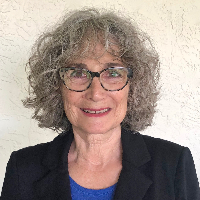
Therese Schmoll
LMFT
California - 30 yrs exp
















How fertility issues therapy works for California residents
If you are navigating fertility challenges in California, therapy can provide a steady place to process uncertainty, grief, and decisions about care. Most therapists who focus on fertility issues combine evidence-based approaches with empathy and an understanding of the medical timeline that often accompanies fertility treatment. Sessions typically begin with an intake conversation to understand your history, current stressors, and goals. From there, a therapist will work with you on short-term tools to manage anxiety and longer-term strategies to rebuild resilience and clarify choices.
Because care often overlaps with medical treatments, many therapists coordinate with reproductive endocrinologists, nurse coordinators, and midwives when appropriate. This coordination can help you align emotional support with appointments like consultations, procedures, and medication changes. In California, you may find clinicians who have specific training in perinatal mood and anxiety, reproductive psychiatry-informed approaches, or trauma-focused care that is tailored to fertility-related experiences.
Finding specialized help for fertility issues in California
Finding a therapist who understands fertility-related concerns makes a difference in how comfortable you feel sharing sensitive topics. Look for clinicians who list fertility, fertility-related grief, reproductive trauma, or family building on their profiles. Many providers in metropolitan areas such as Los Angeles, San Francisco, and San Diego advertise experience supporting people through IVF cycles, pregnancy loss, egg or sperm donation, surrogacy, and the emotional effects of infertility diagnosis. When you read profiles, pay attention to descriptions of clinical approach, training, and populations served so you can find someone whose style matches your needs.
If you live outside the larger cities, you can still access specialized care. California has a wide network of therapists across suburban and rural areas who either specialize in fertility or have experience supporting clients through reproductive challenges. You may also encounter therapists who offer group work or workshops focused on coping with infertility, which can be a practical supplement to individual therapy.
What to expect from online therapy for fertility issues
Online therapy has expanded access to clinicians who understand fertility struggles, especially in a sprawling state like California. When you choose teletherapy, sessions often occur over video or phone and follow a similar structure to in-person visits. You can expect a personal intake process, goal setting, and tailored treatment plans that address both emotional symptoms and the practical stresses of fertility care.
Online therapy can be particularly helpful when treatment schedules are unpredictable or when you need support between clinic visits. It also allows you to connect with therapists in other parts of the state, so you can choose someone with a specific fertility focus even if they are based in San Francisco while you live in Los Angeles. Be sure to confirm licensure and the provider's policies about telehealth across county lines, as regulations can affect whether a clinician can legally treat you depending on where you are located during the session.
Common signs that someone in California might benefit from fertility issues therapy
You might consider therapy if fertility challenges are affecting your daily life, relationships, or ability to make decisions. Persistent anxiety around appointments or procedures, difficulty sleeping, frequent intrusive thoughts about outcomes, or emotional numbness after cycles can all be reasons to reach out. Couples often benefit from support when differences in coping styles create distance or conflict, or when communication about options becomes strained. Grief after miscarriage, unsuccessful cycles, or decisions to stop treatment can also prompt a need for longer-term processing.
Therapy can help if you notice that fertility concerns are changing your work performance, isolating you from friends and family, or leading to unhealthy coping patterns. You do not need to wait for a crisis; many people benefit from therapy at the start of treatment to build coping strategies and strengthen supports for the months that follow.
Tips for choosing the right therapist for fertility issues in California
Choosing a therapist is a personal decision and there are practical steps that can make the process smoother. Start by identifying what matters most to you - do you want someone with experience in reproductive mental health, a therapist who works well with couples, or a clinician trained in trauma-informed care? Keep in mind that cultural background, language, and familiarity with family-building options such as donor conception or surrogacy can all be important factors in feeling understood.
When you review profiles, notice whether the therapist outlines their approach and what a typical course of therapy might involve. Many therapists offer an initial consultation so you can get a sense of fit before committing to regular sessions. Ask about availability around clinic appointments, experience with crisis moments common in fertility care, and whether they offer flexible scheduling to accommodate medical procedures. If cost or insurance matters, inquire about fees, sliding scale options, and whether they accept your insurance plan or provide superbills for reimbursement.
In large metropolitan areas like San Francisco and Los Angeles, you may have more choice and faster appointment availability. In smaller communities, teletherapy can broaden your options so you can find a clinician whose specialty aligns with your needs. You should also consider whether you prefer in-person sessions in a nearby office or a mix of in-person and online work depending on what feels most supportive.
Integrating therapy with medical care and community supports
Therapy often forms one part of a broader care plan that may include fertility clinics, support groups, and medical specialists. You can use therapy to prepare emotionally for procedures, process results, and explore options if plans change. Many people find it helpful to build a network that includes both medical and mental health professionals, as well as peers who understand the fertility journey.
Community resources vary across California, with city-based support groups and educational workshops more common in large urban centers. If you live in San Diego or elsewhere in the state, look for local nonprofits, clinic-based counseling programs, or online communities that host meetings and events. Combining individual therapy with peer support can reduce isolation and offer practical strategies from people with similar experiences.
Final thoughts
Seeking therapy for fertility issues is a proactive step and a way to care for your emotional health during a challenging time. Whether you are in Los Angeles, San Francisco, San Diego, or another part of California, you can find clinicians who specialize in the unique stresses of fertility journeys. Take your time to review profiles, ask questions about approach and availability, and trust your sense of fit when choosing a therapist. The right therapeutic relationship can provide steadiness, clearer decision-making, and coping tools to help you navigate the months ahead.