Find an Abandonment Therapist in Colorado
This page lists therapists in Colorado who specialize in abandonment-related concerns, including practitioners licensed across Denver, Colorado Springs, Aurora and other communities. Browse the listings below to compare clinicians, specialties, and approaches and contact those who seem like a good fit.
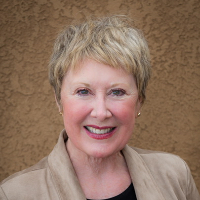









Crystal Gerlock
LCSW
Colorado - 30 yrs exp













How abandonment therapy works for Colorado residents
Abandonment therapy focuses on how experiences of loss, separation, or inconsistent caregiving affect current relationships and emotional wellbeing. In Colorado, therapists typically combine conversation-based work with experiential and skills-based interventions to help you understand patterns, regulate intense emotions, and build more reliable connections. Sessions may address childhood separations, relationship breakups, caregiving ruptures, or repeated experiences of perceived rejection, and you will collaborate with a clinician to set goals that match your needs and pace.
Therapists in the state may practice in clinics, private practices, community health centers, or through telehealth. The work usually begins with assessment - exploring your history, current stressors, and what triggers feelings of abandonment. From there, a clinician will tailor a therapeutic approach that could include attachment-focused therapies, cognitive behavioral strategies to shift unhelpful thought patterns, trauma-informed work to process painful memories, and somatic techniques to help manage body-based responses to threat. Over time you can expect to build skills for noticing patterns, communicating needs, and responding differently in relationships.
Local context and access across Colorado
Colorado’s geography and population centers influence service access. In urban areas like Denver, Colorado Springs and Aurora you may find a wide range of specialties and training backgrounds, including clinicians experienced in working with complex attachment histories. In college towns such as Fort Collins and Boulder, younger adults and students often seek care and you may find therapists who specialize in transitions and identity-related losses. If you live in a rural or mountain community, online therapy options can expand your choices and help you connect with a clinician whose approach fits your needs even if they are located in another part of the state. Consider travel and weather factors when planning in-person visits, and ask prospective therapists about telehealth availability if winter storms or distance are concerns.
Finding specialized help for abandonment in Colorado
When searching for a therapist who focuses on abandonment, look for clinicians who explicitly list attachment issues, relationship trauma, or loss-related work on their profiles. Licensing credentials indicate professional training - many practitioners will be licensed counselors, social workers, psychologists, or marriage and family therapists. You can confirm licensure through the state licensing board and ask a clinician directly about their experience with abandonment-related presentations. Ask about specific trainings or modalities they use, such as attachment-based therapy, trauma-focused approaches, or skills training for emotion regulation. It is also helpful to inquire whether they have experience with issues that intersect with abandonment, like parenting concerns, grief, or relationship conflict.
Consider practical factors as you search. If you want evening or weekend sessions because of work, filter for availability. If cultural background or language matters to you, ask about bilingual services or cultural competence. If cost is a consideration, ask whether the clinician offers a sliding-scale fee or accepts your insurance. Community mental health centers and university clinics can sometimes provide lower-cost options while still offering specialized care.
Questions to ask when contacting a clinician
When you reach out, a few targeted questions can help you tell whether a clinician is a good fit. Ask how they conceptualize abandonment and what a typical course of treatment looks like for someone with similar concerns. Ask about the therapy methods they use and whether they have experience working with issues that feel most pressing to you, whether that is fear of rejection, attachment anxiety, patterns of avoidance, or repeated relationship ruptures. It is reasonable to ask about session length, frequency, fees, and whether they offer remote sessions. You can also request a brief phone consultation to get a sense of their style and approach before scheduling your first session.
What to expect from online therapy for abandonment
Online therapy is a common option for people throughout Colorado and can be especially useful if you live outside major centers or have a schedule that makes regular in-person visits difficult. Video sessions generally mirror in-person appointments - you and your clinician talk about history, patterns, and current situations, and work through emotional material. Many therapists also use text-based messaging or brief check-ins between sessions, but be sure to confirm what communication methods they offer and how they handle emergencies or urgent concerns. Because laws regulate where a clinician may practice, make sure the therapist is licensed to provide services in Colorado if you are residing here.
Online work can be effective for processing abandonment and attachment issues because it allows you to practice new relational behaviors in a digital context and then apply them in real life. Therapists may assign reflective exercises, journaling prompts, or role-play practices that you can use between sessions. If you are newer to therapy, the first few sessions will likely involve building trust and a shared plan, while later sessions focus on consolidation and applying skills to everyday relationships.
Common signs that someone in Colorado might benefit from abandonment therapy
If you notice recurring patterns in your relationships, you may benefit from abandonment-focused therapy. You might find yourself feeling intensely anxious when a partner does not respond quickly, or you may pull away preemptively to avoid being hurt. Some people experience frequent thoughts that loved ones will leave them, even when relationships seem stable. Others find themselves repeating similar relationship endings or choosing partners who are emotionally unavailable. Emotional reactions to separation that feel disproportionate to the situation, difficulty trusting others, persistent low self-worth tied to rejection, or trouble maintaining long-term commitments can all signal attachment-related wounds that respond well to focused therapeutic work.
These experiences are not signs of personal failure. They are patterns that often develop as understandable responses to early interpersonal losses or inconsistent caregiving. Therapy can help you understand how your past informs present choices and give you new tools for forming connections that feel safer and more satisfying.
Tips for choosing the right therapist in Colorado
Choosing a therapist is both practical and personal. Start by narrowing candidates based on location, availability, and whether they offer telehealth. Read clinician profiles to learn about their training, orientation, and populations served. Prioritize therapists who describe experience with attachment issues, abandonment, or relational trauma, and who explain their approach in concrete terms. A good therapist will welcome questions about goals, methods, and what to expect in the first few sessions.
Consider logistics like fees, insurance, and session format, and be upfront about what you need. If cultural competence, LGBTQ+ affirming care, or a therapist who speaks Spanish is important to you, include those criteria in your search. When you schedule an initial appointment or phone consultation, notice whether you feel heard and whether the clinician offers a clear plan for treatment. Trust your instincts - if the fit does not feel right after a few sessions, it is reasonable to seek a different clinician whose style better matches your needs.
Preparing for your first sessions
Before your first appointment, think about what you hope to change and bring examples of relationship patterns or recent incidents that feel relevant. You might jot down family history around separations, losses, or caregiving patterns that shaped your early attachments. Be prepared to talk about current relationships and stressors, as well as any coping strategies you already use. The first few sessions are often focused on assessment and building rapport, and you can expect to leave with a shared treatment plan and some initial skills to try between sessions. If you ever feel overwhelmed between appointments, reach out to local crisis resources as needed - therapists will also discuss how to handle urgent situations.
Abandonment-related work can be challenging, but it is also an opportunity for lasting change. In Colorado you have access to a variety of clinicians who bring different approaches and strengths, whether you prefer in-person sessions in Denver or Boulder, or online work that connects you with a specialist across the state. Take your time exploring profiles, ask thoughtful questions, and choose a therapist who aligns with your goals and values. When you are ready, reach out to begin the process of understanding patterns and building more secure, satisfying relationships.