Find a Chronic Pain Therapist in Colorado
This page lists licensed clinicians and counseling professionals who focus on chronic pain care in Colorado. Browse the listings below to compare specialties, approaches, and availability near Denver, Colorado Springs, Aurora and other communities.

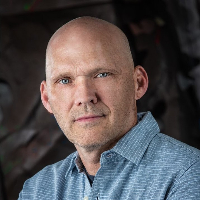






Crystal Gerlock
LCSW
Colorado - 30 yrs exp















How chronic pain therapy works for Colorado residents
Chronic pain therapy is an approach that helps you manage the daily effects of long-term pain so you can reclaim activities and routines that matter to you. In Colorado the process often begins with an assessment of how pain affects your mood, sleep, movement and relationships. Many clinicians will ask about past treatments, current medications and any medical diagnoses so they can coordinate care with your other providers. Therapy itself is focused on practical skills - learning how thoughts and behaviors influence pain perception, developing pacing strategies so activity does not lead to flare-ups, and building routines that support better sleep and mood.
You may find therapists who integrate pain education, cognitive-behavioral methods, mindfulness-based approaches and acceptance-oriented strategies. The aim is not to promise a cure but to provide tools that reduce the day-to-day burden of pain and improve your ability to participate in work, family and recreation. In Colorado communities where outdoor life is central, therapists often tailor plans to help you safely return to or adapt favorite activities such as hiking, biking or gardening.
Finding specialized help for chronic pain in Colorado
When you search for a therapist in Colorado, start by looking for clinicians who explicitly list chronic pain, pain management or illness-related issues among their specialties. Many providers have additional training in pain psychology, behavioral medicine or rehabilitation-focused therapies. Licensure and professional background matter - therapists may hold credentials such as LCSW, LPC, LMFT or clinical psychology degrees. You can also look for clinicians who describe collaboration with medical teams, physical therapists or pain physicians, since coordinated care is often helpful.
Geography plays a role in access. If you live near Denver, Colorado Springs, Aurora, Fort Collins or Boulder you will often find more in-person options, including clinicians who work with complex cases or offer consultation to medical practices. In more rural parts of Colorado, specialists may be less available locally, which makes telehealth a practical way to connect with someone who has pain-specific experience. Consider whether you want a therapist who has worked with people in similar life stages or activities - for example, someone experienced with athletes, workers with repetitive strain injuries or older adults with joint pain.
What to expect from online therapy for chronic pain
Online therapy has become a common route for people managing chronic pain, and it offers flexibility that can be especially helpful when mobility is limited or travel is difficult. Sessions typically take place by video and follow a similar structure to in-person care - check-in on symptoms, review of strategies learned, introduction of new skills and goal-setting between sessions. Some clinicians supplement live sessions with guided exercises, audio recordings for relaxation or written worksheets to practice skills between meetings.
Before your first online appointment you should receive instructions about how to connect, what platform will be used and how to handle emergencies. It is reasonable to ask about how your therapist protects your privacy and what procedures are in place if a session is interrupted. Many therapists in Colorado also offer a mix of in-person and virtual sessions, so you can find a hybrid approach if you prefer occasional face-to-face meetings for assessments or physical skill work.
Common signs you might benefit from chronic pain therapy
You might consider seeking chronic pain therapy if pain is limiting your ability to work, maintain relationships or enjoy leisure activities. Persistent sleep disruption, frequent mood shifts such as increased irritability or low motivation, and rising anxiety around tasks that might trigger pain are common reasons people reach out. If you find yourself withdrawing from social activities, relying more on medications without guidance from clinicians, or feeling overwhelmed by the need to plan every day around pain levels, therapy can offer strategies to reduce that burden.
Another indicator is when pain becomes the primary lens through which you experience life. If worry about flare-ups causes you to avoid physical activity or leads to greater physical deconditioning, a therapist can help develop a graded plan to rebuild strength and confidence. You do not need to wait until problems are severe - early engagement often preserves functioning and prevents cycles of avoidance and decline.
Tips for choosing the right chronic pain therapist in Colorado
Begin by clarifying your priorities. Decide whether you want a clinician who emphasizes cognitive-behavioral skills, an acceptance-based approach, mind-body techniques or integration with physical rehabilitation. Then look for professionals who list relevant experience and training in pain-related issues. Read provider profiles to understand their approach and whether they work with conditions similar to yours.
Ask potential therapists specific questions during an initial contact. Inquire about their experience with chronic pain, what a typical treatment plan looks like, and how they measure progress. If you have a medical team - such as a primary care physician, pain specialist or physical therapist - ask whether the clinician is comfortable coordinating with those providers. Practical considerations matter too - check whether they offer evening appointments, what the session frequency is likely to be, and what telehealth options exist if you live outside a major metro area.
Consider fit and rapport as essential factors. The most effective therapy often depends on how comfortable you feel discussing daily routines, medication use and the emotional toll of chronic pain. If you try a few sessions and do not feel heard or understood, it is reasonable to explore other clinicians until you find a match. People in Denver, Colorado Springs and Aurora often have more choices and can try a couple of providers before settling on one, while those elsewhere in the state may rely more on telehealth to identify the right fit.
Working with other Colorado-based resources
Therapy is frequently one part of a broader plan. You may benefit from working with physical therapists, occupational therapists, pain physicians or specialists in sleep and nutrition. In Colorado, academic medical centers and community clinics sometimes offer interdisciplinary pain programs that include mental health clinicians. If you live near major urban centers such as Boulder or Fort Collins you may have access to additional community resources, support groups and rehabilitation programs designed for active lifestyles.
When coordinating care, keep copies of relevant medical records and note any changes in medications. A good therapist will welcome communication with your medical team when you authorize it. This collaborative approach can help align behavioral strategies with medical interventions and community supports, so you get consistent guidance across providers.
Next steps and how to use this directory
Use the listings above to compare clinicians based on location, approach and availability. Narrow your search by noting which therapists mention chronic pain, rehabilitation psychology or related specialties in their profiles. Reach out to ask about methods, session structure and whether they offer telehealth if travel is a barrier. Early questions can make it easier to find a clinician who understands both the physical and emotional aspects of living with chronic pain.
Finding effective support takes time, but the right therapeutic relationship can help you build sustainable skills and improve day-to-day functioning. Whether you live in a city like Denver or a mountain community farther from major clinics, there are options to explore. Start by contacting a few therapists whose descriptions resonate with you and arrange an initial conversation to see whether their approach fits your needs.
If you are ready to explore clinicians who focus on chronic pain in Colorado, browse the profiles above to compare specialties, read about approaches, and contact providers to ask the questions that matter most to you.