Find a Compulsion Therapist in Colorado
This directory highlights clinicians in Colorado who focus on compulsion-related concerns, including providers practicing in urban and mountain communities. Use the listings below to compare specialties, locations, and practice details to find a good match.


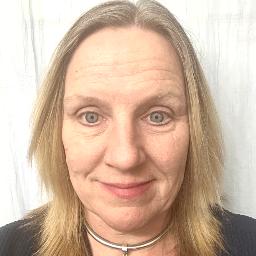
Crystal Gerlock
LCSW
Colorado - 30 yrs exp








How compulsion therapy works for Colorado residents
If you are exploring help for compulsive behaviors in Colorado, therapy typically focuses on understanding the patterns that keep those behaviors going and building practical strategies to reduce their impact. Treatment is collaborative - you and your therapist work together to identify triggers, learn skills to respond differently, and apply those skills in everyday situations. Sessions may include skill-building exercises, behavioral experiments, and planning for real-world situations where impulses are strongest.
Therapists who treat compulsion often tailor their approach to the demands of your life in Colorado. If you live in a busy city like Denver or Aurora you may work on strategies for coping in crowded public settings or at work. In smaller communities or mountain towns you may focus on managing urges when access to services or support networks looks different than in an urban area. The goal is to give you tools that fit your daily routines and local environment.
Common therapeutic approaches
Clinicians may use a range of methods that have been developed to address repetitive urges and behaviors. Cognitive behavioral strategies help you notice the thoughts and situations that lead to compulsive actions and then practice different responses. Exposure-based strategies involve gently facing triggers while learning to refrain from the behavior that usually follows. Habit-focused techniques teach alternative routines that interrupt automatic patterns. Many therapists combine these methods with skills for emotion regulation, stress management, and relapse prevention so you have a practical plan when challenges arise.
Finding specialized help for compulsion in Colorado
When searching for a therapist, look for clinicians who list compulsion, obsessive behaviors, or related concerns among their specialties. In major population centers such as Denver, Colorado Springs, and Aurora you will typically find a larger range of providers with focused experience. In university towns like Boulder and Fort Collins you may also find clinicians who specialize in research-informed methods and training programs that emphasize specific interventions.
Outside metropolitan areas, clinicians may offer a broader general practice that includes compulsion work. It can be helpful to read provider profiles to learn about training, years of experience, and therapeutic approaches. Some Colorado clinicians have training in behaviorally focused methods or additional certification in particular techniques. Consider also whether you want someone with experience working with adults, adolescents, couples, or families, since compulsive behaviors can affect relationships and daily routines in different ways.
What to expect from online therapy for compulsion
Online therapy is an increasingly common option in Colorado and can be especially useful if you live far from a clinic or have unpredictable work hours. With remote sessions you can connect from your home, office, or another location that allows privacy and focus. Many therapists use structured online sessions to teach the same tools they would in person, including guided exercises, exposure practices adapted for the home environment, and behavioral monitoring. You and your therapist may use video sessions to role-play responses, audio to practice relaxation skills, and text-based messaging for homework or check-ins between appointments.
Be aware that therapists who deliver online services must be licensed to provide care to people residing in Colorado. Ask about licensure, how sessions are scheduled, and how tools and homework will be shared. If you live in a rural part of the state or split time between locations, online therapy can reduce travel time and increase consistency in care. For some people, seeing a therapist from a different city like Denver or Boulder via video opens access to specific expertise that may not be available locally.
Common signs that someone in Colorado might benefit from compulsion therapy
You might consider seeking specialized help if repetitive behaviors or urges take up a large amount of time in your day, interfere with work or school, or cause you ongoing distress. Signs that therapy could help include repeated actions done to reduce anxiety or uncomfortable sensations, difficulty stopping a behavior even when you want to, or avoidance of people or places because of rituals. Compulsive behaviors can show up in many forms - from checking and counting to skin picking or other repetitive acts - and they may affect relationships, productivity, and well-being.
People often seek help when their patterns begin to limit activities they used to enjoy, when family or co-workers express concern, or when coping strategies no longer feel effective. In workplaces and campuses around Colorado, including in fast-paced urban centers and busy college towns, the impact of compulsive behaviors can be both personal and practical. Therapy can offer ways to reduce interference so you can engage more fully with daily life and responsibilities.
Tips for choosing the right therapist for this specialty in Colorado
Start by identifying what matters most to you - a specific therapeutic approach, experience with a particular age group, scheduling options, or cultural fit. Read provider profiles to learn about training and approach, and consider reaching out for a brief phone consultation to get a sense of rapport. Ask about experience with the types of compulsive behaviors you are dealing with, and whether the clinician uses structured methods such as behavior-focused interventions or exposure practices. It is reasonable to inquire about typical session length, frequency, and how progress is measured in therapy.
Consider practical factors as well. If you live near Denver or Colorado Springs you may prefer a provider who offers in-person appointments in addition to online sessions. If your schedule is constrained you may need evening or weekend availability. Discuss fees and whether the therapist accepts insurance or offers a sliding scale if cost is a concern. If cultural background or language is important to you, look for providers who indicate relevant training or multilingual abilities.
Your comfort with a therapist is a central part of effective care. In the first few sessions you should get a clear sense of the therapist's communication style, how they explain their approach, and whether their plan matches your goals. It is appropriate to reassess and switch providers if the fit is not right, since different approaches and personalities can make a meaningful difference in your progress.
Next steps and local resources
Use the listings on this page to narrow your options and contact providers for initial consultations. If you are in Denver, Aurora, Boulder, Fort Collins, or Colorado Springs, ask about local resources like support groups, campus counseling centers, or community mental health clinics that may complement individual therapy. Keep in mind that building new habits takes time and practice - a therapist can help you create a realistic plan with clear steps and support for setbacks along the way.
When you are ready, reach out to a few clinicians to compare approaches and availability. Finding the right match can help you take practical steps toward managing compulsive behaviors and improving daily functioning in the Colorado setting that matters most to you.