Find a Control Issues Therapist in Colorado
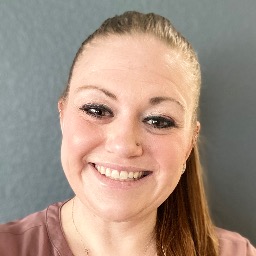
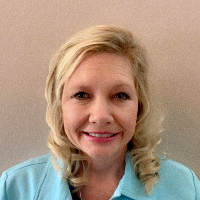
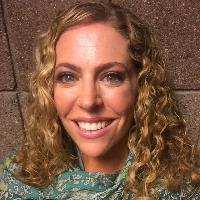
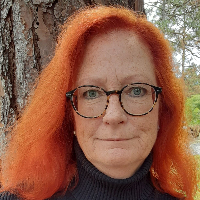
This page lists therapists across Colorado who focus on control issues, with profiles that highlight training, approaches, and location. Browse the listings below to compare providers near Denver, Colorado Springs, Aurora, and other communities across the state.




















How control issues therapy typically works for Colorado residents
When you seek therapy for control issues, the process usually begins with an intake conversation where a therapist asks about your history, current concerns, and what you hope to change. That initial assessment helps shape a collaborative plan that fits your life in Colorado - whether you live in a bustling urban neighborhood in Denver, commute outside of Boulder, or prefer the quieter pace of Fort Collins. Therapists use a blend of evidence-informed approaches that emphasize skill-building, insight, and practice in everyday situations. You can expect sessions to focus on identifying patterns that keep you stuck, learning strategies for tolerating uncertainty, and experimenting with small behavioral changes that shift how you relate to relationships, work, and daily routines.
Common approaches used in treatment
Different clinicians bring various orientations to control issues, and many combine methods to meet your needs. Cognitive behavioral approaches help you notice and test unhelpful thoughts that fuel controlling behavior. Dialectical-informed skills teach emotional regulation and distress tolerance so you can respond differently when anxiety or perfectionism rises. Acceptance-based approaches help you make room for uncomfortable feelings without having to manage every circumstance. If relationships are affected, therapists may bring in couple-focused work to improve communication and boundaries. Group programs and workshops can also be helpful if you want practice in a supported social setting.
Finding specialized help for control issues in Colorado
Colorado’s mix of urban, suburban, and mountain communities means care looks different depending on where you live. In Denver and Aurora you may find a wide variety of specialists and clinics offering targeted work for perfectionism, anxiety-driven control strategies, or relational control patterns. Colorado Springs and Fort Collins often have therapists who combine community-oriented approaches with individual therapy, and Boulder clinicians frequently incorporate mindfulness and acceptance-based practices. When you search for a provider, consider how their training and typical caseload match the kind of change you want. Look for clinicians who explicitly list control issues, anxiety, or related relational concerns among their specialties, and read profile notes on their approach and years of experience.
Local factors to consider
Practical factors such as travel time, parking, and seasonal access may influence whether you choose in-person care or remote sessions. If you live in mountain communities or smaller towns, online options expand your choices and make it more likely you will find someone with specific experience in control-focused work. You may also find community-based groups or workshops through local mental health centers, university programs, or community education offerings in cities like Denver and Boulder.
What to expect from online therapy for control issues
Online therapy can be a very practical option if you need flexible scheduling or live outside major metro areas. When you work with a therapist remotely, sessions typically take place via video and follow the same therapeutic structure as in-person work - assessment, goal setting, skill practice, and review. Online work makes it easier to schedule appointments around employment, school, or family responsibilities and to access clinicians who specialize in control issues even when they are not based in your city. You should expect to discuss logistics up front - how appointments will be conducted, how to handle cancellations, and what safeguards are in place to protect your information during sessions. Many therapists will also offer phone check-ins or worksheets you can use between sessions to practice coping strategies in real-life moments.
Benefits and practical tips for online sessions
Online therapy can help you apply new skills directly in the places where control issues play out, such as handling work meetings from home or practicing delegation in your actual household environment. To make the most of remote therapy, choose a quiet, comfortable space for sessions, test your technology before the first visit, and treat virtual appointments like in-person sessions by arriving prepared and having a plan for practicing strategies afterward. If you are in a different time zone while traveling in the state, coordinate appointment times with your therapist so you can maintain consistency.
Signs that you might benefit from control issues therapy
You might consider seeking help if you notice patterns such as persistent anxiety about outcomes, difficulty trusting others to manage tasks, and repeated conflict in relationships related to micromanaging or rigid expectations. You may feel exhausted by the need to plan and predict every situation, or notice that trying to control circumstances is interfering with your ability to enjoy work or leisure. Changes in mood, escalating tension with partners or coworkers, and avoidance of situations that might bring uncertainty are other common prompts for reaching out. Therapy is not only for crises - many people find preventive benefit in learning new ways to respond before patterns worsen.
Choosing the right therapist for control issues in Colorado
Picking a provider starts with clarifying what you want to change and what kind of working style fits you. Some people look for therapists who emphasize practical skills and structure, while others prefer a more exploratory approach that focuses on underlying experiences and relational patterns. Experience with control issues, evidence-based practices, and a therapist’s cultural background or familiarity with life in Colorado can all matter. If you live in Denver, you might prioritize a clinician who understands urban work-life pressures. In Colorado Springs you may value someone who appreciates military or high-stress professional contexts. In communities like Fort Collins and Boulder, clinicians often integrate outdoor, wellness-focused perspectives, which can complement the therapy process.
Practical considerations
Before committing to a therapist, see if you can schedule an initial consultation to ask about their approach to control issues, typical session structure, and expected time frames for change. Discuss logistics such as fees, insurance or payment options, cancellation policies, and whether they offer evening or weekend appointments if that fits your schedule. Pay attention to how the therapist responds to your questions - feeling heard and understood during that first exchange can be a strong indicator of fit. If you try a few sessions and it does not feel right, it is reasonable to explore other options until you find someone who matches your goals and communication style.
Getting started and next steps
Beginning therapy is a forward step toward changing patterns that may limit your relationships and daily life. Use the directory listings to find profiles that match your priorities, look for clinicians who explicitly mention control-related work, and take advantage of introductory calls to assess fit. Whether you choose in-person care in Denver, virtual sessions with a specialist elsewhere in the state, or hybrid arrangements, therapy can give you tools to tolerate uncertainty, shift rigid behaviors, and pursue a more balanced way of managing life. If you are ready, reach out to schedule an initial conversation and begin shaping a plan that fits your goals and Colorado lifestyle.