Find a Disability Therapist in Colorado
This page features therapists who focus on disability-related support across Colorado, including clinicians in Denver, Colorado Springs, and Aurora. Browse the listings below to compare specialties, approaches, and availability in your area.








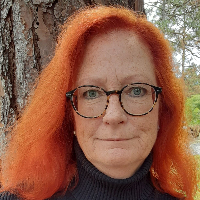
Crystal Gerlock
LCSW
Colorado - 30 yrs exp















Understanding disability therapy in Colorado
If you are exploring disability therapy in Colorado, you are looking for care that helps with practical challenges, emotional adjustment, and life participation. Disability therapy is not one-size-fits-all - it combines therapeutic skills with an understanding of functional needs and environmental factors. In Colorado, services are offered in a range of settings from clinics and community centers to school-based programs and virtual sessions, so you can find support that matches your daily routine and location.
How local context matters
The geography and community resources in Colorado influence how services are delivered. Urban areas like Denver, Colorado Springs, and Aurora tend to have more specialized clinics and multidisciplinary teams, while rural and mountain communities may rely more on telehealth and regional outreach programs. Knowing how services are organized in your region helps you set realistic goals and identify therapists who coordinate well with local providers and supports.
How disability therapy typically works for Colorado residents
When you begin disability therapy, the process usually starts with an intake conversation and a functional assessment. The clinician will gather information about daily routines, mobility, communication needs, mental health concerns, social supports, and any assistive devices you use. From there, you and the therapist co-create goals that could focus on independence at home, managing stress, navigating healthcare systems, or improving participation at work or school.
Therapy often involves teaching strategies you can use in everyday situations, practicing skills during sessions, and coordinating with other professionals such as occupational therapists, physiotherapists, educators, or case managers. In Colorado, therapists frequently work with local disability advocacy groups, vocational rehabilitation services, and community resources to help you access supports beyond counseling.
Working with multidisciplinary teams
If your needs cross several areas - for example mobility, communication, and employment - you may benefit from a team approach. Therapists in larger Colorado cities commonly collaborate with specialists who handle assistive technology, housing adaptations, or benefits navigation. This collaboration ensures that therapy is practical and aligned with the environmental changes that affect daily life.
Finding specialized help for disability in Colorado
Finding the right therapist means looking for both clinical skill and relevant experience. In your search, prioritize clinicians who list experience with disability-related concerns, accessibility planning, or rehabilitation-focused therapy. Credentials such as licensed clinical social worker, licensed professional counselor, or psychologist indicate clinical training, while additional certifications or coursework in rehabilitation, assistive technology, or neurodiversity can signal deeper specialization.
Geography plays a role in availability. If you live near Denver, Colorado Springs, or Aurora you will often find clinicians with experience in complex cases and access to local supports. If you live further afield, teletherapy can widen your options and help you work with specialists who are not nearby. Many therapists will describe their areas of focus and the populations they work with on their profiles, so review those details and reach out to ask how they adapt their approach to your situation.
What to expect from online therapy for disability
Online therapy can be a practical option in Colorado, especially when travel is difficult or you live outside major metropolitan areas. Sessions by video or phone let you meet from home, a clinic, or another comfortable environment. Therapists often adapt online sessions to focus on planning, coaching, and problem-solving - helping you apply techniques to tasks you perform between sessions.
There are limitations to consider. Some elements of therapy that rely on hands-on assessment or observation may be harder to replicate remotely. Broadband access can vary across Colorado, particularly in mountainous or rural regions, so check connectivity requirements before scheduling. When you choose teletherapy, ask how the clinician accommodates assistive technology, captions, or alternative communication methods, and whether they are licensed to practice in Colorado.
Signs you or someone you care about may benefit from disability therapy
You might consider disability therapy if daily tasks have become more challenging, if changes in mobility or cognition are affecting your routine, or if you are facing increased stress related to accessing services and supports. Emotional adjustment to a new diagnosis, difficulty managing pain or fatigue, struggles with social participation, or barriers to employment or education are common reasons people seek this specialty. You do not need to have a diagnosis to benefit - therapy can help when you want tools to manage change, improve functioning, or increase engagement in the life you want.
Choosing the right therapist for this specialty in Colorado
Selecting a therapist is a personal decision that benefits from practical questions and trial conversations. Begin by reviewing profiles to see who lists disability-related experience and which therapeutic approaches they use. Consider whether you prefer in-person sessions in Denver, Colorado Springs, Aurora, or another city, or if telehealth is a better fit given your schedule and mobility. When you contact a clinician, ask about their experience with accessibility accommodations, their familiarity with assistive technology, and how they coordinate care with other local services.
Insurance and payment options are also important. Many therapists accept private insurance, Medicaid, Medicare, or offer sliding scale fees. In Colorado, some clinics participate in state or regional programs that support people with disabilities. Ask potential providers what paperwork they handle and what you will need to prepare so you can focus on therapy rather than administrative hurdles.
Practical tips for the initial consultation
In your first conversation with a therapist, describe the challenges you are facing and the goals you want to achieve. Ask about the therapist's approach to problem-solving, how they measure progress, and examples of interventions they have used with individuals who had similar needs. Inquire about scheduling flexibility, options for family or caregiver involvement, and whether the therapist can provide community-based visits if that would be helpful. Pay attention to how comfortable you feel communicating with the clinician - a good working relationship is a strong predictor of helpful outcomes.
Making the most of therapy in Colorado
To get the most out of disability therapy, come prepared with specific examples of situations you want to improve and with any documentation that helps the clinician understand your needs. Set short-term goals that are realistic for your context and revisit them regularly. If you live near hubs like Denver or Boulder, consider visiting community centers or support groups that complement therapy. If you are in Colorado Springs or Aurora, ask about local resources that can assist with vocational goals, housing adaptations, or transportation supports. Your therapist can help you link to these services and advocate for practical adjustments when needed.
Therapy is a collaborative process. You can expect the pace and content to change as your needs evolve, and it is reasonable to ask for adjustments to how therapy is delivered. Whether you meet in person or online, focus on building skills that you can use in the settings that matter to you - at home, at work, at school, and in the community.
Next steps
When you are ready, use the listings above to compare clinicians by background, specialties, and availability. Reach out with a brief message about your goals, ask the practical questions that matter to you, and arrange an initial conversation. Finding the right therapist may take time, but starting with clear priorities and a sense of the local options in Colorado will help you make a confident choice.