Find a Disaster Relief Therapy Therapist in Colorado
This page connects you with therapists in Colorado who focus on disaster relief therapy, helping people recover after emergencies and community traumas. Browse the listings below to compare clinicians near Denver, Colorado Springs, Aurora, Boulder, and Fort Collins and find a provider who fits your needs.






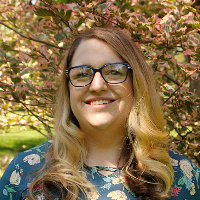
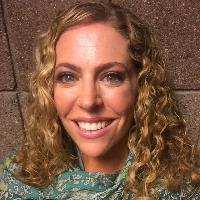
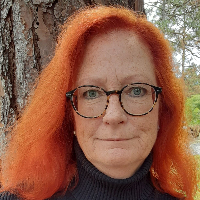
Crystal Gerlock
LCSW
Colorado - 30 yrs exp











How disaster relief therapy can help people in Colorado
If you live in Colorado you know the state faces a range of hazards - wildfires, floods, severe storms, and other emergencies can affect individuals and whole communities. Disaster relief therapy is designed to help you cope with the emotional, practical, and social fallout that follows these events. It typically focuses on stabilizing immediate distress, building coping skills, and helping you reconnect with daily routines and supports. Therapists who specialize in this work draw on trauma-informed approaches to help you process what happened, manage overwhelming memories or anxiety, and rebuild a sense of safety in your day-to-day life.
Finding specialized help in Colorado
When you look for a therapist for disaster-related concerns in Colorado, you will want someone with specific experience responding to traumatic events and community loss. Many clinicians offer targeted training in trauma-focused approaches and have worked with first responders, families who have lost homes, or communities affected by evacuation orders. You can search for providers who mention disaster response, trauma, crisis intervention, or community resilience in their profiles. Local community health centers, nonprofit organizations, and county behavioral health departments often coordinate with mental health professionals after major incidents, so checking resources in your city - whether Denver, Colorado Springs, Aurora, Boulder, or Fort Collins - can point you toward clinicians who are familiar with the local context.
Credentials and experience that matter
Licensure and relevant training are important. Therapists licensed in Colorado will understand state laws and regional resources. Look for clinicians who describe training in trauma-focused therapies, crisis intervention, or disaster mental health. Experience working with diverse populations and with the practical aftermath of disasters - such as displacement, insurance issues, or school disruptions - can be especially valuable. You can ask prospective providers about their work with community-wide events, whether they coordinate with local agencies, and how they support people dealing with both emotional recovery and practical tasks.
What to expect from online therapy for disaster relief
Online therapy can be a practical option if travel is difficult because of damage, transportation interruptions, or displacement. If you choose teletherapy you will find it makes scheduling easier and can connect you with specialists who may not be available locally. Sessions often follow the same structure as in-person work - initial assessment, goal-setting, and regular sessions - but there is also an emphasis on establishing a reliable and private setting in your home or temporary location and making a plan for safety and emergencies during sessions. Before you begin, confirm that the clinician is licensed to provide services to people residing in Colorado and ask how they handle situations that need immediate local support.
How online and in-person care complement each other
In some cases you may start with remote sessions for immediate support and later transition to in-person care when that is possible. Therapists who do both can help coordinate care and connect you with local supports, including group programs or community resources in cities like Denver and Colorado Springs. If you prefer face-to-face sessions, many providers offer clinic locations or community-based meeting options in larger metro areas while maintaining teletherapy options for follow-up visits.
Signs you might benefit from disaster relief therapy
If you have experienced a recent disaster or a traumatic event, certain changes in your mood, thinking, or behavior may indicate that professional support could help. You might find yourself re-experiencing distressing images or memories, having trouble sleeping, feeling unusually irritable or on edge, avoiding places or conversations that remind you of the event, or noticing difficulty concentrating. Daily responsibilities at work, school, or home may feel overwhelming when they did not before. You may also notice increased use of substances as a way to cope, or strained relationships as you and the people around you process the event differently. These reactions are common after major disruptions, but if they interfere with your ability to function or feel like they are not improving, that is a reasonable signal to seek help.
Tips for choosing the right therapist in Colorado
Start by clarifying what you need - immediate stabilization, help processing traumatic memories, support for grief and loss, or assistance with rebuilding routines and community connections. Read clinician profiles to find references to disaster response, trauma-informed care, or work with populations affected by emergencies. When you contact a therapist, ask about their experience with similar events, what approaches they use, and how they structure sessions in the weeks after a disaster. You can also inquire about logistical matters like session frequency, fees, insurance options, and whether they offer sliding scale rates or work with community organizations that provide low-cost care.
Consider fit beyond credentials
Therapeutic fit includes comfort with the clinician's style, cultural understanding, and shared expectations about goals. If you live in a particular community within Colorado, such as Aurora or Boulder, you may prefer someone familiar with local recovery systems, schools, and municipal resources. Trust your instincts during an initial consultation - it is okay to try a few providers before deciding who feels most helpful to you. A good therapist will explain their approach, listen to your concerns, and outline a plan tailored to your needs.
Working with a therapist after an immediate crisis
In the days and weeks after an incident therapists often focus on short-term strategies to reduce distress, improve sleep, and manage overwhelming emotions. As you move forward, therapy may shift to processing the event, addressing longer-term anxiety or grief, and rebuilding a sense of control and purpose. Therapists often connect people with practical supports such as case management, housing resources, or community groups that facilitate recovery. If you work with a therapist in Denver or another city, they can also help you navigate local supports and link you to groups and programs that match your situation.
Taking the next step
Searching for a disaster relief therapist in Colorado can feel daunting, but taking small steps - reviewing profiles, scheduling brief consultations, and asking targeted questions about experience and approach - will help you find someone who can support your path to recovery. If you are in immediate danger or facing an urgent risk to your safety, call local emergency services or a crisis hotline for immediate assistance before seeking ongoing therapy. Otherwise, use the listings above to compare clinicians, request an introductory call, and choose the provider who offers the combination of expertise, accessibility, and personal fit that meets your needs.
Recovery after a disaster is a process, and you do not have to navigate it alone. Whether you prefer in-person support in a nearby city or the convenience of online sessions, qualified therapists in Colorado can help you build coping skills, process what happened, and reconnect with your life and community.