Find an Eating Disorders Therapist in Colorado
This page highlights licensed therapists in Colorado who focus on eating disorders. Browse the listings below to compare clinicians by specialty, approach, and location.




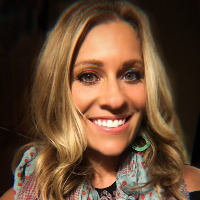
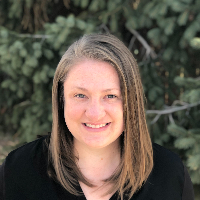
Lindsey Korbitz
LPC
Colorado - 18 yrs exp






How eating disorders therapy typically works for Colorado residents
When you reach out for help with an eating disorder in Colorado, the process usually begins with an intake conversation to understand your current concerns, history with eating and body image, and any medical or nutritional needs. Therapists will gather information about patterns that affect daily life - for example, meal avoidance, binge episodes, or rigid rules around food and exercise - and discuss what goals feel most important to you. From there, many providers create a treatment plan that blends psychotherapy, coordination with medical and nutritional professionals when needed, and practical strategies you can use between sessions. Treatment often unfolds over weeks or months and is adjusted as you make progress or face setbacks.
Finding specialized help for eating disorders in Colorado
Colorado has a mix of urban and rural communities, so the way you find a therapist may depend on where you live. In Denver, Boulder, Aurora, and Colorado Springs you are more likely to find clinicians with extensive specialization in eating disorders and access to multidisciplinary teams. In more remote parts of the state, you may find experienced general mental health clinicians who work closely with dietitians and primary care providers to meet your needs. Look for clinicians who list eating disorders as a specialty, who describe training in evidence-based approaches, and who are comfortable collaborating with medical professionals when monitoring weight, labs, or physical health is important. If you are currently seeing a physician or nutritionist, ask if they can recommend therapists who regularly coordinate care for eating disorder treatment.
What to expect from online therapy for eating disorders
Online therapy has become a practical option for many people across Colorado, particularly if you live outside major cities like Fort Collins or if transportation and scheduling are barriers. When you choose online therapy you can expect video or phone-based sessions that mirror in-person appointments in frequency and structure. Many therapists will use digital tools to support meal planning, symptom tracking, and communication between sessions. If you opt for online work, be sure to confirm that the clinician is licensed to practice in Colorado and that they follow state telehealth guidelines. You should also ask how they handle emergency or urgent situations, and whether they have local resources to recommend if in-person medical evaluation becomes necessary. Online therapy can expand your choices and help you connect with specialists who may not be located near you, while still supporting coordinated care with local providers.
Common signs that someone in Colorado might benefit from eating disorders therapy
Noticing when food and body concerns are affecting your quality of life is an important first step. You might benefit from therapy if your thoughts about weight, shape, or eating take up a large portion of your day, if you feel compelled to follow strict eating rules that interfere with work or relationships, or if you engage in behaviors like binge eating, purging, or compulsive exercise to manage stress. Other signs include avoiding social events because food will be present, experiencing dramatic weight changes, or having difficulty concentrating because of worries about eating or body image. Physical symptoms such as persistent fatigue, dizziness, or changes in digestion can also indicate that professional support is needed - particularly when those symptoms relate to eating or restrictive behaviors. If you live in a community with limited local resources, reaching out to a therapist online can be a practical way to start addressing these concerns before they worsen.
What therapy approaches may look like
Therapists who treat eating disorders often draw from several evidence-informed approaches tailored to your age and situation. Some clinicians use cognitive-behavioral techniques to help you shift unhelpful thoughts and develop more flexible eating patterns. Family-based approaches can be central for adolescents, with caregivers actively involved in restoring healthy eating and weight. Other therapists incorporate emotion regulation skills and relapse prevention strategies to address underlying stressors, mood symptoms, or trauma that can contribute to disordered eating. Therapy is not one-size-fits-all - an effective plan will reflect your preferences, values, and daily life. You should expect your therapist to explain the rationale for their techniques and to adapt their methods over time as you progress.
Tips for choosing the right therapist for eating disorders in Colorado
When you start your search, consider a few practical factors that will shape the therapeutic relationship. Look for clinicians who specifically state experience with eating disorders and who describe the populations they work with - for example, adolescents, adults, athletes, or people of specific cultural backgrounds. Ask about their training and whether they work collaboratively with registered dietitians and medical providers when needed. Consider logistics like location - if you prefer in-person sessions, search in your city such as Denver or Colorado Springs - or confirm that online sessions are available across the state. Insurance and payment options matter too, so inquire about coverage, sliding scale availability, and session length. In your first sessions you should feel heard and have a clear idea of the treatment plan, expected session frequency, and how progress will be measured. Trust your instincts - a therapist who listens, explains options clearly, and respects your goals is more likely to be a helpful partner in recovery.
Practical considerations specific to Colorado
Living in Colorado can bring unique considerations to eating disorder treatment. Seasonal shifts and outdoor activity culture can influence body image and exercise patterns, and living in mountain regions may impact access to multidisciplinary care. If you are a college student, many campuses in Colorado Springs, Fort Collins, and Boulder offer counseling resources that can be a helpful starting point. Veterans, athletes, and people working in hospitality or outdoor industries may face additional pressures around appearance and performance, so seeking a provider who understands your work context can improve outcomes. Transportation, weather, and rural distances sometimes make online therapy a more reliable option during winter months. Regardless of your circumstances, a therapist who understands the local environment and available community resources can better tailor recommendations.
Next steps when you are ready
Start by reviewing clinician profiles to identify a few therapists whose approach and experience align with your needs. Reach out to ask about intake availability, whether they collaborate with medical and nutritional providers, and how they handle emergencies or urgent concerns. If the first match does not feel right, it is appropriate to try another clinician until you find someone who fits. Recovery and management of eating disorders is often a gradual process with ups and downs, and having a consistent therapy relationship can provide steady support. Whether you live in Denver, Aurora, Boulder, or elsewhere in Colorado, there are clinicians ready to work with you - taking that first step to browse listings and make a contact can begin a meaningful path toward better daily functioning and well-being.
Need help narrowing your options?
If you would like to focus your search, consider prioritizing clinicians who list specific training in eating disorders, who are open to coordinating care with your physician or dietitian, and who offer the session format - in-person or online - that best fits your schedule. Comparing a few profiles and having short initial calls can help you find a therapist who understands both the clinical aspects of eating disorders and the practical realities of living in Colorado. When you feel ready, reach out and schedule a consultation to explore next steps.