Find a Family of Origin Issues Therapist in Colorado
This page lists therapists practicing in Colorado who specialize in family of origin issues, with options in cities such as Denver, Colorado Springs and Aurora. Browse the listings below to review credentials, specialties, and availability to identify a promising fit.









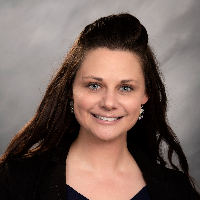
Crystal Gerlock
LCSW
Colorado - 30 yrs exp




How family of origin issues therapy works for Colorado residents
Family of origin therapy focuses on the patterns, roles and relationships you learned growing up and how those early dynamics continue to affect the present. In Colorado, therapists who specialize in this area typically blend approaches from family systems, attachment theory and trauma-informed care to help you trace behaviors and beliefs back to formative experiences. A typical course of work begins with mapping family relationships and histories, exploring recurring themes or conflicts, and then developing strategies to respond differently in relationships today. Sessions may be offered in person in urban centers like Denver and Boulder or via video and phone to reach people across mountain towns and rural communities.
Finding specialized help for family of origin issues in Colorado
When looking for a therapist who understands family of origin dynamics, you will want to pay attention to training and experience as well as the populations a clinician works with. Many Colorado therapists hold licenses such as Licensed Professional Counselor, Licensed Clinical Social Worker or psychologist credentials and will list specific training in family systems, attachment-focused therapy, or trauma work. Cultural awareness and experience with diverse family structures can be particularly important in Colorado, where you may find a mix of urban, suburban and rural values. In cities like Denver, Colorado Springs and Aurora there is often greater availability of clinicians with niche expertise, while in smaller towns you may rely more on clinicians who integrate family of origin treatment into broader practice areas.
Where to look and what to expect from profiles
Therapist profiles typically describe the clinician’s theoretical orientation, years of practice and areas of specialty. Look for descriptions that include family history work, genogram use, systems thinking or intergenerational trauma, and pay attention to client age ranges they accept - some therapists focus on adults processing their family history, while others have experience working with adolescents and young adults who are still navigating family patterns. You can also note practical details such as whether the therapist offers evening appointments, accepts insurance common in Colorado plans, or has bilingual services if you prefer sessions in another language.
What to expect from online therapy for family of origin issues
Online therapy has become a widely used option across Colorado, allowing you to access specialized clinicians without geographic limitations. For family of origin work, virtual sessions can be very effective for reflection, narrative exploration and skill-building. Therapists will often ask you to create a calm setting at home and to be prepared for emotionally charged conversations. You should choose a time and space where interruptions are minimized and you can remain present; a quiet, private space is helpful for deep reflection.
Logistically, online sessions run similarly to in-person therapy - you book an appointment, complete an intake, and meet regularly to work through goals. Some clinicians use supplementary materials such as worksheets, guided visualizations or genogram exercises that you can complete between sessions. If you live in Colorado but travel frequently between towns like Fort Collins and Boulder, online sessions can provide continuity of care. Keep in mind that state licensing affects how therapists deliver telehealth, so confirm that a clinician is authorized to provide services to residents in the location where you will be during sessions.
Common signs that someone in Colorado might benefit from family of origin issues therapy
You might consider exploring family of origin therapy if you notice recurring relationship patterns that are difficult to change - this can appear as repeated conflict in romantic relationships, difficulty setting boundaries with relatives, or a tendency to repeat caretaking or distancing roles you observed growing up. Other signs include strong emotional reactions to family gatherings, persistent anxiety related to family expectations, or a sense that certain beliefs about worth and responsibility come from earlier family messages rather than your current values.
Colorado residents sometimes find these issues surface in transitional moments - moving to a new city, starting a family, or facing retirement. In Denver and Aurora, where many people relocate for work, family of origin themes may resurface when rebuilding social supports. In Colorado Springs and mountain communities, longstanding family roles can shape identity in ways that feel hard to shift. Therapy provides a space to examine these patterns without judgment and to practice new ways of relating that fit your life now.
Tips for choosing the right therapist for this specialty in Colorado
Start by clarifying your goals - whether you want to understand family narratives, repair relationships, adjust parenting approaches, or work through emotional legacies. Once goals are clear, look for clinicians who explicitly mention family of origin work and describe methods that align with your needs, such as family systems, attachment-based therapy or narrative therapy. Consider practical factors as well - availability for evenings or weekends if you work full time, proximity to transit in cities like Denver, or telehealth options if you live in a rural area.
It is also useful to consider cultural competence and lived experience. You may prefer a therapist who understands the cultural, religious or socio-economic contexts that shaped your family. If identity-related concerns are part of the work - for example, race, ethnicity, gender or sexual orientation - search for clinicians who note experience with those populations. Many therapists provide an initial consultation or phone call so you can get a sense of their style and whether you feel heard and respected. Trust your sense of fit after a first session; effective therapy often depends on the relationship as much as on technique.
Practical considerations for Colorado residents
Insurance coverage, sliding scale fees and licensing are practical details to check when comparing clinicians across Colorado. If cost is a concern you can ask practitioners about payment options or seek community mental health centers that offer lower-cost services. For those living outside metropolitan areas, telehealth expands access to specialists who may not practice locally. Some therapists also offer group work or workshops focused on family of origin themes - these formats can provide both education and peer support and are sometimes available in larger communities such as Denver or Boulder.
Preparing for your first sessions
Before the first appointment, consider jotting down key family memories, recurring patterns you have noticed, and the specific outcomes you hope to achieve. Sharing this material helps a therapist tailor the work to your history and priorities. Be ready for some emotional moments - family of origin therapy often touches on early attachments and unmet needs - and discuss pacing with your therapist so you progress at a manageable pace.
In Colorado, moving into this work can be a way to reshape how you relate to others and to yourself. Whether you are in an urban neighborhood in Denver, a suburban setting in Aurora, or a foothills community near Colorado Springs, specialized family of origin therapy can be adapted to your context and needs. Use the listings on this page to explore clinician profiles, ask about their approach to family of origin issues, and take the first step toward a clearer understanding of how your past influences your present relationships.