Find a Guilt and Shame Therapist in Colorado
This page features therapists across Colorado who focus on guilt and shame. Browse the listings below to compare specialties, locations, and availability.



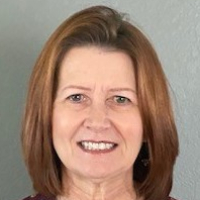











Crystal Gerlock
LCSW
Colorado - 30 yrs exp

Lindsey Korbitz
LPC
Colorado - 18 yrs exp








How guilt and shame therapy works for Colorado residents
Therapy for guilt and shame helps you examine feelings that carry over into daily life, relationships, and work. In Colorado, therapists often blend clinical approaches to meet your needs - cognitive strategies to shift unhelpful thinking, emotion-focused work to process painful feelings, and compassion-based practices to build a kinder relationship with yourself. Sessions typically begin with an assessment of what keeps your guilt or shame active, then move toward practical skills and reflective work that fit your life in cities like Denver or quieter mountain communities.
Therapists commonly tailor treatment to the situations that triggered your feelings - whether a personal mistake, family dynamics, cultural expectations, or reactions after a difficult event. Because guilt and shame can be layered with anxiety or low mood, practitioners tend to work collaboratively with you to set small, measurable goals and identify exercises you can use between sessions to reinforce change.
Finding specialized help for guilt and shame in Colorado
When you look for a therapist in Colorado who focuses on guilt and shame, start by checking professional profiles to learn about training and clinical interests. Many clinicians list the approaches they use, such as cognitive behavioral techniques, compassion-focused therapy, or narrative work that helps you reframe the story you tell about yourself. If you live in Denver, Colorado Springs, Aurora, Fort Collins, or Boulder, you will find clinicians with varied specialties and availability. If you live outside those population centers, teletherapy options can broaden your choices and connect you with practitioners who understand issues common to Colorado residents.
Consider reaching out to community counseling centers, university training clinics, and private practices to ask about experience working with guilt and shame specifically. You can also inquire about whether a therapist has worked with issues that often coexist with guilt and shame, such as trauma responses or relationship challenges. Asking direct questions about the therapist's approach will help you find someone whose style matches your expectations.
What to expect from online therapy for guilt and shame
Online therapy can be an effective way to address guilt and shame while fitting into your schedule. Sessions commonly take place over video or phone and follow a similar structure to in-person work - an initial intake, goal setting, regular sessions, and periodic reviews of progress. You should ask potential therapists how they protect your personal information and what platform they use for sessions, and clarify contingency plans for technical interruptions or emergencies.
Online therapy can be especially helpful if you live in more rural parts of Colorado or have limited mobility. You may find clinicians in Denver, Aurora, or Boulder who offer teletherapy to residents across the state. When you begin online work, choose a comfortable and comfortable environment for sessions and talk with your clinician about how to manage moments of strong emotion between meetings. Many therapists provide brief calming techniques or grounding exercises you can use at home.
Common signs you might benefit from guilt and shame therapy
You might consider seeking help if feelings of guilt or shame are frequent, intense, or affecting your daily functioning. If you find yourself replaying events in your head for hours, avoiding people or situations to escape judgment, or taking on excessive responsibility for outcomes that were not entirely under your control, therapy may help. Other signs include a persistent inner critic that undermines your confidence, difficulty forming close relationships because you expect rejection, or self-punishing behaviors that interfere with your goals.
People often come to therapy after a specific incident, such as a breakup, a mistake at work, or an interpersonal conflict, but some pursue help because these feelings are long-standing and resistant to self-help strategies. If you notice a decline in your enjoyment of activities, a drop in your energy, or trouble concentrating because of ruminating thoughts, a therapist can work with you to identify patterns and develop alternative responses.
Tips for choosing the right therapist for this specialty in Colorado
Choosing a therapist is a personal decision and a practical process. Start by identifying the qualifications that matter to you - licensure, years of clinical experience, and training in modalities that address shame and guilt. Read profiles to see if the therapist has written about working with issues like self-blame, moral injury, or cultural shame. If language or cultural competence matters, look for clinicians who list relevant experience.
Think about logistics as well. If you live in or near Denver, Aurora, or Colorado Springs, you may prefer occasional in-person visits combined with online sessions. If you live farther away, prioritize clinicians who offer teletherapy across the state. Ask about fees, whether they accept your insurance, and whether they offer sliding scale payment if that matters to you. A clear conversation about scheduling, cancellation policies, and expected session length will help you avoid surprises.
When you contact a therapist, notice how they respond to your questions. A helpful clinician will explain their approach in plain language, describe what early sessions will focus on, and discuss how you will measure progress. You should feel able to mention any preferences you have about the pace of therapy, homework, or involvement of family members. Compatibility is as important as formal qualifications - feeling heard and respected in the first few contacts is a good sign.
Practical considerations for Colorado residents
Colorado's geography and community variety shape how people access therapy. Urban residents often have many local options, while those in mountain towns or on the plains may rely more on teletherapy. Seasonal work patterns, outdoor recreation, and travel can affect scheduling, so discuss flexibility with potential therapists. If you are part of a community with specific cultural expectations - whether in Boulder, Fort Collins, or smaller towns - seek practitioners who appreciate those influences and can integrate them into treatment.
If you are concerned about cost or coverage, ask prospective therapists about billing, insurance, and available low-cost clinics. University training centers and nonprofit organizations can sometimes offer reduced-fee services. Clarifying these practical matters early helps you focus on the therapeutic process once you start.
Working with your therapist once you start
After you begin therapy, expect the first few sessions to involve information-gathering and setting goals. You and your therapist will work to identify triggers for guilt and shame, patterns of thinking, and ways those feelings affect your relationships and daily life. Your clinician may suggest exercises to practice between sessions - journaling, self-compassion exercises, behavioral experiments, or communication skills - depending on your needs.
Progress is often gradual. You may see immediate relief from specific techniques and slower shifts in long-standing beliefs about yourself. Regular check-ins with your therapist about what is or isn't helping will keep the work focused. If a particular approach does not feel right, bring that up - most therapists will be willing to adapt strategies or recommend another clinician whose style might be a better fit.
Whether you live in a busy city center or a quieter Colorado community, help is available to address persistent feelings of guilt and shame. Use the listings above to find clinicians who match your needs, and reach out to start a conversation. Taking the first step to connect with a therapist is a practical move toward feeling more balanced and able to engage with the life you want to build.