Find an Older (45+) Therapist in Colorado
This page highlights therapists in Colorado who specialize in working with older adults (45+), with options across Denver, Colorado Springs, Aurora and other communities. Browse the listings below to compare clinical approaches, locations, and contact options so you can take the next step toward care.

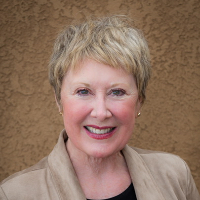






Crystal Gerlock
LCSW
Colorado - 30 yrs exp



Toni Kooy
LPC
Colorado - 20 yrs exp
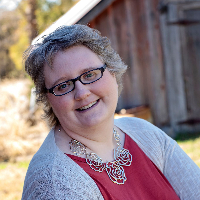



Dr. Georgia Robertson
LPC
Colorado - 23 yrs exp

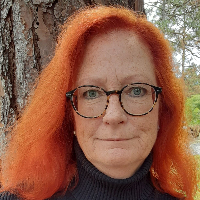
Heather Raymo
LCSW
Colorado - 29 yrs exp



How older (45+) therapy typically works in Colorado
Therapy for older adults in Colorado often focuses on the life stages and transitions common after midlife - changes in family roles, career shifts, retirement planning, grief and loss, health-related stress, and shifting social networks. When you reach out to a therapist you will usually begin with an initial assessment conversation that explores the challenges you are facing, your goals for therapy, and what has or has not helped in the past. From there a therapist will suggest a course of work - that might involve short-term problem-focused sessions, ongoing talk therapy, or referral to other community resources. Practitioners licensed in Colorado follow the state’s standards for professional care and can explain how they tailor methods to the needs of older adults.
Where therapy happens
You can find therapists offering in-person appointments in urban centers such as Denver, Colorado Springs and Aurora, as well as in smaller cities like Fort Collins and Boulder. Many clinicians also provide online appointments which expand access if you live in a rural part of the state or have mobility or scheduling constraints. When you consider a clinician’s location, think about travel time, parking, transit options and how comfortable you will feel arriving for appointments in person.
Finding specialized help for older adults in Colorado
When you search for a therapist who focuses on older adults, look for clinicians who mention experience with midlife and later-life issues, age-related transitions, caregiving dynamics, and concerns that can come up in long-term relationships. Therapists may list credentials such as LCSW, LPC, LMFT, PsyD or PhD, and you can use those designations to understand their training and approach. Reading provider bios helps you learn whether someone has worked with people in your age range and whether they offer the therapy modalities you prefer, such as cognitive-behavioral techniques, interpersonal approaches, or life review therapy focused on meaning and legacy.
Questions to guide your search
As you browse listings in Denver, Aurora or Colorado Springs, consider which practical details matter most to you - availability for daytime or evening sessions, in-person versus online options, and whether a clinician has experience with issues you are facing. You may want to ask about a therapist’s approach to common age-related concerns, their experience supporting people through retirement or bereavement, and whether they coordinate care with medical providers. If insurance matters to you, verify whether a clinician accepts your plan and what out-of-pocket costs you can expect.
What to expect from online therapy for older adults (45+)
Online therapy can be a convenient option if you live outside Colorado’s larger cities or have mobility and time constraints. Sessions typically take place through video or phone and follow much the same structure as in-person work - you and your therapist will agree on goals, meeting cadence and strategies for tracking progress. Before you begin, confirm the technical requirements such as a smartphone, tablet or computer with a reliable internet connection and a quiet place to talk. You should feel comfortable asking a clinician how they protect your privacy and what steps they take to keep session details comfortable and accessible only to you and the provider.
Advantages and limitations
One advantage of online work is access - you can connect with clinicians who practice in Denver, Boulder or Fort Collins even if you live hours away. Online sessions also reduce travel burden and can make it easier to maintain consistent appointments. A limitation is that some therapeutic techniques are easier to deliver in person, and you may prefer face-to-face meetings for certain issues. If you have sensory needs, hearing or vision changes, discuss accommodations with your therapist so the technology works for you.
Common signs someone in Colorado might benefit from older adult therapy
You might consider seeking help if you notice persistent changes in mood that affect daily life, prolonged difficulty adjusting to a major life transition such as retirement or the loss of a loved one, strained family caregiving relationships, or increased anxiety about health and future planning. Other signals include withdrawing from activities you once enjoyed, difficulty managing chronic medical conditions because of stress, or recurring feelings of purposelessness that affect sleep, appetite or energy. These are not medical conclusions but common experiences people bring to therapy in Colorado communities from Denver to Colorado Springs.
When to reach out
It can be helpful to contact a therapist early - you do not need a crisis to find value in talking with a clinician. If daily routines are increasingly difficult, if relationships are suffering, or if you repeatedly put off the things that matter to you, those are valid reasons to seek support. Therapists can help you develop practical coping strategies, improve communication with family members, and create a plan for navigating transitions with greater clarity.
Tips for choosing the right therapist in Colorado
Choosing a therapist is a personal decision. Start by reading provider biographies and noting those who explicitly mention work with older adults (45+). Look at their stated specialties, therapeutic approaches, and experience with issues you face. Consider whether you prefer a clinician who emphasizes practical skills, insight-oriented conversation, or a combination of methods. Geography and scheduling matter too - if you live in or near Denver, Aurora or Boulder you may prefer someone nearby for occasional in-person support, while those in more rural counties might prioritize a clinician who offers telehealth. Reaching out for an initial phone or email conversation can give you a sense of rapport and responsiveness before you book a first session.
Practical considerations
Ask about session length and frequency, fees, insurance and whether the therapist offers sliding scale rates if cost is a concern. Clarify the process for cancellations and what to do if you have an urgent concern between sessions. If you rely on medication for mental health or medical conditions, find a therapist who is comfortable collaborating with prescribing providers to coordinate care. Trust your instincts about comfort and fit - the quality of the working relationship is one of the strongest predictors of positive outcomes.
Moving forward - how to take the next step in Colorado
Once you identify several therapists who seem like a fit, reach out to ask brief questions and see who responds in a way that feels respectful and practical. Scheduling an initial session gives you a clearer sense of whether the therapist understands your goals and can offer a helpful path forward. If the first therapist is not the right match, that is a normal part of the process - you can change clinicians until you find someone whose style and expertise align with your needs. Whether you live in Denver, Colorado Springs, Aurora, Fort Collins, Boulder or elsewhere in the state, there are clinicians who focus on the unique challenges and opportunities of midlife and later life. Taking the step to explore listings and contact a therapist is a practical move toward support and understanding during this stage of life.