Find a Self-Harm Therapist in Colorado
This page lists therapists in Colorado who specialize in supporting people who self-harm, with both in-person and online options across the state. Browse the listings below to compare approaches, locations, and therapist backgrounds to find a good fit.


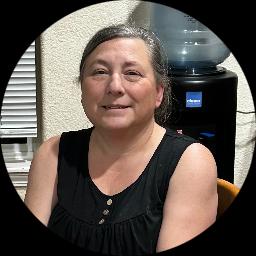
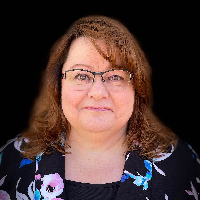
Crystal Gerlock
LCSW
Colorado - 30 yrs exp
















How self-harm therapy typically works for Colorado residents
When you seek therapy for self-harm in Colorado, the process usually begins with an assessment to understand your current patterns, triggers, strengths, and immediate needs. Therapists will work with you to create a plan focused on reducing harm, increasing coping options, and addressing underlying issues such as emotional regulation, interpersonal conflict, or past trauma. Sessions often include learning new skills to manage intense feelings and developing a collaborative safety plan for times when urges feel overwhelming. The pace and focus of therapy are tailored to your goals, whether you want short-term crisis stabilization or longer-term exploration of the factors that contribute to self-harm.
Finding specialized help for self-harm in Colorado
Finding a therapist who has specific experience with self-harm can make an important difference in how supported you feel. Look for clinicians who list self-harm, self-injury, or related terms among their specialties and who describe concrete approaches for safety planning and skills training. You can narrow your search by location if you prefer in-person sessions in cities such as Denver, Colorado Springs, or Aurora, or you can choose therapists who offer remote sessions if travel or scheduling is a barrier. In university towns like Boulder and Fort Collins, you may also find clinics and training centers that offer evidence-informed care and opportunities to access care at reduced rates. Consider whether you want someone who emphasizes skill-based work, trauma-informed therapy, or a more exploratory psychodynamic approach - each can be appropriate depending on your situation and preferences.
What to expect from online therapy for self-harm
Online therapy can be an effective option if you live in a rural area of Colorado or need flexible scheduling. In an online session you will typically meet with your clinician through video, phone, or messaging. Therapists will still conduct an assessment and work with you on safety planning, coping strategies, and addressing underlying concerns. Many clinicians prepare a collaborative crisis plan that explains what steps you and your therapist will take if you are at risk between sessions. You should expect your therapist to discuss boundaries, availability, and what resources are available locally to you, such as emergency services or walk-in mental health clinics. If you are in Denver, Colorado Springs, Aurora, or smaller Colorado communities, your therapist may encourage you to identify nearby supports who can help in an emergency and will clarify when and how they contact local services if immediate intervention becomes necessary.
Practical considerations for online care
Before starting online therapy, check whether your therapist is licensed to practice in Colorado and whether their online practice follows state regulations. Make sure you have a reliable internet connection and a private place to meet. Discuss technology preferences and contingency plans for disconnections. If you are managing intense urges, talk with your clinician about how to make your environment less triggering during sessions and who you can reach out to locally for in-person support if needed. Many therapists will also provide worksheets, skills coaching, and short check-ins between sessions when appropriate.
Common signs that someone in Colorado might benefit from self-harm therapy
You might consider seeking specialized help if you notice recurring thoughts about harming yourself, frequent urges to injure, or behaviors intended to cause physical harm even when you do not intend a fatal outcome. Changes in daily functioning such as withdrawing from friends and family, increased substance use, difficulty managing stress, or a sudden worsening of mood can also indicate that professional support would be helpful. If you find that self-harm is being used as a primary way to cope with overwhelming emotions, or if the behavior is increasing in frequency or intensity, a therapist experienced in this area can help you explore alternatives and develop a safety plan. Friends or family in Colorado who observe repeated scars, bandaging that seems unusual, or avoidance of activities that expose parts of the body may encourage their loved one to consider professional support. If immediate danger is present, contact local emergency services right away.
Tips for choosing the right therapist for this specialty in Colorado
Choosing a therapist is a personal decision and it helps to be thoughtful about what matters to you. Start by reviewing therapist profiles to see how they describe their experience with self-harm and their typical approaches. You may prefer someone who mentions evidence-based methods such as dialectical behavior strategies for managing urges, trauma-informed care, or therapies focused on emotional regulation and distress tolerance. Check whether a therapist is licensed in Colorado and whether they have experience working with people of your age, cultural background, gender identity, or sexual orientation - cultural fit can have a meaningful impact on your comfort and progress. Consider practical matters such as location, evening or weekend availability, fees, and whether the clinician accepts your insurance or offers sliding-scale rates.
When you contact a potential therapist, it is reasonable to ask how they approach safety planning, what a typical session looks like, and how they manage crisis situations between appointments. You can also ask about outcome expectations and how they measure progress. The first few sessions are an opportunity to evaluate whether you feel heard and respected. If you do not feel a connection, it is okay to try a different clinician - finding the right fit is part of the process. In Colorado communities like Denver or Colorado Springs you may have more local options, while rural areas might require a mix of in-person and online providers to find the right match.
Considering systems of care in Colorado
Your choice of therapist may also be influenced by the broader systems you use - for example, whether you prefer a private practice clinician, an outpatient clinic, a community mental health center, or a university-affiliated service. Each setting has trade-offs in terms of cost, continuity, and access to multidisciplinary teams. Some clinics offer integrated care that includes collaboration with psychiatrists, primary care providers, or school counselors. If you are navigating insurance, check whether the provider is in-network and what the out-of-pocket costs will be. Therapists in larger cities such as Aurora, Boulder, and Fort Collins may work closely with local hospitals and resources, which can be helpful if you need coordinated care.
Taking the next step and getting help now
Beginning therapy can feel intimidating, but reaching out is a proactive step toward better coping and greater stability. Start by browsing the listings on this page to identify therapists who mention self-harm and related specialties. When you contact a clinician, ask questions about their approach, availability, and how they handle moments of crisis. If you are experiencing an immediate emergency, contact local emergency services or go to the nearest emergency department. For ongoing support, consider scheduling an initial consultation to get a sense of fit and to begin building a safety plan with a trained professional. People in Denver, Colorado Springs, Aurora, and across the state often find that consistent therapy, combined with practical coping strategies, can reduce the intensity and frequency of urges and help them move toward a more manageable and fulfilling daily life.
Remember that seeking help is a sign of strength and that there are therapists in Colorado who focus on helping people reduce harm, develop new coping skills, and address underlying issues. Use the directory below to explore clinician profiles and take the next step toward support that aligns with your needs and values.