Find a Sex Addiction Therapist in Colorado
This page connects you with therapists across Colorado who focus on sex addiction and compulsive sexual behaviors. Browse the listings below to compare specialties, locations, and availability in your area.



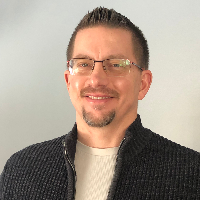



David Ramstad
LMFT
Colorado - 22 yrs exp
















How sex addiction therapy works for Colorado residents
If you are seeking help for compulsive sexual behavior in Colorado, therapy typically begins with an assessment to understand your history, current patterns, and goals. A therapist will ask about how behaviors affect your relationships, work, legal or financial standing, and emotional health. From that initial evaluation you and your clinician develop a treatment plan that often includes goal setting, coping skills, and relapses prevention strategies tailored to your situation. Therapy is not a single method - it is a process that can include individual sessions, couples work when appropriate, and coordination with other supports such as primary care providers or community groups.
Finding specialized help in Colorado
When you look for a specialist in Colorado, consider the therapist’s training and experience with sexual compulsivity or related concerns. Some clinicians have additional certifications or focused training in addiction, trauma-informed care, or sex therapy. You can search by city to find clinicians who practice near you in Denver, Colorado Springs, Aurora, Fort Collins, or Boulder, or choose a clinician who offers remote sessions if you live in a rural area. Many therapists will list their theoretical approach, years of experience, and populations they serve so you can match those details to your needs. It is reasonable to ask about the clinician’s experience with cases like yours and what outcomes they typically help clients achieve.
What to expect from online therapy for sex addiction
Online therapy can be a practical option in Colorado, whether you prefer video or phone sessions. Teletherapy offers flexibility - you can schedule sessions around work or family responsibilities and avoid travel time during heavy traffic in metropolitan areas like Denver and Aurora. In an online session you can expect an initial intake that covers safety planning, a discussion of boundaries, and an agreement on how to handle emergencies and crises. Your therapist will recommend evidence-informed techniques, assign between-session practice, and monitor progress over time. Technology requirements are minimal - a private room, a stable internet connection, and a device with video capability usually suffice. If you live outside major centers such as Colorado Springs or Fort Collins, remote therapy can widen your options by giving you access to clinicians whose expertise might not be available locally.
Common signs someone in Colorado might benefit from sex addiction therapy
You might consider seeking help if sexual thoughts or behaviors are causing frequent distress, interfering with daily life, or leading to repeated relationship problems. Other common signs include unsuccessful attempts to cut back, escalating behavior despite negative consequences, secrecy or lying about activities, and legal or financial troubles related to sexual behavior. For partners, concerns often center on trust, safety, and communication breakdowns. You do not need to wait for severe consequences to reach out - many people find that earlier intervention helps prevent longer-term harm to relationships and well-being.
Practical tips for choosing the right therapist in Colorado
Start by clarifying what matters most to you - whether it is a clinician with specialized training in sex addiction, experience working with couples, familiarity with LGBTQ issues, trauma-informed care, or a clinician who accepts your insurance. If you live in Denver or Aurora you may find more in-person options; if you are in Colorado Springs or Boulder you may prioritize clinicians who blend in-person and online sessions. Read clinician profiles to note approaches such as cognitive behavioral therapy, relapse prevention, or mindfulness-based interventions, and ask about the balance between talk therapy and practical skills work. It helps to contact two or three clinicians for a brief consultation to get a sense of fit - how they listen, how they explain their approach, and whether they outline a clear plan for treatment. Practical details such as session length, fee structure, sliding-scale availability, cancellation policies, and whether they offer evening or weekend appointments can also inform your decision.
Consider cultural fit and accessibility
Your therapeutic relationship matters as much as clinical credentials. Look for a clinician who demonstrates respect for your identity, cultural background, and values. If language or accessibility needs are important to you, ask whether the therapist offers services in your preferred language or has experience working with clients who share your cultural context. For people in rural parts of Colorado, teletherapy may be the most accessible route, but pay attention to whether the clinician is licensed to practice with clients in Colorado and whether they understand state-specific resources and referral options.
Working with partners and families
If your concerns involve a partner, you may choose to pursue couples therapy alongside individual work. Therapists who specialize in sex addiction often help partners rebuild trust, set clear boundaries, and develop communication skills. Sessions that involve partners focus on understanding patterns, addressing hurt, and creating a plan for moving forward. In many Colorado communities you can find clinicians who are experienced in both individual and couples work, which can be helpful if you want integrated care that considers both personal recovery and relationship repair.
Logistics, insurance, and affordability in Colorado
Before beginning therapy, check whether a clinician accepts your insurance, offers a sliding-scale fee, or can provide receipts you can submit for reimbursement. Many therapists in Colorado list their accepted insurance plans and payment options online, and it is appropriate to ask about costs during an initial contact. If you are covered by an employer assistance program, verify how mental health benefits apply to this specialty. For residents in smaller cities or rural counties, teletherapy may broaden your options and sometimes reduce costs by increasing competition among providers.
Next steps
Take your time to review profiles and reach out for brief consultations. Asking preliminary questions about training, typical treatment length, approaches to relapse prevention, and experience with partner work will help you find someone who meets your needs. Whether you live in Denver, Colorado Springs, Aurora, Fort Collins, Boulder, or elsewhere in the state, a good match with a clinician can make a meaningful difference as you work toward healthier patterns and clearer goals. Use the listings above to compare options and connect with a therapist who feels right for you.