Find a Sexual Trauma Therapist in Colorado
This page connects you with therapists in Colorado who specialize in sexual trauma care, offering both in-person and remote options. Browse the listings below to find clinicians serving Denver, Colorado Springs, Aurora, and other Colorado communities.







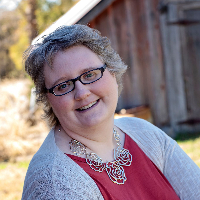
Crystal Gerlock
LCSW
Colorado - 30 yrs exp













How sexual trauma therapy typically works for Colorado residents
If you decide to pursue therapy for sexual trauma in Colorado, the process usually begins with an initial intake session where you and a clinician review your history, current concerns, and goals. From there the therapist will collaborate with you to create a pacing plan that feels manageable - trauma work is often gradual and tailored to your needs. Many clinicians use a combination of trauma-informed approaches, which may include trauma-focused cognitive behavioral methods, somatic interventions that address physical responses to trauma, and therapeutic techniques that emphasize emotional regulation and grounding skills. Group therapy and peer support may also be part of your path if you find it helpful to connect with others who have faced similar experiences.
Finding specialized help in Colorado
Searching for a therapist who specifically lists sexual trauma as a specialty helps you find someone with focused experience. You can search local directories, ask for referrals from primary care providers or community health centers, or contact advocacy organizations in your area for recommendations. Urban centers like Denver, Aurora, and Colorado Springs often have clinics and clinicians with wider specializations and more flexible scheduling. Smaller communities across Colorado may have clinicians who travel between towns or who provide remote sessions to reach clients outside larger city centers. Consider looking for clinicians who mention trauma-focused training, experience with sexual assault survivors, or a commitment to culturally responsive care.
What to expect from online therapy for sexual trauma
Online therapy can make access to specialized sexual trauma care easier, especially if local options are limited where you live. When you begin online sessions you can expect an initial assessment similar to an in-person visit, an agreed-upon plan for frequency of sessions, and a discussion of practicalities such as platform use, fees, and how to handle crises between sessions. Many therapists adapt trauma-focused methods for telehealth by incorporating breathing and grounding practices, guided imagery, and structured cognitive work. You will want to choose a space in your home or elsewhere where you feel comfortable speaking and where interruptions are minimized. If you live in or near Denver, Colorado Springs, Aurora, Fort Collins, or Boulder you may also have the option to combine in-person and online sessions depending on the clinician’s availability.
Common signs that you might benefit from sexual trauma therapy
People seek therapy for many different reasons, and trauma can show up in emotional, physical, and relational ways. You might notice intrusive memories or flashbacks that are distressing, ongoing anxiety or hypervigilance, or persistent avoidance of places or activities that remind you of an event. Sleep disturbances, nightmares, and changes in appetite are common, as are difficulties with concentration or memory. You may experience shifts in mood such as intense shame, guilt, irritability, or numbness. Sexual trauma can also affect intimate relationships - you might find it hard to trust partners, face challenges with intimacy, or notice changes in sexual desire. Some people cope with overwhelming feelings by using alcohol or substances, or by withdrawing from social contact. If any of these experiences are affecting your daily life, work, or relationships, reaching out for specialized therapy can be a constructive step.
Tips for choosing the right sexual trauma therapist in Colorado
Choosing a therapist is a personal decision and you should prioritize fit as much as credentials. Start by looking for clinicians who explicitly state experience with sexual trauma and who describe the therapeutic approaches they use. Consider whether you want someone who offers longer-term processing work or a therapist whose focus is on stabilization and coping strategies. It is reasonable to ask about training in specific modalities such as EMDR, trauma-focused cognitive methods, or somatic therapies, and to ask how they tailor treatment for survivors of sexual violence. Cultural competence is important - seek a clinician who understands how identity, culture, and community shape your experience. Practical considerations also matter: check whether a therapist takes your insurance or offers sliding scale fees, whether they work evenings or weekends if you need flexible scheduling, and whether they provide sessions in person in Denver, Aurora, Colorado Springs, or remotely. Many clinicians offer a brief initial consultation so you can get a sense of whether you feel comfortable with their approach before committing to ongoing work.
Questions you can ask in an initial consultation
During a first call you might ask how the therapist structures sessions, how they approach pacing and safety during trauma work, and what kinds of outcomes they typically focus on. It is appropriate to ask about their experience with sexual trauma survivors and with clients who share aspects of your identity. You can also ask how they coordinate with other providers such as primary care clinicians, reproductive health services, or support organizations when needed. Trust your instincts about how you feel after the consultation - a good fit is often a mix of professional expertise and a personal sense of being heard and respected.
Working with systems and resources in Colorado
If you need additional supports beyond individual therapy, Colorado has a range of community resources that can complement clinical care. Advocacy centers, hospital-based programs, campus health services, and nonprofit organizations often offer crisis response, advocacy, and accompaniment services. These resources can help you understand reporting options if that is something you are considering, as well as provide practical assistance like safety planning and referrals. In metro areas such as Denver and Colorado Springs there may be a wider array of specialized programs, while in more rural regions clinicians sometimes partner with community organizations to expand access. Your therapist can help you identify local supports and make referrals that fit your circumstances.
If you need immediate support
If you are feeling overwhelmed, in danger, or at risk of harming yourself, contact local emergency services right away or reach out to a crisis line. There are also local sexual assault and abuse support organizations throughout Colorado that provide hotlines and on-the-ground assistance. If you are seeking urgent emotional support but are not in immediate danger, your therapist or a local health center can often help connect you to same-day resources or crisis intervention services.
Moving forward - making therapy work for you
Therapy for sexual trauma is a highly personal journey and it proceeds at the pace you set with your clinician. Small steps can lead to meaningful change - learning grounding techniques that help in triggering moments, building strategies to manage anxiety, and gradually processing memories in ways that you choose. Over time many people find improvements in daily functioning, relationships, and their sense of agency. Whether you prefer an in-person clinician near Denver or Aurora, or the convenience of telehealth from a quieter Colorado community, the most important factor is finding a therapist who listens, respects your goals, and helps you develop tools that fit your life. Use the listings on this page to explore clinicians with experience in sexual trauma and to arrange initial conversations that help you find the right fit for the next step in your recovery.