Find an Addictions Therapist in Connecticut
This page connects you with therapists who focus on addictions and related concerns for people living in Connecticut. You can browse practitioner profiles below to compare specialties, treatment approaches, and appointment options across the state.







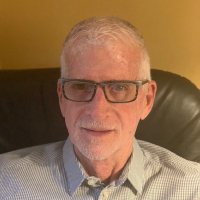
Stephen Witte
LCSW
Connecticut - 48 yrs exp
















How addictions therapy typically works in Connecticut
If you decide to pursue addictions therapy in Connecticut, the process usually starts with an assessment. During an initial session a clinician will ask about your history with substances or behaviors, your current challenges, and any related mental health or medical concerns. That information helps shape a treatment plan that fits your needs - plans often combine individual therapy, skill-building, relapse prevention strategies, and referrals to other community resources when appropriate.
Your therapist may draw on established approaches such as cognitive behavioral techniques, motivational interviewing, and family-centered work. Those approaches are used to help you understand patterns, build coping skills, and set realistic goals. Therapy can be short-term and problem-focused or longer-term if there are co-occurring mental health needs to address. Many Connecticut clinicians coordinate care with primary care providers, psychiatrists, or community programs so that your plan aligns with any medical or pharmacological supports you may need.
Finding specialized help for addictions in Connecticut
When you search for a specialist, look beyond general counseling labels to identify clinicians who list addictions, substance use, or behavioral addictions as an area of focus. Many therapists in cities like Bridgeport, New Haven, Hartford, and Stamford maintain specific training or certifications in addiction counseling and may also have experience with populations such as adolescents, older adults, veterans, or people managing co-occurring mental health conditions. Consider whether you prefer a clinician who emphasizes evidence-based therapies, offers family involvement, or works with harm reduction or abstinence-based models.
Connecticut has a mix of urban and suburban providers as well as community behavioral health centers. If you live outside major metropolitan areas, you may find more options through telehealth, evening hours, or clinicians who travel between satellite offices. You can also use the listings below to identify therapists who mention experience with particular substances, dual diagnosis expertise, or specialized programs such as relapse prevention or aftercare planning.
What to expect from online therapy for addictions
Online therapy is a widely used option for addictions treatment and can be particularly useful in Connecticut when commuting to an appointment is difficult or when you need more flexible scheduling. In an online session you can expect many of the same therapeutic elements as in-person care - assessment, collaborative goal setting, skill-building exercises, and weekly or biweekly check-ins. Some therapists combine online sessions with occasional in-person meetings or referrals for groups and medical services in your area.
When choosing an online provider, verify that the clinician is licensed to practice in Connecticut if you plan to live and receive care here. Ask how they handle technology, what platforms they use for video, and what to do in the event of an emergency during an online session. Understand that certain services such as medically supervised detox or intensive outpatient programming will require in-person visits or coordination with local medical facilities. Online therapy can be a practical first step and an ongoing support when paired with the right local resources.
Common signs that someone in Connecticut might benefit from addictions therapy
You might consider seeking an addictions specialist if you notice persistent patterns that interfere with your life. Changes in work or school performance, frequent conflicts with friends or family, difficulty controlling use despite negative consequences, or using as a primary way to manage stress or emotions are signals that help may be useful. You may also find that attempts to cut down are followed by relapse or that cravings and withdrawal effects make it hard to stop on your own.
Other signs include escalating tolerance, spending a lot of time obtaining or recovering from use, legal or financial problems tied to substance-related behavior, or worsening mental health symptoms like anxiety or depression. If these patterns are affecting your safety, relationships, or daily functioning, connecting with a therapist who specializes in addictions can help you explore options and build a plan tailored to your circumstances.
Tips for choosing the right addictions therapist in Connecticut
Start by clarifying what you want from treatment - short-term stabilization, long-term recovery support, family involvement, or help coordinating medical care. Use the directory listings to compare clinicians by approach, credentials, and areas of focus. It is reasonable to ask about a therapist's experience with specific substances or behaviors, their approach to relapse, and whether they work collaboratively with prescribers when medication-assisted treatment may be beneficial.
Practical considerations matter as well. Check whether the therapist offers in-person appointments in cities like Hartford, New Haven, Bridgeport, or Stamford, whether they provide evening or weekend times, and whether they accept your insurance or offer sliding scale fees. If you rely on online sessions, ask about how they manage technology, what their policies are for cancellations or emergencies, and how they track progress toward goals.
Trust and rapport are essential in this work. You may want to schedule an initial consultation with more than one clinician to find someone whose communication style and treatment philosophy feel like a good match. A strong therapeutic relationship can make treatment more effective and help you stay committed when challenges arise.
Working with family and community supports
Addictions often affect more than the individual, so many therapists incorporate family sessions, education, or community referrals into treatment plans. If you are in a relationship or have caregiving responsibilities, discuss how your therapist involves loved ones and what boundaries will be set for those sessions. Connecticut offers a range of community programs and support groups that can complement individual therapy, and a knowledgeable clinician will be able to point you toward local resources in your city or region.
When to seek immediate help
If you are facing withdrawal symptoms, thoughts of harming yourself, or any situation that feels like an immediate crisis, contact local emergency services right away. For situations that are urgent but not immediate emergencies, many clinicians can provide rapid consultation or refer you to nearby medical services and crisis teams. If you are unsure whether you need urgent care, a brief intake call with a therapist can help clarify next steps and ensure you receive the appropriate level of support.
Moving forward with confidence
Searching for the right addictions therapist in Connecticut can feel overwhelming, but taking it step by step makes the process manageable. Use the directory to filter by location and specialty, read clinician profiles to learn about their methods and populations served, and reach out for initial conversations. You do not have to navigate recovery alone - finding a therapist who understands your needs and the local resources available in places like Bridgeport, New Haven, Hartford, or Stamford can be a pivotal first step toward change.
When you are ready, explore the listings below to compare therapists, request an appointment, and start building a treatment plan that fits your life and goals. Therapy is a collaborative effort, and the right match can help you develop the skills and supports needed for healthier days ahead.